
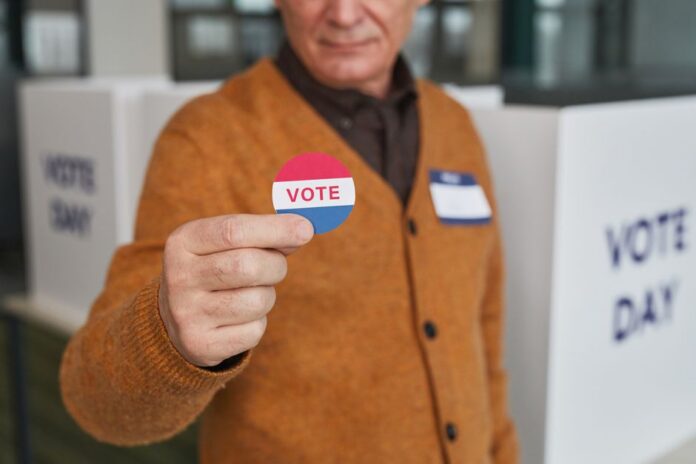
Photo: Edmond Dantès / Pexels
By The News Beacon Newsroom, Politics Desk — Published November 8, 2026
Table of Contents
- Key Takeaways
- The Background & Context
- Why This Matters
- Reactions & Analysis
- What Happens Next
- Frequently Asked Questions
Something unexpected happened in the midterm elections. White working class voters—a demographic long considered a Republican stronghold—began moving toward Democratic candidates in numbers that surprised political analysts and campaign strategists alike. The shift, while not uniform across all regions, marked a notable departure from recent electoral patterns and raised fundamental questions about the evolving political landscape in America.
The movement wasn’t massive, but it was measurable. In key congressional races and state-level contests, working-class white voters who had previously supported conservative candidates found themselves reconsidering their allegiances. Their reasons varied, but a common thread emerged: economic anxiety, frustration with legislative inaction, and a growing sense that certain political rhetoric comes with a price tag.
This electoral shift carries profound implications for both major parties as they position themselves for future campaigns. Understanding why these voters changed course offers a window into the pressures facing American families and the issues that truly drive decisions at the ballot box.
Key Takeaways
- White working-class voters demonstrated a measurable shift toward Democratic candidates in midterm elections, breaking from recent voting patterns.
- Economic concerns emerged as a primary driver, with voters expressing frustration over the tangible costs of divisive political rhetoric and policy priorities.
- The shift was not uniform across all regions but was significant enough to influence outcomes in competitive congressional races.
- Political analysts identified this movement as part of broader electoral trends that could reshape campaign strategies heading into future election cycles.
- Both parties now face pressure to address the economic realities and legislative priorities of working-class Americans more directly.
- The change suggests that political loyalty among this demographic may be more fluid than previously assumed, particularly when economic pressures intensify.
The Background & Context
For much of the past decade, white working-class voters formed a cornerstone of the Republican coalition. These voters—typically defined as white Americans without college degrees—had increasingly aligned with conservative candidates, particularly in presidential elections. The 2016 election cemented this relationship, with overwhelming support from this demographic proving decisive in key swing states.
The political calculus seemed straightforward. Cultural issues, immigration policy, and promises of economic revitalization resonated powerfully with voters who felt left behind by globalization and economic transformation. Campaign messaging focused heavily on these themes, often employing divisive rhetoric about immigration, trade, and national identity.
But midterm elections tell a different story than presidential contests. They function as referendums on governance, on legislative accomplishments, and on whether campaign promises translate into tangible improvements in voters’ lives. Without the outsized personalities and national spectacle of presidential races, midterms force voters to evaluate what has actually changed since the last time they cast a ballot.
The economic landscape facing working-class families has grown increasingly challenging. Inflation affects grocery bills and gas prices. Healthcare costs continue rising. Wages, while growing in some sectors, struggle to keep pace with the cost of living. These kitchen-table issues don’t respect partisan boundaries—they affect families regardless of their voter registration.
According to reports from election night analysis, the shift among white working-class voters represented one of several notable takeaways from the midterm results. The movement wasn’t isolated to a single issue or region but appeared across multiple competitive races where economic messaging proved particularly salient.
Why This Matters
The electoral shift among white working-class voters carries significance far beyond vote tallies and congressional seat counts. It reveals something fundamental about American democracy: voter loyalty is earned through results, not rhetoric alone.
For working families, politics isn’t abstract. Legislation affects their paychecks, their healthcare premiums, their children’s schools, and their ability to plan for the future. When political leaders prioritize divisive cultural battles over addressing these concrete concerns, voters notice. They notice when campaign promises about economic prosperity don’t materialize. They notice when rhetoric that once seemed appealing starts feeling expensive.
As noted by observers analyzing voter behavior, some who had previously supported candidates emphasizing immigration restriction and cultural grievance began recognizing the economic costs of such priorities. Divisive rhetoric and xenophobia, while politically potent in certain contexts, don’t lower grocery prices or reduce healthcare costs. When voters make this connection, political calculations change.
The shift also matters because it challenges assumptions both parties have made about the electorate. Republicans cannot take working-class white support for granted, particularly when economic conditions deteriorate. Democrats, meanwhile, face the challenge of crafting messages that resonate with these voters without alienating other parts of their coalition.
For Congress, the implications are clear. Legislators who want to maintain support among working-class constituents must deliver tangible economic results. Infrastructure investment, job creation, healthcare affordability, and wage growth aren’t just talking points—they’re the metrics by which voters evaluate their representatives’ performance.
Reactions & Analysis
Political strategists from both parties have begun dissecting the midterm results, searching for lessons that might inform future campaign approaches. The movement among white working-class voters has prompted particularly intense scrutiny.
Democratic campaign operatives see opportunity. If economic messaging can peel away even a portion of voters who previously supported Republican candidates, it could prove decisive in closely contested races. The challenge lies in maintaining credibility on economic issues while advancing a broader legislative agenda that includes other priorities.
Republican strategists face a different calculation. The party has invested heavily in cultural messaging and immigration politics, betting that these issues would continue driving working-class support. The midterm results suggest that bet may have limits, particularly when economic anxieties intensify.
According to analysis of election night outcomes, the shift formed part of a broader pattern of voters reassessing their political allegiances based on practical concerns rather than cultural affinity alone. This pragmatic approach to voting—focused on results rather than identity—presents both opportunities and challenges for candidates seeking to build durable coalitions.
Political observers have noted that the movement wasn’t necessarily an embrace of progressive ideology. Rather, it reflected frustration with the status quo and a willingness to try different approaches when current strategies aren’t delivering results. This suggests the shift could prove temporary if Democrats fail to address the economic concerns that motivated it.
What Happens Next
The immediate question facing both parties is how to respond to this electoral movement. Will Republicans recalibrate their messaging to place greater emphasis on economic issues? Will Democrats capitalize on the opening by advancing legislation that directly addresses working-class concerns?
The answer will likely shape the next election cycle. Voters who shifted left in the midterms aren’t necessarily committed Democrats—they’re persuadable citizens looking for leaders who will improve their economic circumstances. Whichever party demonstrates the ability to deliver on kitchen-table issues stands to benefit.
Congress faces pressure to move beyond partisan gridlock and pass legislation with tangible benefits for working families. Infrastructure projects that create jobs. Healthcare reforms that reduce costs. Tax policies that put money back in workers’ pockets. These aren’t revolutionary proposals, but they’re the kind of practical achievements that build political support.
Campaign strategists are already adjusting their approaches for future races. Expect to see more candidates from both parties emphasizing economic credentials and downplaying divisive cultural rhetoric. The midterm results demonstrated that while cultural issues mobilize certain voters, economic concerns ultimately drive decisions for a crucial swing demographic.
The shift also raises questions about long-term political realignment. Are we witnessing a temporary fluctuation or the beginning of a more fundamental change in how working-class Americans align themselves politically? The answer depends largely on what happens next—on whether elected officials deliver results or revert to the partisan battles that have characterized recent years.
Frequently Asked Questions
What defines “white working-class voters” in political analysis?
Political analysts typically define white working-class voters as white Americans without four-year college degrees. This demographic has historically been significant in determining election outcomes, particularly in Midwestern and Rust Belt states. The group includes workers across various industries, from manufacturing and construction to service sectors, and represents a substantial portion of the American electorate.
How significant was the shift in the midterm elections?
While the shift wasn’t uniform across all regions, it was measurable enough to influence outcomes in competitive congressional races. Political analysts identified the movement as one of several key takeaways from election night, suggesting it represented a meaningful departure from recent voting patterns rather than statistical noise. The exact magnitude varied by district and state, but the trend was consistent enough to warrant serious attention from both parties.
What specific economic concerns drove the shift?
Voters cited a range of economic pressures, including inflation, healthcare costs, wage stagnation, and the general cost of living. Many expressed frustration that political rhetoric and divisive policy priorities weren’t translating into tangible improvements in their daily lives. The recognition that certain political approaches come with economic costs—without delivering corresponding benefits—appears to have motivated reconsideration of previous voting patterns.
Does this shift mean these voters have become Democrats?
Not necessarily. The movement appears to reflect pragmatic decision-making rather than ideological conversion. These voters are looking for leaders who will address their economic concerns, regardless of party affiliation. If Democrats fail to deliver results or if Republicans adjust their messaging and policy priorities, the shift could easily reverse. Political loyalty among this demographic appears increasingly contingent on performance rather than partisan identity.
The midterm elections revealed that American voters—even those in demographics considered reliably partisan—remain open to persuasion when their economic circumstances demand it. For working-class families struggling with rising costs and stagnant wages, political allegiance takes a backseat to practical results. The party that recognizes this reality and acts accordingly will shape the political landscape for years to come.


