
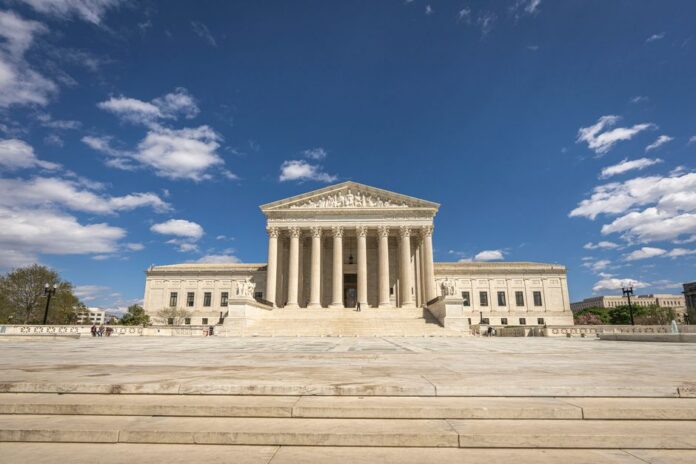
Photo: Mark Stebnicki / Pexels
By The News Beacon Newsroom, National Desk — Published September 21, 2026
Table of Contents
- Key Takeaways
- The Background & Context
- Why This Matters
- Reactions & Analysis
- What Happens Next
- Frequently Asked Questions
The Trump administration is asking the nation’s highest court to weigh in on a controversial decision affecting billions of dollars in federal research grants to University of California institutions. The petition comes after lower courts blocked the administration’s attempt to terminate funding based on diversity, equity, and inclusion program criteria.
At stake is not just money for California’s premier public university system. The case touches fundamental questions about executive power, federal spending authority, and the government’s ability to enforce policy preferences through the purse strings. For millions of students, faculty, and researchers, the outcome could reshape how universities operate and what programs they can offer.
The legal battle erupted after the federal government used keyword searches to identify and cancel grants to California universities that appeared connected to diversity initiatives. According to reports, the administration’s review process flagged billions in funding by scanning for terms associated with DEI programs, leading to abrupt terminations that sent shockwaves through the academic community.
Key Takeaways
- The Trump administration petitions the Supreme Court to overturn lower court rulings that blocked the termination of University of California federal grants.
- Federal officials used keyword searches to identify and cancel billions of dollars in grants to California universities based on diversity, equity, and inclusion program associations.
- Lower courts have so far sided with the universities, finding the administration’s actions potentially violated established procedures and contractual obligations.
- The case represents one of numerous legal challenges tracking through federal courts against Trump administration policies and actions.
- The dispute raises critical questions about executive authority over federal spending and the autonomy of public universities.
- Researchers and students face uncertainty as major funding streams hang in the balance pending Supreme Court review.
The Background & Context
Federal research grants form the lifeblood of major public universities. The University of California system, encompassing ten campuses and numerous research facilities, receives billions annually to fund everything from cancer research to climate science. These grants support not just the work itself but thousands of jobs, student scholarships, and infrastructure investments that ripple through local economies.
The current administration has made rolling back diversity programs a signature priority. Executive orders and policy directives have targeted DEI initiatives across federal agencies and institutions receiving federal dollars. The rationale, according to administration officials, centers on concerns that such programs constitute unlawful discrimination or waste taxpayer resources on ideological projects rather than merit-based work.
California universities found themselves in the crosshairs when federal reviewers began systematically searching grant databases for keywords. The process identified active grants and pending awards that contained language or program descriptions associated with diversity efforts. Termination notices followed swiftly, often without detailed explanations or opportunities for universities to respond.
University administrators scrambled to understand the scope. Some grants had nothing to do with diversity programs but used flagged terminology in different contexts. Others supported research into health disparities or educational access, work that inherently involves studying diverse populations. The keyword approach cast a wide net, catching projects that researchers and university leaders insisted had been mischaracterized.
Legal challenges materialized quickly. University of California officials, joined by faculty members and advocacy groups, filed suit arguing the terminations violated administrative law, breached contracts, and exceeded executive authority. They pointed to established procedures for grant review and termination that the administration allegedly bypassed. Federal judges in lower courts issued preliminary injunctions, temporarily blocking the funding cuts while litigation proceeded.
Why This Matters
For American taxpayers and citizens, this dispute carries implications far beyond one university system or one policy disagreement. It tests how much unilateral authority a president and federal agencies possess to redirect or terminate spending that Congress has already authorized. When lawmakers appropriate funds for scientific research or education, can the executive branch later decide those dollars should not flow based on policy preferences?
The case also affects thousands of researchers whose careers depend on grant funding. A cancer researcher might spend years developing expertise and building a lab around a particular project. Sudden termination can scatter teams, waste investments in equipment, and derail promising work. Graduate students lose funding for their studies. Postdoctoral fellows find themselves without positions. The human cost extends well beyond abstract legal principles.
Communities surrounding major research universities feel economic impacts too. Federal grants create jobs for technicians, administrators, and support staff. They fund construction projects and purchase equipment from vendors. When billions in funding disappear, the ripple effects touch local businesses and tax bases. California’s economy, heavily intertwined with its university system, faces particular vulnerability.
The diversity program dimension adds another layer of public interest. Americans hold sharply divided views on DEI initiatives. Supporters see them as necessary tools for addressing historical inequities and ensuring equal opportunity. Critics argue they constitute reverse discrimination and impose ideological conformity. How courts resolve this case may influence how universities, corporations, and other institutions approach diversity efforts going forward.
Constitutional questions loom large as well. Universities prize academic freedom and institutional autonomy. When government funding comes with strings attached, where is the line between legitimate oversight and improper interference? Can federal officials dictate what topics researchers study or what programs universities offer? The Supreme Court’s eventual decision could establish precedents affecting higher education for generations.
Reactions & Analysis
The petition to the Supreme Court represents the administration’s determination to prevail despite setbacks in lower courts. By seeking review from the nation’s highest tribunal, federal lawyers signal they believe fundamental legal principles support their position and that lower court judges erred in blocking the grant terminations.
Legal observers tracking the case note it joins a growing list of challenges to Trump administration actions. From immigration policies to environmental regulations, federal courts have become key battlegrounds for policy disputes. The litigation tracker maintained by legal analysts shows dozens of active cases testing the boundaries of executive authority across multiple domains.
University officials have expressed alarm at what they characterize as arbitrary and damaging interference. While specific public statements vary, the underlying message remains consistent: established processes exist for reviewing grants, and bypassing them creates chaos and uncertainty. Researchers need stability to do their work effectively. Abrupt funding terminations, particularly those based on automated keyword searches rather than substantive review, undermine the scientific enterprise.
Civil liberties organizations have weighed in as well, arguing the administration’s approach threatens academic freedom. They contend that using federal funding as a cudgel to enforce ideological preferences crosses constitutional lines. Universities must remain spaces where difficult questions can be explored and diverse viewpoints examined without fear of financial retaliation.
Meanwhile, supporters of the administration’s position argue that taxpayers should not fund programs they view as divisive or discriminatory. If diversity initiatives constitute unlawful preferences based on race or other protected characteristics, the government has not just the authority but the obligation to stop funding them. They see the grant terminations as appropriate enforcement of civil rights laws and executive orders.
What Happens Next
The Supreme Court now faces a decision about whether to accept the case for review. The justices receive thousands of petitions annually and grant only a small fraction. They typically take cases that present important legal questions, conflicts between lower courts, or issues of national significance. This petition arguably checks all those boxes.
If the Court agrees to hear the case, oral arguments would likely occur months from now, with a decision potentially coming in the following term. That timeline means uncertainty continues for universities, researchers, and students. Grants remain in limbo. Planning becomes difficult when billions in funding could vanish depending on how nine justices rule.
Should the Court decline to review the case, lower court rulings blocking the terminations would stand, at least temporarily. The administration would need to either comply with those orders or pursue the litigation through normal appellate channels. Either path extends the timeline and leaves the ultimate resolution unclear.
Regardless of this specific case’s outcome, the broader policy conflict over diversity programs will persist. Universities, corporations, and government agencies all grapple with how to approach DEI initiatives in a polarized environment. Legal challenges proliferate. Different courts reach different conclusions. Eventually, the Supreme Court will likely need to provide clearer guidance on what programs pass constitutional and statutory muster.
For now, the petition sets up a potential showdown over executive power, federal spending, and the culture wars playing out across American institutions. The stakes are high. The precedents established will echo for years. And millions of people connected to research universities watch anxiously to see whether their funding, their jobs, and their work will survive the legal battle.
Frequently Asked Questions
What exactly did the Trump administration do to UC grants?
Federal officials conducted keyword searches of grant databases to identify funding associated with diversity, equity, and inclusion programs. Grants flagged by these searches received termination notices, affecting billions of dollars in research funding to University of California institutions. The process relied on automated scanning for specific terminology rather than individualized review of each grant’s actual content and purpose.
Why did lower courts block the grant terminations?
Federal judges found that the administration’s actions potentially violated established administrative procedures and contractual obligations. Courts issued preliminary injunctions after determining that universities would suffer irreparable harm from sudden funding cuts and that the termination process may have bypassed required legal steps. The rulings temporarily preserved funding while litigation continues through the court system.
How much money is at stake in this dispute?
Reports indicate billions of dollars in federal grants to California universities were flagged for cancellation based on the keyword search process. The exact total remains unclear as different grants were affected at various stages of review and implementation. The financial impact extends beyond the immediate dollar amounts to include lost research opportunities, disrupted careers, and broader economic effects on communities surrounding major research institutions.
What happens if the Supreme Court takes the case?
If the justices agree to review the petition, the case would proceed to full briefing and oral arguments, likely extending the timeline by many months. The Court’s eventual ruling could establish important precedents about executive authority over federal spending, university autonomy, and the permissibility of diversity programs. Until a final decision, uncertainty continues for affected researchers, students, and institutions dependent on federal grant funding.
The petition now sits with the Supreme Court, waiting for the justices to decide whether this dispute merits their attention. Whatever they choose, the underlying tensions about government power, academic freedom, and diversity programs will continue shaping American institutions and politics. For those whose livelihoods depend on university research, the wait is anxious and the stakes could not be higher.


