
Photo: Guohua Song / Pexels
By The News Beacon Newsroom, National Desk — Published September 4, 2026
Table of Contents
- Key Takeaways
- Supreme Court Lets Construction Proceed: The Legal Framework
- Why This Matters
- Reactions & Analysis
- What Happens Next
- Frequently Asked Questions
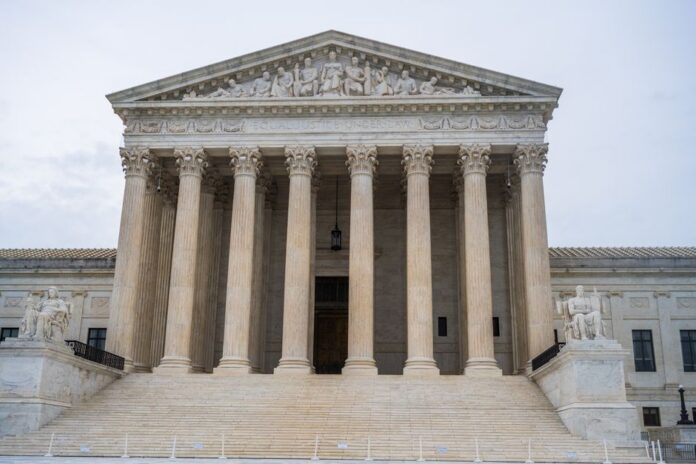
The Supreme Court has cleared the way for the Trump administration to proceed with construction of a controversial White House ballroom, at least temporarily. The decision allows work to continue while legal challenges wind through the federal court system, marking another chapter in ongoing disputes over executive power and presidential authority to modify America’s most iconic residence.
According to multiple reports, the nation’s highest court granted the administration’s request to lift a lower court order that had halted construction. The move comes amid a lawsuit challenging the project, though the Supreme Court’s action does not address the underlying legal merits. Instead, it simply permits construction to move forward during the appeals process.
The ballroom project has sparked debate over presidential prerogatives, historic preservation, and the appropriate use of taxpayer resources. While administrations routinely make modifications to the White House complex, this particular expansion has drawn scrutiny from preservation advocates and congressional oversight committees alike.
Key Takeaways
- The Supreme Court has allowed the Trump administration to continue White House ballroom construction while legal challenges proceed through the court system.
- The decision lifts a previous court order that had temporarily halted the construction project.
- Multiple news organizations report the Supreme Court action came in response to a request from the Trump administration.
- The ruling does not settle the underlying lawsuit but permits work to proceed during the appeals process.
- The ballroom construction has become a focal point for debates about executive authority and historic preservation at the White House.
- The case represents the latest intersection of the Trump administration’s agenda with the federal court system.
Supreme Court Lets Construction Proceed: The Legal Framework
The Supreme Court’s intervention represents a procedural victory for the administration rather than a final determination on the ballroom’s legality. When lower courts issue injunctions halting government projects, the Supreme Court can grant what lawyers call a “stay” of that order, allowing challenged activities to continue while appeals are heard.
This particular stay means construction crews can keep working. The underlying lawsuit challenging the ballroom project remains active in lower courts. Eventually, judges will have to decide whether the administration followed proper procedures, obtained necessary approvals, and complied with federal laws governing modifications to historic federal properties.
The White House complex occupies a unique position in American law and culture. It serves simultaneously as the president’s residence, the executive branch’s nerve center, and a national historic landmark. Any significant construction requires navigating multiple layers of regulation, from historic preservation statutes to congressional appropriations rules.
Presidential administrations have long made changes to the White House grounds and buildings. Some modifications prove controversial, others routine. This ballroom project falls into the former category, drawing attention from watchdog groups concerned about transparency, cost, and proper legal authorization.
Why This Matters
For American taxpayers, the ballroom controversy raises fundamental questions about how their money gets spent and who decides. Federal construction projects require authorization and funding. Citizens deserve to know whether proper channels were followed, what the project will cost, and whether it serves legitimate governmental purposes or personal preferences.
The case also tests the boundaries of executive power. Presidents enjoy considerable discretion over White House operations, but that authority isn’t unlimited. Courts must sometimes referee disputes about whether an administration exceeded its legal authority, even in matters as seemingly straightforward as building construction.
Historic preservation advocates worry about the precedent. The White House belongs to the nation, not to any individual president. Significant alterations to its structure and grounds affect the building’s historical integrity and its role as a symbol of American democracy. Allowing construction to proceed while legal questions remain unresolved could create facts on the ground that later court rulings cannot easily reverse.
The Supreme Court’s willingness to intervene also signals something about the justices’ assessment of the administration’s likelihood of success. While granting a stay doesn’t guarantee ultimate victory, courts typically require a showing that the applicant has reasonable prospects of prevailing on appeal. The decision suggests the justices believe the administration’s legal arguments have merit, or at least that the balance of harms favors allowing construction rather than maintaining the injunction.
Reactions & Analysis
The Supreme Court’s order has generated responses across the political spectrum, though detailed public statements remain limited given the procedural nature of the ruling. Legal experts note that stays pending appeal are relatively common in cases involving government construction projects, where delays can prove costly and difficult to remedy later.
Congressional oversight committees have previously expressed interest in the ballroom project, requesting documents and explanations about its authorization and funding. Some lawmakers view White House construction as falling within the executive branch’s legitimate operational needs. Others question whether proper appropriations processes were followed and whether the project represents an appropriate use of federal resources.
Preservation organizations have voiced concerns about the ballroom’s impact on the White House’s historic character. They argue that significant architectural changes should undergo thorough review processes, including public input and expert assessment. Allowing construction to proceed during litigation, they contend, undermines these protective procedures.
The administration has defended the ballroom as necessary for official functions and diplomatic events. White House entertaining plays a role in American diplomacy and political tradition. Supporters argue that presidents need adequate facilities to host foreign dignitaries, conduct state dinners, and fulfill ceremonial obligations.
What Happens Next
Construction can now proceed while the lawsuit moves through lower courts. That process could take months or even years, depending on the complexity of legal arguments and the courts’ schedules. The Supreme Court’s stay remains in effect unless and until the justices revisit the issue or lower courts resolve the underlying case.
If challengers ultimately prevail in their lawsuit, courts will face difficult questions about remedies. Can a completed or partially completed ballroom be torn down? Would taxpayers be entitled to recovery of construction costs? These scenarios illustrate why preliminary injunctions exist—to prevent irreversible changes while legal disputes get sorted out.
The case may also influence future disputes about presidential authority over White House modifications. Whatever precedents emerge from this litigation will guide subsequent administrations and inform congressional oversight of executive branch construction projects.
Beyond the specific ballroom controversy, the case reflects broader tensions in American governance. How much deference do courts owe to presidential decisions about executive branch operations? What role should Congress play in authorizing and funding White House modifications? How do preservation laws apply to buildings that remain in active governmental use?
These questions extend beyond any single administration or project. They touch on fundamental issues of separation of powers, fiscal accountability, and the balance between operational flexibility and legal constraint. The ballroom lawsuit, seemingly narrow in scope, actually implicates some of the most important structural questions in American constitutional law.
Frequently Asked Questions
What exactly did the Supreme Court decide?
The Supreme Court granted the Trump administration’s request to lift a lower court order that had halted White House ballroom construction. This procedural ruling allows work to continue while the underlying lawsuit proceeds through the federal court system. The decision does not resolve the legal merits of the case but simply permits construction during the appeals process.
Why is the ballroom construction controversial?
The project has drawn scrutiny on multiple grounds, including questions about proper legal authorization, compliance with historic preservation laws, appropriate use of taxpayer funds, and the process for approving significant modifications to the White House complex. Critics argue that major architectural changes to such an important national landmark should undergo thorough review and public input.
Can the ballroom be removed if courts eventually rule against the administration?
That remains an open question. If challengers ultimately prevail in their lawsuit, courts will have to determine appropriate remedies, which could theoretically include requiring removal of the structure. However, practical and financial considerations often make it difficult to reverse completed construction, which is precisely why challengers sought to halt work during litigation.
How does this case affect future presidents?
The legal precedents established through this litigation will likely influence how future administrations approach White House modifications and how courts review such projects. The case may clarify the scope of presidential authority over the White House complex, the applicability of historic preservation laws, and the procedures required for major construction projects at the executive mansion.
As construction equipment returns to the White House grounds, the legal battle continues in courtrooms across the country. The ballroom dispute may seem like an architectural footnote, but it raises questions about power, accountability, and national heritage that will resonate long after the last brick is laid.


