
Federal seismologists have increased the probability of a massive earthquake striking California within the next three decades, citing a troubling buildup of seismic stress along the state’s major fault lines that has reached levels not seen in a millennium.
Rising Odds Across Major Fault Systems
The US Geological Survey now places the likelihood of a magnitude 6.7 or greater earthquake hitting California at 2.1 percent higher than forecasts from a decade ago. The San Andreas Fault specifically shows a 25.5 percent probability of major rupture within 30 years, representing a 3.6 percent increase from 2016 projections. The Bay Area’s Hayward-Rodgers Creek fault system carries a 34.3 percent rupture probability, up 1.2 percent from previous estimates.
These calculations stem from the third Uniform California Earthquake Rupture Forecast, a comprehensive California model that evaluates earthquake locations and magnitudes. No major seismic events have occurred during the past decade, allowing dangerous tension to accumulate steadily within the state’s fault networks, scientists explained.
Tectonic Stress Reaches Thousand-Year Highs
Researchers express particular concern about Southern California, where tectonic plate stress along the San Andreas and San Jacinto fault systems has climbed to its highest point in 1,000 years. USGS seismologist Ned Field described the situation plainly, telling reporters that conditions appear locked and loaded, making preparedness essential for California residents.
The Cajon Pass has emerged as a critical focal point. Scientists identify this geographic feature as a potential earthquake gate that could either contain a major rupture or allow it to cascade through multiple fault systems, dramatically amplifying the disaster’s scope. Ken Hudnut, who developed seismic resiliency initiatives for the USGS, singled out Cajon Pass as a source of serious concern.
Devastating Precedent and Future Risks
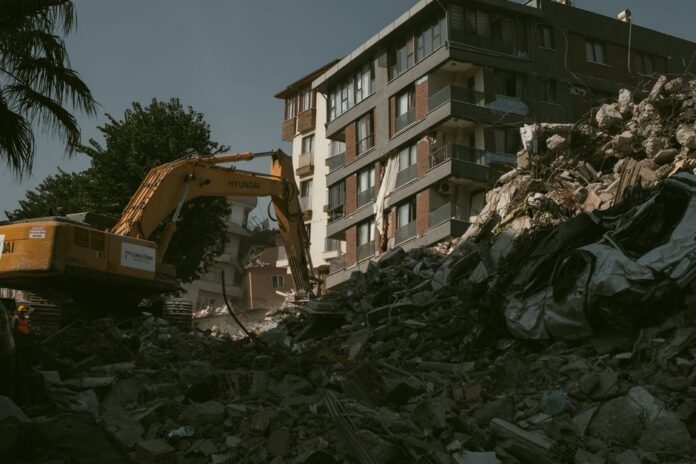
California’s 1994 Northridge earthquake demonstrated the catastrophic potential of a magnitude 6.7 event. That disaster killed dozens, injured thousands, collapsed buildings, and caused billions in property damage across the Los Angeles region. A future earthquake could prove equally destructive, particularly if ruptures spread through Cajon Pass, threatening transmission towers, communication infrastructure, and transportation networks vital to supply chains serving millions of Californians.
Former USGS seismologist Lucy Jones framed the situation clearly: a major California earthquake remains inevitable, with only the timing remaining unknown. Government officials urge residents to prepare emergency supplies and develop family disaster plans.


