
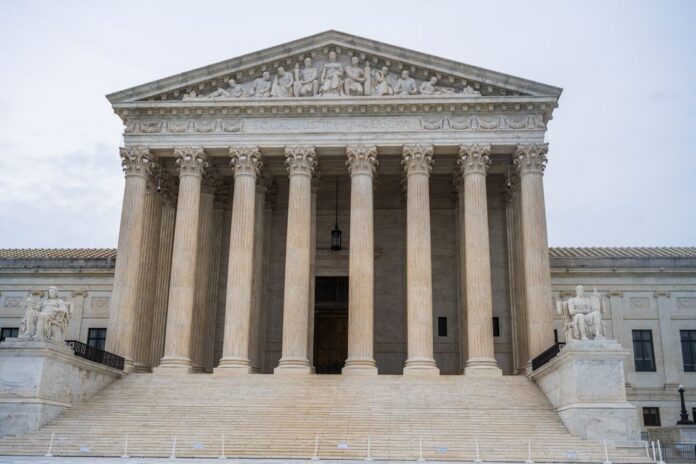
Photo: Guohua Song / Pexels
By The News Beacon Newsroom, National Desk — Published October 30, 2026
Table of Contents
- Key Takeaways
- The Background & Context of the Former Federal Employee’s Fraud
- Why This Matters to American Taxpayers
- Reactions & Analysis from Officials and Experts
- What Happens Next in the Legal Process
- Frequently Asked Questions
A former federal employee has admitted to orchestrating one of the most brazen fraud schemes against the U.S. government in recent memory, pleading guilty to charges stemming from approximately $194 million in stolen taxpayer funds. The case, which involves a former CIA officer, has sent shockwaves through the national security community and raised urgent questions about oversight and accountability within federal agencies.
According to reports from the Department of Justice, the guilty plea marks a significant development in a case that exposed serious vulnerabilities in government financial controls. The scheme allegedly involved the acquisition of luxury assets including gold bars, Rolex watches, and multiple Florida mansions—a lavish spending spree funded by American taxpayers.
The magnitude of the fraud and the defendant’s former position within the intelligence community have elevated this case to national prominence. It underscores persistent challenges in preventing insider threats and financial misconduct within the federal government, even among those entrusted with the nation’s most sensitive operations.
Key Takeaways
- A former CIA officer has pleaded guilty to defrauding the federal government of approximately $194 million in what represents one of the largest fraud cases involving a federal employee in recent years.
- The stolen funds were allegedly used to purchase extravagant luxury items, including gold bars, high-end Rolex watches, and multiple mansion properties in Florida.
- The case has been prosecuted by the Department of Justice, highlighting the government’s efforts to hold federal employees accountable for financial crimes against taxpayers.
- The guilty plea raises serious questions about internal controls and oversight mechanisms designed to prevent fraud within intelligence agencies and other federal departments.
- The case serves as a stark reminder of the potential for insider threats within government institutions, particularly among employees with access to significant financial resources or systems.
- Sentencing details and the full scope of restitution requirements remain to be determined as the legal proceedings continue.
The Background & Context of the Former Federal Employee’s Fraud
The case represents a troubling breach of public trust at the highest levels of government service. Federal employees, particularly those working within intelligence agencies like the CIA, undergo extensive background checks and security clearances. They are entrusted with protecting national interests and managing sensitive operations. When someone in such a position exploits that trust for personal gain, the betrayal cuts deep.
The $194 million figure places this case among the most significant fraud schemes perpetrated by individual federal employees in U.S. history. To put this in perspective, the amount stolen could fund entire small-town budgets for years or provide critical services to thousands of Americans. Instead, it allegedly lined the pockets of someone sworn to serve the public interest.
The acquisition of gold bars and Rolex watches suggests a deliberate effort to convert stolen funds into portable, high-value assets that could potentially be hidden or liquidated. Gold has long been favored by those seeking to conceal wealth, as it holds value across borders and can be difficult to trace. Luxury watches from brands like Rolex similarly serve as stores of value that can be worn, stored, or sold with relative ease.
The purchase of multiple Florida mansions indicates the fraud operated over an extended period and at significant scale. Real estate transactions of this magnitude typically involve extensive documentation, title searches, and financial disclosures—raising questions about how such purchases escaped detection for what may have been months or years.
Florida has become a popular destination for individuals seeking to invest ill-gotten gains in real estate, partly due to the state’s homestead exemption laws and favorable tax treatment. The state’s robust luxury real estate market, particularly in areas like Miami, Palm Beach, and Naples, provides ample opportunities for high-value purchases that can appear legitimate on the surface.
Why This Matters to American Taxpayers
Every dollar stolen from the federal government is a dollar taken from American taxpayers. The $194 million lost in this scheme could have funded veterans’ healthcare, infrastructure improvements, education programs, or disaster relief. Instead, it allegedly enriched a single individual who violated the public’s trust.
Beyond the direct financial loss, this case damages public confidence in government institutions. Americans expect their tax dollars to be managed responsibly and federal employees to act with integrity. When those expectations are shattered—particularly by someone within the intelligence community—it fuels cynicism and erodes faith in democratic institutions.
The case also highlights systemic weaknesses in financial oversight and internal controls. How did one person manage to divert nearly $200 million without triggering alarms? What failures in auditing, supervision, or financial management allowed the scheme to continue? These questions demand answers and reforms to prevent future occurrences.
For the intelligence community specifically, the case raises concerns about insider threats. If a trusted officer could exploit their position for financial fraud, what other vulnerabilities might exist? Could classified information be similarly compromised? The implications extend beyond financial crime to national security itself.
The guilty plea also represents a test of the justice system’s ability to hold powerful, well-connected individuals accountable. Federal employees, particularly those in intelligence roles, often have access to resources and expertise that could theoretically be used to evade detection or prosecution. The successful prosecution sends a message that no one is above the law.
Reactions & Analysis from Officials and Experts
The Department of Justice’s prosecution of this case reflects the government’s commitment to rooting out fraud and corruption within its own ranks. By pursuing charges and securing a guilty plea, prosecutors have demonstrated that federal employment provides no shield against accountability for criminal conduct.
While specific statements from officials were not detailed in available reports, cases of this magnitude typically prompt calls for enhanced oversight and stronger internal controls. Government watchdog organizations and inspector general offices often use such cases as catalysts for broader reviews of financial management practices across agencies.
The intelligence community faces particular scrutiny when one of its own is accused of wrongdoing. The CIA and other agencies maintain strict codes of conduct and ethics requirements precisely because their employees handle sensitive information and operations. A breach of this nature inevitably triggers internal reviews and potentially policy changes designed to prevent recurrence.
Legal experts note that guilty pleas in fraud cases of this scale often involve cooperation agreements, where defendants provide information about how schemes were executed in exchange for potential sentencing considerations. Such cooperation can prove invaluable in identifying systemic weaknesses and implementing corrective measures.
The extravagant nature of the purchases—gold bars, luxury watches, multiple mansions—may actually have contributed to the defendant’s downfall. Financial crimes investigators often look for lifestyle indicators that exceed an individual’s legitimate income. Living far beyond one’s means can trigger suspicion and investigative scrutiny.
What Happens Next in the Legal Process
With the guilty plea entered, the case now moves to the sentencing phase. Federal fraud convictions can carry substantial prison terms, particularly when the amounts involved reach into the hundreds of millions. Sentencing guidelines will consider the scale of the fraud, the defendant’s cooperation, and any mitigating or aggravating factors.
Restitution will be a critical component of any sentence. The court will likely order the defendant to repay the stolen funds, though recovering $194 million may prove challenging depending on what assets remain and can be seized. The luxury items and real estate purchases may be subject to forfeiture proceedings, allowing the government to reclaim some value.
Beyond this individual case, expect broader repercussions within federal agencies. Inspector general offices may launch reviews of financial controls and oversight mechanisms. Congress could hold hearings to examine how such a massive fraud occurred and what legislative changes might be necessary to prevent future incidents.
The intelligence community will likely conduct its own internal assessment of security protocols and financial management practices. Agencies may implement enhanced monitoring of employee financial activities, strengthen audit procedures, or revise policies governing access to funds and financial systems.
This case may also influence ongoing debates about government transparency and accountability. Advocates for stronger oversight mechanisms will point to it as evidence of the need for more robust inspector general offices, whistleblower protections, and independent auditing of federal programs.
Frequently Asked Questions
How could a former federal employee steal $194 million without being detected?
While specific details of the fraud scheme have not been fully disclosed, such large-scale thefts typically exploit weaknesses in financial controls, oversight gaps, or the perpetrator’s trusted position within an organization. Federal employees with access to financial systems or approval authority can sometimes manipulate processes over extended periods before detection. The case will likely prompt reviews of the specific vulnerabilities that were exploited.
What penalties does the former CIA officer face after pleading guilty?
Federal fraud convictions involving amounts of this magnitude can result in decades of imprisonment under sentencing guidelines. The court will also likely order full restitution of the $194 million, though actual recovery may depend on available assets. Additional penalties could include fines, forfeiture of property purchased with stolen funds, and supervised release following any prison term.
Can taxpayers recover the stolen $194 million?
Recovery efforts will focus on seizing and liquidating assets purchased with the stolen funds, including the reported gold bars, Rolex watches, and Florida mansions. However, full recovery of $194 million is uncertain and depends on what assets remain, their current value, and whether funds were hidden or transferred beyond reach. Asset forfeiture proceedings will be a key component of the government’s recovery efforts.
What reforms might prevent similar fraud in the future?
Potential reforms could include enhanced financial auditing procedures, stronger separation of duties in financial management, more frequent reviews of employee financial activities, improved whistleblower programs, and increased resources for inspector general offices. Technology solutions like artificial intelligence-powered fraud detection systems might also be implemented to identify suspicious patterns more quickly than traditional oversight methods allow.
The guilty plea in this extraordinary case closes one chapter but opens many others. As the former federal employee awaits sentencing, the broader work of understanding how this happened and preventing future occurrences has only just begun. For American taxpayers and those who believe in accountable government, the path forward demands both justice for past wrongs and genuine reform to protect the public trust.


