
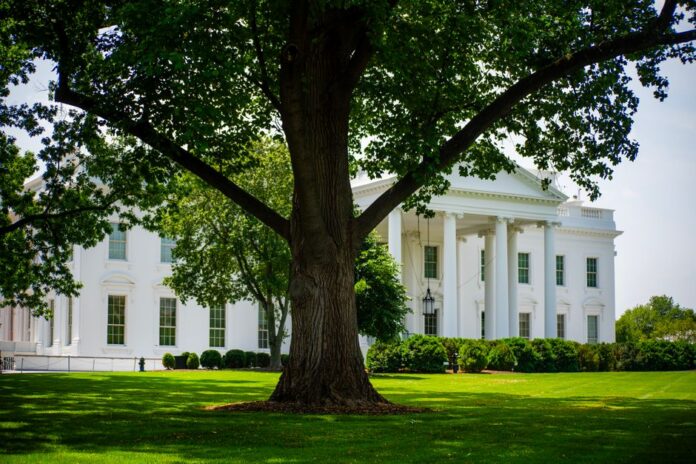
Photo: Ramaz Bluashvili / Pexels
By The News Beacon Newsroom, Politics Desk — Published October 6, 2026
Table of Contents
- Key Takeaways
- The Background & Context
- Why This Matters
- Reactions & Analysis
- What Happens Next
- Frequently Asked Questions
The decennial census is still years away, but the shadow of Donald Trump’s presidency may loom large over the 2030 count. Even though Trump won’t be in the White House when Census Bureau workers begin knocking on doors, the policy directives and administrative changes implemented during his tenure could reshape how America counts its people for a generation. The question facing lawmakers, civil rights advocates, and election officials is whether the institutional momentum he set in motion can be reversed—or whether it will endure long after he leaves office.
At the heart of this concern is the nature of executive power itself. Presidential administrations leave fingerprints on federal agencies that persist through personnel decisions, regulatory frameworks, and budget priorities. For the Census Bureau, an agency tasked with the constitutional mandate to count every person in the United States, the stakes are particularly high. The data it collects determines congressional representation, Electoral College votes, and the distribution of hundreds of billions of dollars in federal funding.
The census is not merely a statistical exercise. It is a political battleground where decisions about who gets counted—and how—can shift power between states, communities, and political parties for the next decade.
Key Takeaways
- Trump’s policy directives regarding census operations may continue to influence the 2030 count even after his presidency ends.
- The long-term effects of administrative changes at federal agencies often outlast the presidents who implement them.
- Census data determines congressional representation, Electoral College votes, and federal funding distribution affecting every American community.
- Similar patterns are emerging internationally, with surveys suggesting that consumer boycotts related to Trump-era policies may persist beyond his time in office.
- Civil rights groups and election experts are monitoring whether institutional changes can be reversed before the next decennial count.
- The debate reflects broader tensions about executive power, federalism, and the permanence of political decisions in American democracy.
The Background & Context
Every ten years, the United States Constitution requires a complete count of the nation’s population. This process, mandated in Article I, Section 2, serves as the foundation for representative democracy. States with growing populations gain congressional seats and electoral votes. Those losing residents see their political influence diminish. Beyond politics, census data guides decisions on where to build schools, hospitals, and roads. It shapes business investment and community planning.
The 2020 census unfolded amid unprecedented controversy. Legal battles erupted over questions about citizenship status. Deadlines shifted during the pandemic. Allegations of political interference roiled the Census Bureau’s professional staff. Advocacy organizations warned that immigrant communities and people of color faced systematic undercounting. The final tally came in late, and disputes over methodology and accuracy continue to this day.
Now, with the 2030 census on the horizon, officials are beginning preliminary planning. Budget requests must be submitted. Technology platforms need development. Outreach strategies require years of preparation. But the institutional memory of the last count—and the policy framework established during that period—will inevitably shape the next one.
The Census Bureau operates within the Department of Commerce, making it subject to executive branch priorities. Appointees at the top levels of the department can influence everything from questionnaire design to data privacy protections. Career civil servants provide continuity, but political leadership sets the agenda. When an administration prioritizes certain policy goals, those priorities can become embedded in agency culture, hiring practices, and operational procedures.
This dynamic is not unique to the census. Across the federal government, regulatory agencies experience what scholars call “administrative persistence.” Rules adopted during one presidency often survive into the next, particularly if they involve complex implementation or enjoy support from key constituencies. Reversing course requires political will, legal authority, and often years of bureaucratic effort.
Why This Matters
For ordinary Americans, the census might seem like a distant government function. Fill out a form, answer some questions, move on with life. But the implications run deep into the fabric of civic life. An accurate count ensures that communities receive their fair share of federal resources. An undercount can deprive a city or rural area of funding for Medicaid, highway construction, school lunch programs, and disaster relief.
Political representation hangs in the balance. States on the margin of gaining or losing a congressional seat watch the numbers closely. A difference of a few thousand people can shift a House seat from one state to another, changing the partisan composition of Congress and altering the path to a presidential electoral majority. Legislators draw district lines based on census data, making the count a prerequisite for redistricting battles that determine which party controls state legislatures and congressional delegations.
The question of administrative continuity matters because it affects whether the next census will be conducted with the same methodologies, priorities, and potential blind spots as the last one. If policies implemented during the Trump administration remain in place, they could influence who participates, how data is collected, and ultimately which communities are fully counted. Conversely, if a different administration successfully overhauls those policies, the 2030 census could look markedly different.
This uncertainty creates challenges for state and local governments that need to plan ahead. Census outreach requires partnerships with community organizations, trusted messengers in immigrant neighborhoods, and culturally competent materials. If the federal approach shifts dramatically between now and 2030, those partnerships may need to be rebuilt from scratch.
The broader pattern extends beyond American borders. Reports indicate that consumer behavior and public sentiment shaped during the Trump years may persist internationally, affecting trade relationships and diplomatic ties. Canadians surveyed about boycotts of American products, for instance, suggest that such actions may outlast Trump’s time in the White House. This reflects a reality where political decisions create lasting perceptions and behaviors that transcend individual election cycles.
Reactions & Analysis
Civil rights organizations have been vocal about their concerns. Groups that fought legal battles over the 2020 census are already preparing for the next round. They argue that any lingering policy frameworks designed to discourage participation or exclude certain populations must be dismantled well in advance of 2030. Trust, they emphasize, takes years to build and moments to destroy. Communities that felt targeted or marginalized during the last count will approach the next one with skepticism unless they see concrete changes.
State officials, particularly those in rapidly growing areas, are watching closely. Governors and legislators understand that census numbers directly affect their state’s power in Washington. A thorough count means more representation and more federal dollars. An undercount means lost opportunities for a decade. Some states have already begun investing in their own outreach efforts, unwilling to rely solely on federal initiatives.
Political analysts note that census disputes have become increasingly partisan. What was once a relatively technocratic process has become a front in broader culture wars over immigration, citizenship, and national identity. Campaign rhetoric around these issues influences public perception of the census itself. Legislation proposed in Congress often reflects these divisions, with competing visions of how the count should be conducted and what questions should be asked.
Academic researchers who study the census worry about the erosion of public trust in government data. When the census becomes a political football, people question whether they can trust the results. Businesses rely on census data for market research. Nonprofits use it to identify communities in need. Public health officials depend on it for disease surveillance and resource allocation. If the data’s credibility suffers, the ripple effects spread throughout society.
What Happens Next
The timeline for the 2030 census is already ticking. By the mid-2020s, the Census Bureau must finalize its operational plan. That means decisions about technology, questionnaire content, and field operations are approaching rapidly. The current administration and potentially the next one will make choices that lock in the framework for the count.
Legal challenges are likely. Any significant policy changes—whether reversing previous directives or implementing new ones—will probably face court scrutiny. Advocacy groups on all sides of census debates have proven willing to litigate. The judicial system’s role in shaping census policy has grown more prominent in recent decades, and there is no reason to expect that trend to reverse.
Congress holds significant power through its appropriations authority. Underfunding the Census Bureau can hamper outreach efforts and force reliance on less accurate methods. Conversely, robust funding can enable innovative approaches and comprehensive field operations. Budget battles in the years ahead will signal congressional priorities and may determine whether the 2030 census has the resources to achieve a complete and accurate count.
International observers are also paying attention. The United States has long been a model for census methodology, and other nations watch how America navigates the intersection of technology, privacy, and political pressure. The precedents set here may influence democratic practices globally.
Public engagement will be crucial. An informed citizenry that understands the census’s importance is more likely to participate. Media coverage, community education, and transparent communication from the Census Bureau can build the trust necessary for a successful count. Conversely, confusion, fear, or apathy can suppress participation and lead to an undercount.
Frequently Asked Questions
When will the next U.S. census take place?
The next decennial census is scheduled for 2030. Census Day, when the count officially occurs, will be April 1, 2030. However, planning and preparation by the Census Bureau begins years in advance, with critical decisions about methodology and outreach happening throughout the 2020s.
How can policy decisions made during one presidency affect the next census?
Presidential administrations influence the Census Bureau through appointments, budget priorities, and regulatory directives. These decisions can shape agency culture, operational procedures, and policy frameworks that persist beyond a single term. Reversing such changes often requires significant political and bureaucratic effort, meaning that the effects of one administration’s choices can extend well into the future.
Why does the census matter for congressional representation and federal funding?
The Constitution requires that congressional seats be apportioned based on population. States that gain residents may receive additional House seats and Electoral College votes, while those losing population may lose representation. Additionally, census data determines how more than $675 billion in federal funding is distributed annually for programs like Medicaid, highway construction, and education, making an accurate count critical for communities nationwide.
What can citizens do to ensure an accurate census count?
Citizens can participate fully when the census arrives, encourage their neighbors to respond, and support community organizations working on census outreach. Staying informed about census policies and holding elected officials accountable for adequate funding and fair procedures also helps. Advocacy and public engagement in the years leading up to 2030 will shape how the count is conducted and whether all communities are fairly represented.
The census represents one of democracy’s most fundamental exercises: counting the people to ensure equal representation. As the nation looks toward 2030, the choices made today about institutional frameworks and policy priorities will determine whether that count reflects the full diversity and complexity of American life. The work of ensuring a fair and accurate census begins not on Census Day, but in the years of preparation, debate, and civic engagement that precede it.


