
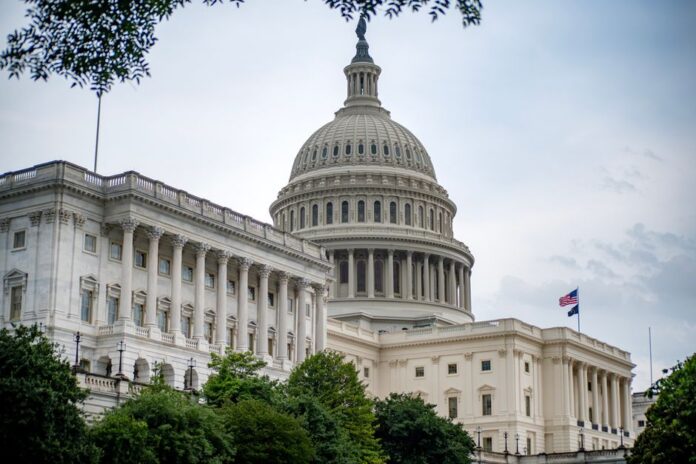
Photo: Ramaz Bluashvili / Pexels
By The News Beacon Newsroom, National Desk — Published September 9, 2026
Table of Contents
- Key Takeaways
- The Background & Context
- Why This Matters
- Reactions & Analysis
- What Happens Next
- Frequently Asked Questions
The Trump administration threatens state election officials across the nation with potential criminal prosecution over alleged noncitizen voting, marking an aggressive new phase in federal oversight of state-run elections. Multiple states are now facing demands to preserve election records and responding to FBI subpoenas as the federal government intensifies its scrutiny of voter rolls and election administration practices from the 2024 cycle.
Nevada has emerged as a focal point of this campaign. Federal authorities have demanded the state preserve all records from the 2024 election, while the FBI has issued subpoenas to Nevada’s chief election official seeking voter-related information. The moves signal a coordinated effort by federal law enforcement and the administration to investigate claims of noncitizen voting, a phenomenon that election security experts have long said occurs at negligible rates.
Washington state officials are among those pushing back against what they characterize as an unprecedented federal intrusion into state election processes. The reported escalation in voter fraud investigations has triggered alarm among election administrators who view the actions as politically motivated intimidation rather than legitimate law enforcement activity.
Key Takeaways
- The Trump administration is threatening criminal charges against state election officials over alleged noncitizen voter registration and participation
- Nevada has received federal demands to preserve all 2024 election records while facing FBI subpoenas for voter information
- Washington state officials have publicly criticized the reported increase in voter fraud investigations as improper federal overreach
- The federal actions represent a significant shift in the relationship between federal and state authorities over election administration
- Election security experts maintain that noncitizen voting occurs at extremely low rates and poses minimal threat to election integrity
- State election officials face potential legal jeopardy for decisions made in administering voter registration systems
The Background & Context
American elections have historically been managed by state and local authorities with limited federal intervention. The Constitution grants states broad authority to determine voter qualifications and conduct elections, even for federal offices. This decentralized system has been a cornerstone of American democracy since the founding.
The current controversy centers on noncitizen voting, an issue that has become politically charged despite limited evidence of widespread occurrence. Federal law prohibits noncitizens from voting in federal elections, and states maintain various safeguards to prevent ineligible individuals from registering. When instances are discovered, they typically involve administrative errors or individuals who misunderstood eligibility requirements rather than coordinated fraud attempts.
Previous administrations have generally deferred to state election officials to manage their voter rolls and investigate potential irregularities. States have their own procedures for verifying voter eligibility, removing ineligible voters, and referring suspected violations to appropriate authorities. The current federal approach represents a departure from this tradition of state primacy in election administration.
The 2024 election cycle saw heightened attention to voter roll maintenance and eligibility verification. Some states conducted audits and reviews of their registration databases, occasionally identifying individuals who may have been registered despite lacking citizenship. These findings, while typically involving small numbers of voters, have provided ammunition for claims that noncitizen voting represents a significant problem requiring federal intervention.
Why This Matters
The implications for American democracy extend far beyond the immediate question of noncitizen voting. At stake is the fundamental balance of power between federal and state governments in managing elections, a balance that has been carefully maintained for more than two centuries.
State election officials now face an impossible dilemma. They must administer complex voter registration systems that balance accessibility with security, serving millions of eligible citizens while preventing ineligible individuals from registering. The threat of federal criminal prosecution adds a new layer of personal legal risk to officials who are simply doing their jobs according to state law and established procedures.
This pressure could have a chilling effect on election administration. Officials may become overly cautious, implementing restrictive measures that make it harder for eligible citizens to register and vote. The fear of federal prosecution might lead some experienced administrators to leave their positions, creating instability in election offices at a time when expertise and institutional knowledge are crucial.
For ordinary Americans, the controversy raises questions about the integrity and independence of the election system. Voters need confidence that elections are fair, secure, and free from political manipulation. When federal authorities threaten state officials over election administration, it can either bolster confidence by demonstrating commitment to election security or undermine it by appearing to politicize the process.
The actions also test constitutional boundaries. The federal government has legitimate interests in ensuring that federal elections are conducted properly and that only eligible citizens vote. States, however, have constitutional authority to manage election mechanics and voter registration. Where one sphere of authority ends and the other begins has never been definitively settled, and this confrontation may force courts to draw clearer lines.
Reactions & Analysis
Washington state officials have been particularly vocal in their criticism of the federal approach. They view the reported increase in voter fraud investigations as an improper use of federal law enforcement resources to intimidate state election administrators. These officials argue that the investigations lack factual basis and are designed to create a false narrative about election security problems.
Nevada finds itself at the center of federal attention with both document preservation demands and FBI subpoenas targeting the state’s election chief. The dual approach of administrative demands and criminal investigation tools suggests federal authorities are treating Nevada’s election administration as a potential crime scene rather than a routine government function.
Election security experts outside government have expressed concern about the precedent being set. They note that noncitizen voting has been extensively studied and consistently found to be extremely rare. Directing federal law enforcement resources toward this issue, they argue, diverts attention from genuine election security threats such as foreign interference, cyberattacks on election infrastructure, and domestic disinformation campaigns.
Legal scholars are watching closely to see whether any charges are actually filed. The threat of criminal prosecution is one thing; actually charging state officials with crimes for administering elections according to state procedures would be unprecedented. Such charges would likely face significant legal challenges based on federalism principles, prosecutorial discretion, and questions about criminal intent.
Some supporters of the federal actions argue that states have been lax in maintaining accurate voter rolls and that federal intervention is necessary to ensure election integrity. They point to instances where noncitizens have been found on voter rolls as evidence that stronger enforcement is needed. From this perspective, the threat of prosecution serves as a necessary wake-up call to state officials who have not taken the issue seriously enough.
What Happens Next
The immediate future likely involves continued tension between federal and state authorities. As FBI subpoenas are answered and document preservation demands are met, federal investigators will review massive amounts of election records. What they do with that information will determine whether this remains a war of words or escalates into actual prosecutions.
State officials may seek legal protection through the courts. Lawsuits challenging federal authority to investigate and prosecute state election administrators could provide judicial clarity on the limits of federal power in this area. Such litigation could take years to resolve and might ultimately reach the Supreme Court.
Congress could also play a role. Lawmakers might hold hearings on federal election enforcement practices, potentially leading to legislation that either expands or restricts federal authority over state election administration. The political composition of Congress will largely determine whether such efforts support or constrain the administration’s approach.
For the 2026 midterm elections and beyond, state election officials will operate under the shadow of potential federal prosecution. This may lead to changes in how states manage voter registration, with some implementing stricter verification procedures and others seeking to insulate their officials from federal interference through state legislation.
The controversy also sets the stage for broader debates about election administration, voter access, and security that will likely intensify as the 2028 presidential election approaches. How this initial confrontation is resolved will shape the landscape for those future battles.
Frequently Asked Questions
Is it illegal for noncitizens to vote in U.S. elections?
Yes, federal law prohibits noncitizens from voting in federal elections for president, Senate, and House of Representatives. Most states also prohibit noncitizens from voting in state and local elections, though a handful of localities allow noncitizen voting in certain municipal elections. Violations can result in criminal penalties, deportation for noncitizens, and barriers to future naturalization.
How common is noncitizen voting in American elections?
Research consistently shows that noncitizen voting is extremely rare. Studies examining millions of votes have found only isolated instances, often involving individuals who misunderstood eligibility requirements or made administrative errors. Election security experts say noncitizen voting occurs at rates far too low to affect election outcomes and that existing safeguards are generally effective at preventing it.
Can the federal government prosecute state election officials for how they run elections?
The legal authority is complex and largely untested. Federal prosecutors can charge violations of federal election law, but states have constitutional authority to manage election administration. Whether state officials can face federal criminal charges for decisions made while administering elections according to state law remains an open legal question that courts may need to resolve.
What records are states being required to preserve?
While specific details vary by state, federal demands reportedly cover comprehensive 2024 election records including voter registration applications, verification documents, poll books, ballot materials, and communications related to voter eligibility determinations. Federal law already requires retention of certain election records for specified periods, but these demands appear to go beyond routine preservation requirements.
As this confrontation between federal authority and state sovereignty unfolds, Americans are watching a fundamental question being tested in real time: who ultimately controls how we vote, and what happens when different levels of government disagree about the answer. The resolution will shape election administration for years to come.


