
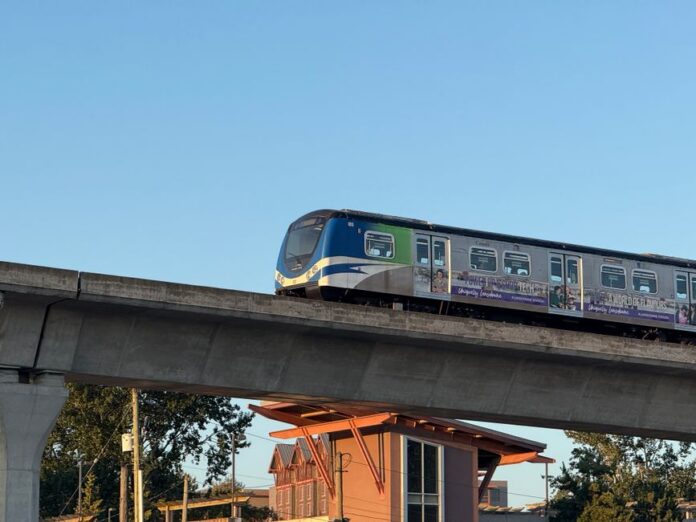
Thousands of college football fans found themselves trapped on a disabled light rail train for nearly two hours following Sunday’s Apple Cup game in Seattle, raising questions about the reliability of publicly-funded transit systems during major events.
Mechanical Failure Strands Passengers
Sound Transit confirmed that a northbound 2 Line train experienced a mechanical malfunction shortly before 6 p.m. on September 9, leaving the vehicle immobilized between the University of Washington and Roosevelt stations. The breakdown occurred as fans from both the University of Washington and Washington State University were heading home after attending the annual rivalry matchup. Transit officials have launched an investigation to determine the root cause of the system failure that left passengers without service during a critical time.
The timing of the breakdown compounded the disruption, as thousands of game attendees relied on the light rail system to transport them from the stadium. Passengers remained stuck on the disabled train while transit authorities worked to develop and implement a rescue plan. The incident highlights potential vulnerabilities in Seattle’s public transportation infrastructure when handling large crowds during special events.
Emergency Response and Service Recovery
Sound Transit deployed rescue trains to evacuate stranded passengers from the malfunctioning vehicle. Meanwhile, authorities established a temporary shuttle service operating on the southbound track between the University of Washington and Northgate stations. This improvised solution allowed responders to safely relocate the disabled train while minimizing further disruptions to the transit network. The complex operation required coordination between multiple teams and temporarily affected service patterns across the northern segment of the 2 Line.
Transit Reliability Under Scrutiny
The breakdown raises concerns about Sound Transit’s operational reliability during high-demand periods when taxpayers most need dependable service. Seattle residents have invested billions of dollars in light rail expansion through voter-approved tax increases, with expectations that the system would provide dependable transportation alternatives. This incident marks another challenge for the agency, which must balance system maintenance with growing ridership demands. Transit officials have not yet released details about what specific mechanical issue caused the failure or what preventive measures might prevent similar occurrences. The investigation continues as the agency works to restore public confidence in the system’s ability to handle major events without leaving thousands of citizens stranded.


