
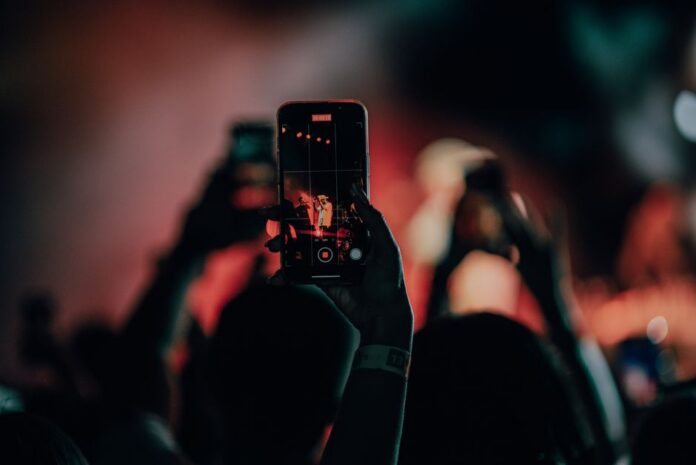
Photo: Grish Petrosyan / Pexels
By The News Beacon Newsroom, Entertainment Desk — Published November 11, 2026
Table of Contents
- Key Takeaways
- The Background & Context
- Why This Matters
- Reactions & Analysis
- What Happens Next
- Frequently Asked Questions
The 2026 midterm elections have concluded with a new understanding of how social media celebrities and entertainment figures can shape American democracy. From streaming stars to pop culture icons, the intersection of entertainment and politics reached unprecedented levels this cycle. What began as scattered celebrity endorsements evolved into coordinated digital campaigns that mobilized millions of voters, particularly younger Americans who consume news and form opinions through platforms rather than traditional media.
The midterms saw influencers with followings rivaling major news networks wade into races from Senate contests to local ballot measures. Meanwhile, foreign interference efforts intensified, with Russia ramping up influence operations in the final stretch. And as the dust settles, Democrats are already eyeing potential 2028 presidential contenders who understand this new landscape.
This election cycle demonstrated that the line between entertainment, social media, and civic participation has all but vanished. The implications for American democracy—and for future campaigns—are profound.
Key Takeaways
- Social media celebrities played an outsized role in the 2026 midterm elections, mobilizing young voters through digital platforms rather than traditional campaign methods.
- Entertainment figures from movies, TV, and streaming services injected pop culture messaging into political discourse, reaching audiences that conventional political advertising often misses.
- Russia escalated election influence efforts during the final weeks of the midterms, according to reports, exploiting social media platforms to spread disinformation.
- Democrats are already positioning potential 2028 White House contenders who recognize the power of digital influence and celebrity endorsement in modern campaigns.
- The fusion of entertainment and politics raises questions about information quality, voter manipulation, and the future of civic engagement in America.
- Both parties now view social media celebrity partnerships as essential campaign infrastructure, not optional add-ons.
The Background & Context
Celebrity involvement in politics is nothing new. Frank Sinatra campaigned for John F. Kennedy. Arnold Schwarzenegger became California’s governor. Oprah Winfrey’s 2008 endorsement of Barack Obama was credited with delivering over one million votes.
But 2026 marked a fundamental shift. The celebrities who mattered most weren’t necessarily A-list movie stars. They were TikTok creators with 50 million followers. YouTube personalities whose audiences trust them more than journalists. Podcast hosts who conduct three-hour conversations that shape political opinions more effectively than thirty-second attack ads.
The entertainment industry’s migration to streaming platforms created a new class of influencer. These figures built intimate relationships with audiences through regular content, parasocial bonds, and algorithmic amplification. When they spoke about politics, their followers listened. When they shared voter registration links, millions clicked.
Traditional campaigns struggled to adapt. Sixty-second TV spots still consumed massive budgets, but young voters had largely abandoned cable. Direct mail reached homes, but sat unopened. Meanwhile, a single Instagram story from the right influencer could generate more engagement than a week of conventional advertising.
The 2024 presidential cycle hinted at this transformation. By 2026, it had become the dominant paradigm. Campaigns hired “influencer outreach coordinators” and “celebrity liaison directors.” War rooms monitored trending hashtags as closely as polling numbers. Candidates appeared on entertainment podcasts more frequently than Sunday morning news shows.
Why This Matters
The stakes extend far beyond campaign tactics. When social media celebrities become primary information sources, the quality and accuracy of political discourse changes. Entertainment values—drama, conflict, personality—can overshadow policy substance. Viral moments matter more than voting records.
For American voters, particularly younger citizens, this shift represents both opportunity and risk. On one hand, celebrity involvement can increase engagement. Registration drives led by pop culture figures brought new voters into the process. Issues that might have languished in obscurity gained traction when championed by influencers.
On the other hand, the entertainment-ification of politics raises serious concerns. Celebrities rarely have expertise in governance, foreign policy, or economic theory. Their endorsements may be based on personal relationships rather than rigorous policy analysis. And their massive platforms can spread misinformation as easily as facts.
The Russian influence operations reported during the final stretch of the midterms exploited exactly these vulnerabilities. By creating fake celebrity accounts, amplifying divisive content, and manipulating trending topics, foreign actors weaponized the same tools that legitimate influencers use for civic engagement.
For taxpayers and citizens concerned about election integrity, the question becomes: how do we preserve the benefits of increased engagement while guarding against manipulation? There are no easy answers. Regulating social media content bumps against First Amendment protections. Platform self-policing has proven inconsistent. Media literacy education reaches only a fraction of the population.
Reactions & Analysis
Political professionals are divided on what the 2026 results mean. Some strategists celebrate the democratization of political influence. No longer do campaigns require massive television budgets or insider media connections. A compelling message and the right influencer partnership can level the playing field.
Others warn of a dangerous erosion of expertise and deliberation. When complex policy questions get reduced to TikTok talking points, nuance disappears. When voters choose candidates based on which streaming star endorsed them, democracy becomes a popularity contest detached from governance capacity.
As Democrats consider potential 2028 White House contenders, according to reports, the ability to navigate this new landscape weighs heavily. Candidates who understand streaming culture, speak the language of social media, and can authentically engage with entertainment figures have clear advantages. Those who rely on traditional political skills—debate prowess, legislative experience, coalition-building—may find themselves outmatched by opponents who simply have better memes.
The Russian interference efforts reported during the midterms add urgency to these concerns. If foreign adversaries can successfully impersonate celebrities, hijack trending topics, and spread disinformation through entertainment channels, the integrity of future elections hangs in the balance. Intelligence officials and platform companies face mounting pressure to address these vulnerabilities before 2028.
Civil society groups are pushing for greater transparency. They want influencers to clearly disclose political partnerships. They demand platforms provide better tools for identifying foreign propaganda. They advocate for civic education that helps voters critically evaluate information regardless of its source.
What Happens Next
The 2026 midterms will not be an aberration. They represent the new normal. Future campaigns will only deepen their reliance on social media celebrities and entertainment partnerships. The question is whether guardrails can be established to protect democratic integrity while preserving free expression.
Expect legislation. Congress will likely consider bills requiring influencers to disclose paid political content, similar to existing rules for traditional advertising. Platform regulation may tighten, particularly around foreign accounts and coordinated inauthentic behavior. Whether such measures can pass in a divided political environment remains uncertain.
The entertainment industry itself may self-regulate. Studios, streaming services, and talent agencies could develop ethical guidelines for political engagement. Industry associations might create standards for fact-checking and disclosure. But voluntary measures often prove toothless without enforcement mechanisms.
For 2028 presidential hopefuls, the lesson is clear: build your digital coalition now. Cultivate relationships with influencers across platforms. Understand the rhythms of viral content. Speak the cultural language of streaming audiences. Traditional political skills still matter, but they are no longer sufficient.
Foreign adversaries, meanwhile, are taking notes. The Russian operations during the 2026 midterms were likely trial runs for more sophisticated efforts in 2028. Other nations may join the fray. The battleground will be social media feeds and entertainment platforms as much as swing states and debate stages.
Frequently Asked Questions
How did social media celebrities specifically influence the 2026 midterms?
Social media celebrities mobilized young voters through digital platforms, shared voter registration information, endorsed candidates, and shaped political discourse through their entertainment content. Their influence extended beyond traditional celebrity endorsements by creating ongoing engagement with millions of followers who trust them as information sources. This represented a shift from conventional campaign advertising to influencer-driven political communication.
What role did Russian interference play in the 2026 midterms?
According to reports, Russia stepped up election influence efforts during the final stretch of the midterms. These operations likely exploited social media platforms to spread disinformation, create fake accounts, and manipulate political discourse. The interference efforts targeted the same digital channels that legitimate celebrities and influencers use, making detection and prevention particularly challenging.
Why are Democrats already looking at 2028 presidential contenders?
As reported, Democrats are identifying potential 2028 White House contenders in the aftermath of the 2026 midterms. This early positioning reflects the long lead time required to build national campaigns, cultivate donor networks, and establish the social media presence and celebrity partnerships that proved decisive in 2026. Candidates who wait too long risk being outmaneuvered by opponents who understand the new entertainment-politics landscape.
Will celebrity involvement in politics continue to grow?
All indicators suggest that social media celebrity involvement in politics will expand rather than contract. The 2026 midterms demonstrated the effectiveness of influencer-driven campaigns, particularly for reaching younger voters who consume news and entertainment through digital platforms. Both parties now view celebrity partnerships as essential campaign infrastructure, ensuring that future elections will feature even greater fusion of entertainment and politics.
The 2026 midterms closed one chapter and opened another. Social media celebrities are no longer peripheral to American democracy—they are central to it. How the nation adapts to this reality will shape not just future campaigns, but the health of democratic institutions themselves. The entertainment may be compelling, but the stakes could not be higher.


