
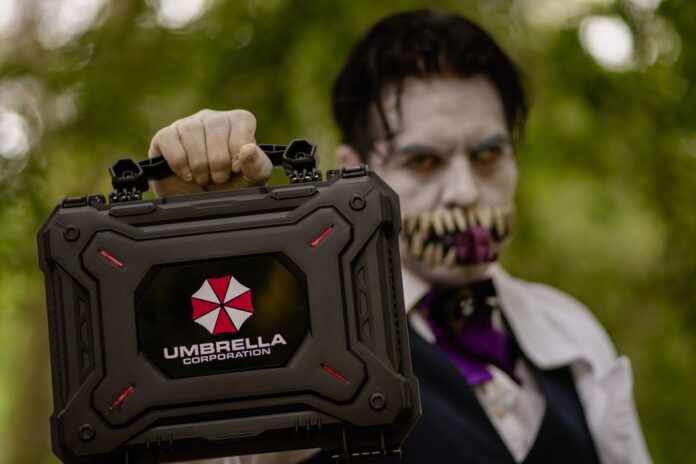
Photo: Israyosoy S. / Pexels
By The News Beacon Newsroom, Entertainment Desk — Published October 12, 2026
Table of Contents
- Key Takeaways
- The Background & Context
- Why This Matters
- Reactions & Analysis
- What Happens Next
- Frequently Asked Questions
The world of horror entertainment is experiencing a renaissance, and one franchise continues to claw its way back into the cultural conversation. NPR’s Pop Culture Happy Hour recently spotlighted “Resident Evil” as a grisly yet surprisingly humorous examination of survival against impossible odds. The discussion arrives as audiences prepare for a packed fall season of movies and streaming content, with horror proving itself once again as a dominant force in pop culture.
The timing is no accident. Horror has become appointment viewing and must-see cinema, drawing both critical acclaim and massive audiences. From franchise revivals to original nightmares, the genre is flexing creative muscles that extend far beyond simple scares.
For American viewers navigating an increasingly crowded entertainment landscape, understanding which horror offerings merit attention—and why critics are taking them seriously—matters more than ever. The conversation around “Resident Evil” reflects broader trends about how we consume fear, laughter, and survival stories in equal measure.
Key Takeaways
- NPR’s Pop Culture Happy Hour featured “Resident Evil” as a blend of grisly horror and unexpected comedy, highlighting the franchise’s enduring appeal
- The fall entertainment season promises a robust lineup of movies and TV shows, with horror and thriller content commanding significant attention
- 2025 is shaping up as a banner year for horror, with films like “Sinners” and “The Conjuring” franchise entries earning both box office success and critical praise
- The horror genre has evolved beyond niche appeal to become a mainstream cultural force that attracts serious critical analysis
- Pop culture programming increasingly treats genre entertainment with the analytical depth previously reserved for prestige drama
The Background & Context
The “Resident Evil” franchise has been a cultural fixture for nearly three decades, beginning as a video game series before spawning multiple film adaptations, television shows, and animated features. Its longevity speaks to something fundamental about its appeal: the marriage of visceral horror with action-adventure storytelling.
NPR’s Pop Culture Happy Hour has emerged as a trusted voice for dissecting entertainment across all formats. The show’s decision to examine “Resident Evil” reflects a broader shift in how cultural critics approach genre work. No longer dismissed as mere escapism, horror receives thoughtful analysis about craft, social commentary, and artistic merit.
The franchise’s ability to balance grisly violence with moments of levity has always been part of its DNA. Characters face zombie hordes and biological nightmares while delivering quips and navigating absurd corporate conspiracy plots. This tonal juggling act can fail spectacularly or succeed brilliantly, depending on execution.
Recent years have seen horror ascend to new heights of respectability. Films once relegated to midnight screenings now premiere at major festivals. Directors working in the genre receive auteur treatment. Streaming platforms invest heavily in horror series, recognizing that dedicated audiences will show up reliably for quality scares.
The fall season has traditionally been when studios and networks roll out their most anticipated content, positioning themselves for awards consideration and holiday viewing. Horror occupies an interesting position in this ecosystem—popular enough to draw crowds, yet still fighting for the prestige recognition that dramas and comedies receive more readily.
Why This Matters
For American audiences, the elevation of horror and genre entertainment represents a democratization of cultural criticism. What people actually watch is finally receiving the same analytical attention as what critics think they should watch. This matters because it validates the tastes and interests of millions of viewers who have long felt dismissed by cultural gatekeepers.
The economic impact is substantial. Horror films typically cost less to produce than blockbuster action movies but can generate outsized returns. When a horror film succeeds, it creates opportunities for diverse voices and experimental storytelling that might not otherwise receive funding. The genre has historically provided launching pads for filmmakers who later work across multiple styles.
Pop culture programming like NPR’s offerings serves an important function in helping audiences make informed choices about their entertainment consumption. With streaming services proliferating and content libraries expanding exponentially, curation and recommendation become valuable services. Knowing which horror offerings balance scares with substance helps viewers allocate their limited leisure time.
The conversation around “Resident Evil” and similar properties also reflects changing attitudes about what constitutes serious art. The rigid hierarchies that once placed literary adaptations above genre work are crumbling. Audiences increasingly reject the notion that entertainment must be joyless to be meaningful.
For the entertainment industry itself, the success of horror signals where investment dollars should flow. Studios and networks pay attention to what generates both audience engagement and critical conversation. When NPR dedicates airtime to discussing a horror franchise, it sends a message about cultural legitimacy that executives notice.
Reactions & Analysis
The cultural conversation around horror’s current moment reveals enthusiasm from multiple quarters. Critics who once might have dismissed the genre now engage seriously with its themes and techniques. The mention of upcoming films like “Sinners” and new “Conjuring” entries alongside critical acclaim indicates that quality and popularity need not be mutually exclusive.
Pop culture analysts have noted that horror often serves as a barometer for societal anxieties. The monsters and threats that resonate with audiences reflect deeper fears about disease, social breakdown, loss of control, and institutional failure. “Resident Evil,” with its focus on corporate malfeasance leading to biological catastrophe, taps into very real concerns about unchecked capitalism and scientific hubris.
The inclusion of humor within horror narratives has sparked particular interest. Comedy and terror might seem incompatible, but the best horror often understands that laughter and screams are closely related responses. Both involve a loss of control, a physical reaction that overwhelms rational thought. The “Resident Evil” franchise’s willingness to embrace both modes simultaneously creates a distinctive viewing experience.
Industry observers point to the fall lineup as evidence that studios are betting big on genre content. Rather than treating horror as a niche concern, major releases receive prime positioning and marketing budgets that signal confidence in broad appeal. This represents a significant shift from even a decade ago, when horror releases were often dumped in off-peak months.
What Happens Next
The trajectory for horror and genre entertainment appears to be one of continued growth and critical acceptance. As 2025 unfolds with its slate of horror releases earning both commercial success and critical recognition, the precedent strengthens for future investment in the genre.
For the “Resident Evil” franchise specifically, the attention from cultural critics and pop culture programming suggests continued relevance. Whether through new adaptations, reboots, or extensions of existing storylines, the property has demonstrated remarkable staying power. Audiences clearly remain hungry for stories about ordinary people facing extraordinary horrors.
The fall entertainment season will test whether the appetite for horror content has reached saturation or whether audiences can absorb multiple high-profile releases simultaneously. Early indicators suggest the latter, with different horror offerings appealing to distinct audience segments while maintaining crossover appeal.
Streaming platforms will likely continue investing in horror series and films, recognizing that the genre travels well internationally and generates passionate fan communities. These communities engage deeply with content, creating the kind of sustained conversation that platforms value for maintaining subscriber interest between new releases.
The broader cultural conversation about what deserves serious critical attention will continue evolving. As more critics engage substantively with genre work, audiences benefit from richer analysis and creators receive validation that encourages ambitious storytelling. The line between highbrow and lowbrow entertainment grows blurrier with each passing season.
Frequently Asked Questions
What makes “Resident Evil” stand out in the horror genre?
The franchise distinguishes itself by blending grisly horror elements with action-adventure storytelling and unexpected humor. This tonal balance creates a unique viewing experience that appeals to both horror enthusiasts and broader audiences who might typically avoid pure horror content. The series also benefits from nearly three decades of world-building across multiple media formats.
Why is NPR’s Pop Culture Happy Hour covering horror content?
Pop Culture Happy Hour reflects the reality of what audiences actually consume and discuss. Horror has evolved from niche entertainment to a cultural force that generates significant conversation and critical interest. Covering genre content acknowledges its artistic merit and cultural impact, treating it with the same analytical rigor as any other entertainment category.
How has horror’s cultural status changed in recent years?
Horror has transitioned from being dismissed as lowbrow escapism to receiving serious critical attention and awards consideration. Major studios now release horror films during prime seasons with substantial marketing budgets. Critics increasingly analyze horror for its craft, social commentary, and artistic choices rather than dismissing it based on genre alone.
What horror content should viewers watch this fall and into 2025?
Based on critical attention and industry buzz, viewers should watch for films like “Sinners” and new entries in “The Conjuring” franchise, which are earning both audience enthusiasm and critical praise. The fall season promises a diverse slate of movies and television shows across streaming platforms and theatrical releases, offering something for various horror preferences.
As entertainment options multiply and audience attention fragments, the conversation around what’s worth watching becomes increasingly valuable. Horror’s current cultural moment—exemplified by serious discussion of properties like “Resident Evil”—demonstrates that quality storytelling transcends genre boundaries. For viewers seeking both thrills and substance, the outlook has rarely been better.


