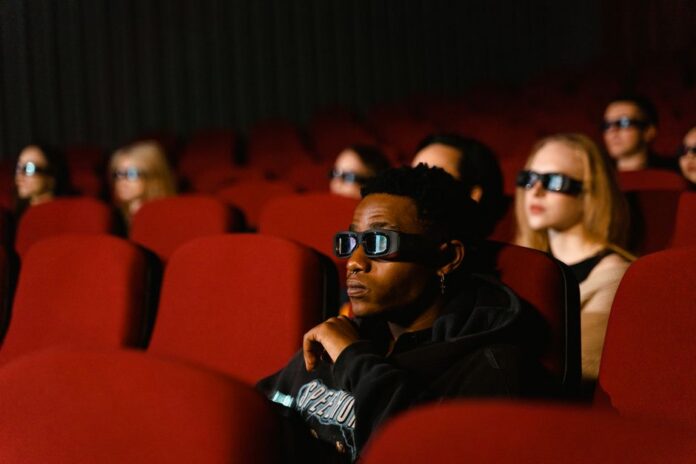
Photo: Tima Miroshnichenko / Pexels
By The News Beacon Newsroom, Entertainment Desk — Published October 4, 2026
Table of Contents
- Key Takeaways
- The Background & Context
- Why This Matters
- Reactions & Analysis
- What Happens Next
- Frequently Asked Questions
As American audiences prepare to navigate another year of entertainment upheaval, the conversation around what’s trending—and what’s fading—in the official 2026 culture landscape has taken center stage. From streaming services battling for dominance to the evolving tastes of moviegoers and TV watchers, pop culture observers are drawing lines in the sand about which trends deserve our attention and which should be left behind.
The annual ritual of declaring cultural “ins and outs” has become a barometer for where entertainment is headed. This year’s assessments arrive at a pivotal moment when traditional media companies face unprecedented challenges from upstart platforms, when theatrical releases compete with home viewing, and when audiences demonstrate increasingly selective tastes about how they consume stories.
For millions of Americans who shape their leisure time around movies, streaming platforms, and television programming, understanding these shifts isn’t just about staying current. It’s about recognizing how the entertainment industry responds to our collective preferences—and how those preferences, in turn, shape what gets made, funded, and celebrated.
Key Takeaways
- The official 2026 culture conversation reflects broader tensions between traditional and emerging entertainment formats as audiences reassess their viewing habits.
- Pop culture trend assessments now extend beyond movies and TV to encompass health movements, live events, and regional cultural programming.
- Major entertainment gatherings like Comic-Con continue to draw sold-out crowds, signaling sustained appetite for immersive fan experiences despite digital alternatives.
- Cultural observers are scrutinizing which wellness and lifestyle trends have genuine staying power versus those destined to fade quickly.
- Regional entertainment scenes, particularly in major metropolitan areas, are curating weekly cultural offerings that compete with national streaming content.
- The intersection of gut health trends and pop culture demonstrates how lifestyle movements can capture public attention before losing momentum.
The Background & Context
The tradition of cataloging cultural “ins and outs” has evolved from a simple list-making exercise into a sophisticated form of social commentary. What began as fashion magazines declaring which hemlines were acceptable has expanded into a comprehensive assessment of entertainment, lifestyle, and media consumption patterns.
In recent years, these annual pronouncements have gained particular relevance as the entertainment industry undergoes seismic shifts. The streaming wars have fragmented audiences across dozens of platforms. Theatrical releases face uncertain futures. Television has splintered into prestige limited series, reality juggernauts, and legacy network programming all competing for eyeballs.
The 2026 assessments arrive against this backdrop of transformation. Audiences are more empowered than ever to choose exactly what they watch, when they watch it, and on which device. That freedom has created both opportunity and chaos for content creators trying to break through the noise.
Simultaneously, pop culture has expanded to encompass wellness trends, health movements, and lifestyle choices that previous generations might not have considered entertainment. The rise of gut health as a pop culture phenomenon—before its apparent decline—exemplifies how quickly the public can embrace and then abandon trends that promise to improve their lives.
Major cities like New York continue to serve as cultural laboratories where live events, theatrical performances, and curated weekly programming offer alternatives to the digital-first entertainment model. These regional scenes provide testing grounds for what might capture national attention.
Why This Matters
For everyday Americans, the ebb and flow of pop culture trends carries real consequences. The entertainment industry employs millions of workers whose livelihoods depend on accurately reading audience preferences. When streaming platforms cancel shows after one season, entire production crews lose work. When theatrical releases flop, studios recalibrate their investment strategies.
Consumer spending follows cultural trends. Americans collectively spend billions annually on entertainment subscriptions, movie tickets, merchandise, and event attendance. Understanding which trends are ascendant helps families make informed choices about where to allocate limited entertainment budgets.
The health and wellness dimension of pop culture carries particular weight. When gut health trends surge in popularity, supplement companies proliferate, influencers build followings, and consumers invest money in products that may or may not deliver promised benefits. The subsequent fizzling of such trends can leave people feeling misled or disappointed.
Live events like Comic-Con International, which recently kicked off in San Diego with sold-out weekend attendance, demonstrate the enduring human desire for communal experiences. Despite the convenience of streaming content at home, tens of thousands of fans still flock to convention centers, dress in costume, and stand in lengthy lines for the chance to participate in shared pop culture excitement. This behavior signals something important about what audiences value beyond mere content consumption.
The cultural “ins and outs” conversation also reflects broader societal values. What we collectively decide is worth our attention—and what we reject—reveals our priorities, anxieties, and aspirations. These assessments function as a mirror showing us who we are becoming.
Reactions & Analysis
Industry observers note that the 2026 cultural landscape reflects growing audience sophistication. Viewers are less willing to commit time to mediocre content simply because it’s available. Quality thresholds have risen dramatically as competition for attention intensifies.
The sold-out success of Comic-Con International in San Diego demonstrates that certain types of cultural experiences remain immune to digital disruption. Fans value the opportunity to gather with like-minded enthusiasts, preview upcoming releases, and participate in a phenomenon larger than themselves. Convention organizers have successfully created an “in” experience that streaming services cannot replicate.
Meanwhile, the reported decline of gut health as a pop culture force illustrates the lifecycle of wellness trends. What captures public imagination with promises of transformation often cannot sustain momentum once early adopters move on to the next promising solution. This pattern repeats across various lifestyle categories, from fitness fads to dietary protocols.
Cultural programmers in major metropolitan areas are responding to audience fragmentation by offering carefully curated weekly activities designed to draw people away from their screens. These efforts acknowledge that competing with streaming services requires offering experiences—not just content—that justify leaving home.
Entertainment industry analysts suggest that the “ins and outs” framework helps companies make strategic decisions about content development, marketing spend, and platform positioning. Studios and streaming services monitor these cultural assessments as leading indicators of where audience attention may shift next.
What Happens Next
The entertainment landscape will continue evolving as platforms consolidate, technologies advance, and audience preferences shift. The 2026 cultural assessments provide a snapshot of this moment, but the picture will look different by year’s end.
Streaming services face ongoing pressure to demonstrate profitability after years of subscriber growth at any cost. This financial reality will likely influence which types of content get greenlit and which genres fall out of favor. Shows and films that might have been considered “in” during the peak streaming expansion may struggle to find funding in a more constrained environment.
Live events and in-person experiences appear positioned to remain culturally relevant as audiences seek authentic connections in an increasingly digital world. The success of sold-out conventions and curated city programming suggests that the pendulum may be swinging back toward valuing physical presence and shared experiences.
Health and wellness trends will continue cycling through periods of intense popularity followed by inevitable backlash. Consumers are becoming more discerning about which movements represent genuine improvements versus clever marketing. This skepticism may shorten the lifecycle of future wellness fads while rewarding approaches with demonstrated long-term benefits.
The democratization of cultural criticism means that “ins and outs” assessments will proliferate across social media platforms, with influencers and ordinary users alike declaring their own verdicts on what deserves attention. This fragmentation of authority makes it harder for any single institution to dictate cultural trends, empowering niche communities to sustain their own definitions of what’s relevant.
Frequently Asked Questions
What determines whether something is culturally “in” or “out”?
Cultural relevance is determined by a combination of factors including audience engagement, media coverage, social media conversation, and industry investment. Something becomes “in” when it captures widespread attention and generates sustained interest across multiple platforms. It falls “out” when public enthusiasm wanes, newer trends emerge, or the novelty wears off. The process is partly organic audience response and partly shaped by marketing and media amplification.
How do entertainment companies use these cultural trend assessments?
Studios, streaming platforms, and production companies monitor cultural trend assessments to inform content development decisions, marketing strategies, and resource allocation. If certain genres or formats are declared “out,” companies may reduce investment in those areas. Conversely, identifying emerging “in” trends helps entertainment executives greenlight projects that align with shifting audience preferences. These assessments serve as one data point among many that shape industry decision-making.
Why do some pop culture trends fade quickly while others endure?
Trends with genuine utility or deep emotional resonance tend to endure, while those built primarily on novelty or hype fade quickly. Wellness movements that deliver measurable benefits maintain followings longer than those making unrealistic promises. Entertainment formats that fulfill fundamental human needs—like the communal experience of conventions—prove more durable than those offering only superficial appeal. The difference often comes down to whether something addresses a lasting desire or merely capitalizes on temporary curiosity.
How can consumers make smart entertainment choices amid constantly shifting trends?
Focus on personal preferences rather than chasing whatever is currently declared “in.” Evaluate entertainment options based on your own interests, values, and budget rather than external trend assessments. Sample new offerings that genuinely intrigue you while maintaining loyalty to formats and creators that consistently deliver satisfaction. Remember that cultural “ins and outs” reflect aggregate patterns, not individual taste. What matters most is finding entertainment that enriches your life, regardless of its trending status.
As Americans continue consuming entertainment across an ever-expanding array of platforms and formats, the conversation about what’s culturally relevant will persist. The official 2026 assessments capture this moment of transition, offering a snapshot of collective preferences while acknowledging that tomorrow’s landscape may look entirely different. What remains constant is the human desire for stories, experiences, and connections that make life richer—however those may be packaged and delivered.


