
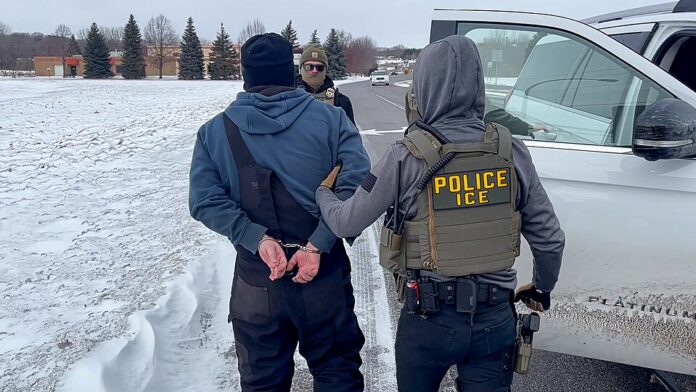
Immigration and Customs Enforcement has established an extensive digital monitoring operation that tracks American citizens and activist groups across social media platforms, raising serious constitutional concerns about government overreach and First Amendment protections.
Massive Social Media Monitoring Operation
ICE operates a continuous surveillance program that scans public posts across Facebook, Instagram, and X to identify content the agency considers threatening to its operations. The federal government has paid millions of dollars to private contractors who compile detailed dossiers on individuals, including their full names, locations, birth dates, workplaces, and Social Security information. These contractors produce daily reports identifying what the agency labels as potential threats or disruptive activities.
The surveillance extends beyond actual threats to include peaceful activist groups that simply inform community members about ICE enforcement activities in their neighborhoods. Former Homeland Security Investigations agents and contractors have confirmed the program’s scope through federal documents and firsthand accounts. One social media user, identified as Tired_Thumb, represents thousands of Americans whose online speech has been catalogued in government databases despite posing no credible threat.
Constitutional Questions Emerge
The monitoring program raises fundamental questions about the boundaries of government surveillance on American citizens exercising their First Amendment rights. While ICE claims the initiative protects agents and operations, civil liberties advocates note the chilling effect such monitoring creates on lawful speech and political expression. The use of taxpayer funds to compile dossiers on citizens engaged in community organizing or political activism mirrors tactics typically associated with authoritarian regimes rather than constitutional democracies.
Federal agencies have broad authority to monitor public communications for legitimate security purposes, but the collection of detailed personal information about citizens engaged in legal activities crosses traditional boundaries. The program appears to blur the line between protecting federal employees from genuine threats and suppressing lawful opposition to government policies.
Privacy and Oversight Concerns
The outsourcing of surveillance operations to private contractors adds another layer of concern regarding accountability and data security. These companies maintain databases containing sensitive personal information about American citizens with unclear retention policies or oversight mechanisms. The revelation comes as debates intensify over government surveillance powers and the proper balance between security operations and constitutional protections. Citizens concerned about government overreach now face the reality that routine social media posts about immigration enforcement may result in permanent inclusion in federal databases maintained by private companies operating beyond traditional oversight structures.


