
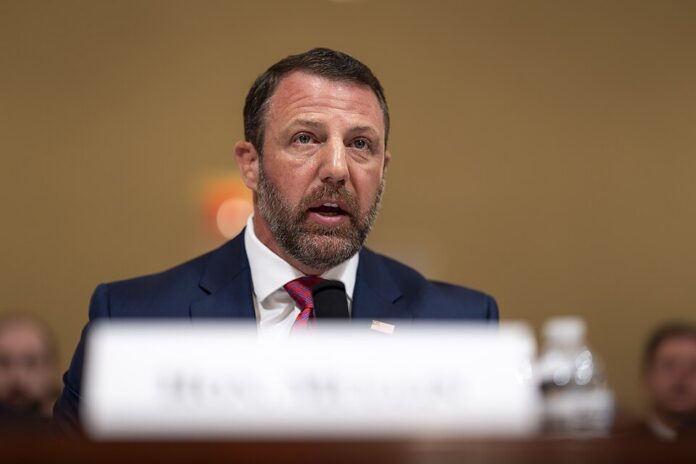
Homeland Security Secretary Markwayne Mullin faces mounting criticism from conservative activists who believe his approach to immigration enforcement represents a departure from the administration’s stated priorities on border security and deportation operations.
Tension Over Policy Direction
Mullin assumed leadership of the Department of Homeland Security in March following the removal of former Secretary Kristi Noem. Since taking office, he has implemented several organizational changes within the agency that oversees Immigration and Customs Enforcement. These reforms have sparked concern among prominent voices in the conservative movement who question whether the new direction adequately addresses illegal immigration challenges.
Critics argue Mullin’s adjustments to departmental operations suggest an attempt to soften enforcement measures that formed a cornerstone of campaign promises. The disagreement centers on how the administration should balance operational effectiveness with the political commitments made to voters who prioritized border security as a primary concern during the election.
Background on Leadership Change
The transition at DHS occurred amid controversy surrounding Noem’s tenure, which ended abruptly after multiple incidents drew public scrutiny. Mullin, a former Oklahoma senator, brought a different management style to the position. His focus on internal reforms at the agency responsible for immigration enforcement has created friction with those who believe the department should maintain its previous approach without modification.
The debate reflects broader tensions within conservative circles about how best to fulfill promises on immigration policy. Some supporters of stricter enforcement view any procedural changes as potentially undermining the mission, while others see organizational improvements as necessary for long-term effectiveness and legal sustainability of enforcement operations.
What This Means
This internal disagreement highlights the challenges facing political leaders who must translate campaign rhetoric into workable policy while managing complex federal agencies. The situation demonstrates how different factions within the same political coalition can hold divergent views on implementation even when agreeing on ultimate goals. How the administration navigates these competing pressures will likely influence both its ability to execute immigration policy and maintain support among voters who consider border security a defining issue. The outcome may set precedents for how future administrations balance enforcement priorities with operational realities.


