
Five months into military operations against Iran, American forces have achieved remarkable tactical victories while the broader strategic path to ending the conflict remains undefined, raising concerns about long-term credibility and national objectives.
Battlefield Success Without Clear Endgame
The U.S. military has inflicted substantial damage on Iran’s Islamic Revolutionary Guard Corps, destroying command centers, missile launchers, drone facilities, air defenses, and logistics hubs. American servicemen and women have demonstrated exceptional professionalism and precision throughout the campaign. However, Iran has shown unexpected resilience by dispersing forces, hardening underground facilities, and shifting to mobile launchers that continue operating despite sustained bombing campaigns targeting their infrastructure.
Retired Lt. Gen. Keith Kellogg emphasized that the Trump administration should combine diplomacy, military strength, and economic power to achieve lasting results against the Iranian regime. The current approach appears to assume that eliminating senior leadership will cause systemic collapse, but the regime’s durability may stem from deeper roots in revolutionary ideology, clerical establishments, and entrenched patronage networks that absorb punishment rather than surrender.
Credibility Becomes Strategic Asset
The strategic center of gravity has shifted from degrading military capabilities to maintaining American credibility domestically and internationally. Every warning and red line issued by Washington now faces evaluation not only in Tehran but also in Beijing, Moscow, Pyongyang, and allied capitals. Military historians warn that tactical success does not guarantee strategic victory, particularly when adversaries fighting for regime survival adapt faster than anticipated and prove willing to endure extended punishment.
Iran could emerge as a significant midterm election issue if current trends continue, especially if voters connect the conflict to rising energy costs, strained national resources, or distractions from domestic priorities like border security.
What This Means
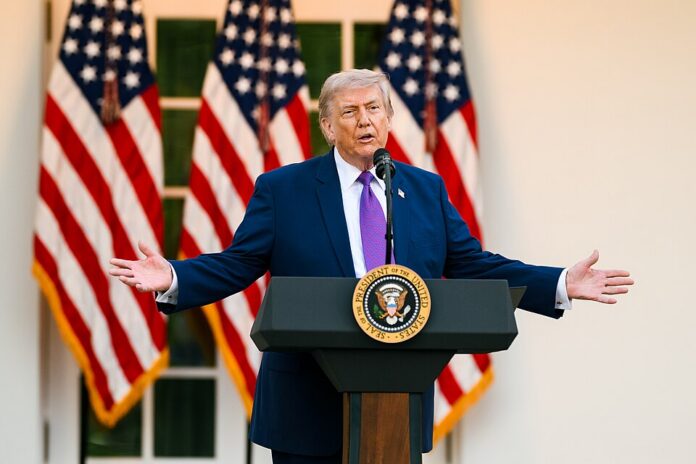
President Trump faces the challenge of converting military achievements into defined political outcomes. The danger lies not in America’s inability to destroy targets but in appearing trapped in open-ended retaliation without clear objectives. Converting battlefield dominance into strategic resolution requires matching military power with coherent political strategy that addresses ideologically committed regimes capable of absorbing punishment that conventional planning assumes will compel surrender.


