
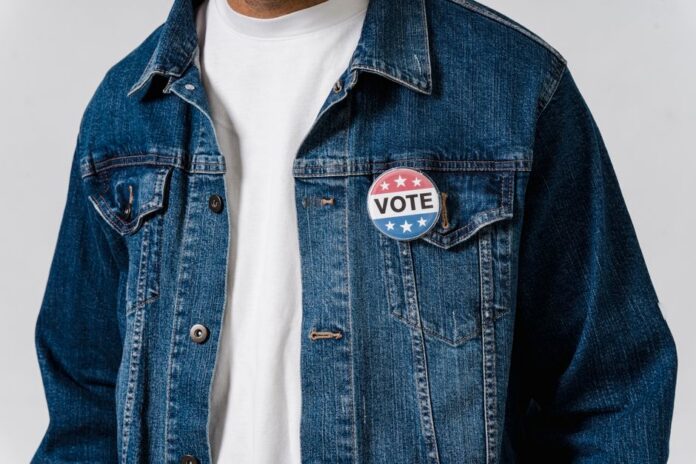
Photo: Sora Shimazaki / Pexels
By The News Beacon Newsroom, Entertainment Desk — Published October 24, 2026
Table of Contents
- Key Takeaways
- The Background & Context
- Why This Matters
- Reactions & Analysis
- What Happens Next
- Frequently Asked Questions
From Bruce Springsteen organizing democracy-themed concerts to television shows shaping how Americans view their government, the intersection of entertainment and civic life has never been more visible. The way culture influences politics extends far beyond celebrity endorsements or political cameos on late-night talk shows. Movies, streaming platforms, music festivals, and TV dramas are reshaping how millions of Americans understand democracy itself.
This cultural shift comes at a moment when traditional political institutions face declining trust. Voter turnout fluctuates wildly. Civic engagement often feels abstract to younger generations raised on Netflix and TikTok. Yet pop culture—the very medium many consume daily—may hold unexpected keys to revitalizing democratic participation.
The phenomenon isn’t new, but its intensity has grown. Academic institutions are studying how entertainment shapes political attitudes. Musicians are staging festivals explicitly designed to mobilize voters. The entertainment industry, long dismissed as mere distraction, increasingly functions as a parallel civic sphere where millions form their political identities.
Key Takeaways
- Pop culture serves as a primary vehicle through which many Americans, especially younger citizens, engage with political concepts and democratic values
- Bruce Springsteen organized an October festival in Washington D.C. specifically aimed at integrating music with democracy advocacy and civic mobilization
- Academic research, including foundational work on civic culture and political participation, explores how cultural factors shape democratic engagement
- Streaming platforms, movies, and television increasingly incorporate political themes, creating informal civic education for mass audiences
- The entertainment industry’s role in politics extends beyond celebrity endorsements to fundamental questions about how citizens understand governance
- Cultural institutions may offer pathways to democratic renewal at a time when traditional civic organizations face declining membership
The Background & Context
Political scientists have long recognized that culture and politics cannot be separated. Classic research into civic culture examined how different societies develop distinct political attitudes through cultural transmission. These studies identified various types of political culture—from highly participatory to passive—shaped by historical experience, education, and social norms.
What has changed is the dominant medium of cultural transmission. Where previous generations absorbed civic values through churches, labor unions, and civic clubs, today’s Americans spend hours daily consuming entertainment. The average person watches multiple streaming shows, scrolls through social media, and listens to music or podcasts. These aren’t just leisure activities. They’re the primary spaces where cultural narratives unfold.
Hollywood has always engaged with politics, from Frank Capra’s idealistic portrayals of American democracy to the cynical realism of 1970s cinema. But the relationship has intensified. Prestige television dramas dissect political machinations with documentary-level detail. Streaming documentaries investigate voting rights, gerrymandering, and campaign finance. Comedy shows provide political commentary that many viewers trust more than traditional news.
Musicians, too, have stepped into explicitly political roles. Benefit concerts and awareness campaigns are nothing new, but organizing entire festivals around democratic participation represents an evolution. According to reports, Bruce Springsteen’s October festival in Washington D.C. deliberately positioned music as a tool in what organizers framed as a fight for democracy itself. The venue choice—the nation’s capital—underscored the civic intent.
This cultural-political fusion reflects broader anxiety about democratic health. Polls consistently show Americans worry about polarization, misinformation, and institutional dysfunction. Traditional civic organizations have shrunk. Fewer people attend town halls or join political clubs. Pop culture fills that vacuum, offering accessible entry points to political conversation.
Why This Matters
The stakes extend beyond entertainment industry trends. How citizens understand democracy fundamentally shapes whether democracy survives. If people view politics as hopelessly corrupt—a narrative reinforced by some entertainment—they disengage. If they see civic participation as meaningful, they vote, volunteer, and hold officials accountable.
Pop culture’s influence matters particularly for younger Americans. Millennials and Gen Z consume vastly more entertainment than traditional news. A politically themed Netflix series may reach tens of millions who never watch cable news. A musician’s Instagram post about voting reaches audiences who skip newspaper editorials. For better or worse, celebrities and entertainers function as civic educators.
This creates both opportunities and risks. On one hand, entertainment can make abstract political concepts tangible. A compelling TV drama about immigration humanizes policy debates. A documentary about voting rights educates viewers who might never read a policy paper. Music festivals celebrating democracy can energize young voters.
On the other hand, entertainment simplifies and dramatizes. Nuanced policy becomes hero-versus-villain narratives. Complex governance reduces to individual personalities. Viewers may absorb distorted civics lessons, learning more about how politics works on television than in reality. The emotional engagement that makes entertainment powerful can also make it manipulative.
For taxpayers and voters, this matters because cultural narratives shape policy preferences. Public opinion on everything from healthcare to foreign policy is influenced by how issues appear in popular culture. Politicians increasingly recognize this, courting entertainment industry support and appearing on comedy shows to reach voters. The line between governance and performance blurs.
Reactions & Analysis
Academic institutions have responded by treating pop culture as a serious subject for political analysis. Universities now offer courses examining how television, film, and music shape civic attitudes. Researchers study whether politically engaged entertainment actually increases voter turnout or merely preaches to the converted.
The entertainment industry itself shows growing self-awareness about its civic role. Some creators explicitly frame their work as democracy advocacy. Others resist such instrumentalization, arguing entertainment should remain separate from political mobilization. This tension plays out in writers’ rooms and production meetings across Hollywood and the music industry.
Political strategists have taken notice. Campaigns increasingly coordinate with entertainers, recognizing that a well-timed concert or celebrity endorsement can mobilize specific demographics. The Springsteen festival in Washington represents this strategy writ large—using cultural capital to advance civic goals. Whether such efforts actually change minds or simply energize existing supporters remains debated.
Critics worry about several dynamics. Some argue that reducing politics to entertainment trivializes serious governance questions. Others note that celebrity political engagement often lacks depth, offering slogans rather than solutions. There’s concern that entertainment-driven politics favors charisma over competence, style over substance.
Defenders counter that meeting people where they are—in their entertainment consumption—is simply smart communication. If millions watch streaming shows but ignore C-SPAN, then streaming shows become necessary venues for civic conversation. Dismissing pop culture’s political role, they argue, means ceding enormous influence to those who do understand it.
What Happens Next
The entertainment industry’s political engagement shows no signs of decreasing. Streaming platforms compete partly on politically relevant content. Musicians continue organizing around civic themes. Social media ensures that celebrity political statements reach massive audiences instantly.
This trend will likely accelerate as traditional media fragments further. Younger generations will continue getting political information primarily through entertainment and social platforms. The question becomes whether this cultural-political fusion strengthens or weakens democratic practice.
Optimists see potential for democratic renewal. If pop culture can make civic participation appealing to disengaged citizens, it serves democracy. Festivals, concerts, and shows that celebrate democratic values might inspire real-world action. Entertainment’s emotional power could counter the dry abstraction that makes many tune out politics.
Pessimists worry about superficiality and manipulation. Entertainment-driven politics might emphasize spectacle over substance, feelings over facts. The same tools that mobilize voters can spread misinformation or deepen polarization. Without careful attention to accuracy and nuance, politically engaged entertainment might do more harm than good.
Regulatory questions may emerge. Should political content in entertainment face disclosure requirements? How do campaign finance laws apply to celebrity activism? These legal gray areas will likely face scrutiny as the entertainment-politics fusion deepens.
Educational institutions may need to adapt, teaching media literacy alongside traditional civics. If students learn about democracy primarily through entertainment, schools must help them distinguish between dramatic narrative and political reality. Critical viewing skills become as important as understanding constitutional structure.
Frequently Asked Questions
How does pop culture actually influence political opinions?
Pop culture shapes political opinions through narrative framing, emotional engagement, and repeated exposure to certain perspectives. When millions watch a sympathetic portrayal of a policy issue in a popular show, it can shift public perception more effectively than policy papers or news reports. Entertainment bypasses analytical resistance by engaging emotions and telling human stories, making abstract political concepts feel personal and urgent.
What was the purpose of Bruce Springsteen’s democracy festival in Washington D.C.?
According to reports, Springsteen organized the October festival in Washington D.C. to explicitly connect music with democracy advocacy. The event aimed to mobilize civic engagement and position cultural activity as part of broader efforts to strengthen democratic participation. By holding the festival in the nation’s capital, organizers emphasized the civic and political dimensions of the musical gathering.
Does entertainment-based political engagement actually increase voter turnout?
Research on this question shows mixed results. Entertainment can raise awareness and energize people already inclined to participate, but whether it converts non-voters into active citizens remains unclear. Celebrity endorsements and politically themed content may reinforce existing preferences more than changing minds. However, cultural events that combine entertainment with practical voter registration and mobilization efforts do show measurable impacts on participation rates.
What are the risks of mixing entertainment and politics so closely?
The primary risks include oversimplification of complex issues, prioritizing emotional appeal over factual accuracy, and creating celebrity-driven politics that emphasize personality over policy. Entertainment formats often require clear heroes and villains, which can distort nuanced political realities. There’s also concern that entertainment-politics fusion favors those with cultural capital and media access, potentially marginalizing voices without entertainment industry connections.
As Americans navigate an era of democratic uncertainty, the role of pop culture in shaping political consciousness will only grow. Whether that development strengthens civic life or degrades it depends on how thoughtfully creators, consumers, and citizens approach the intersection. The entertainment we consume is never just entertainment—it’s also the stories we tell ourselves about who we are and how we govern together.


