
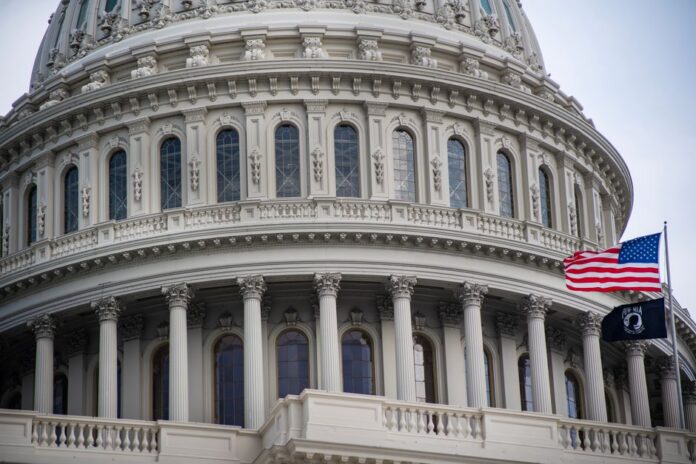
Photo: Ramaz Bluashvili / Pexels
By The News Beacon Newsroom, Politics Desk — Published November 13, 2026
Table of Contents
- Key Takeaways
- The Background & Context
- Why This Matters
- Reactions & Analysis
- What Happens Next
- Frequently Asked Questions
The marble steps of the U.S. Capitol became a stage for tradition early this morning as newly elected House members gathered for their official class photograph. The Washington Post picture captured the moment when dozens of incoming representatives, fresh from their campaign victories in November’s elections, assembled in front of the iconic building where they will soon craft legislation and shape the nation’s political future.
This ceremonial event marks a pivotal transition in American democracy. On January 3, these men and women will raise their right hands and swear to uphold the Constitution, officially joining the 119th Congress. But first comes the photo—a ritual that has documented the changing face of Congress for generations.
The scene unfolded with the practiced choreography of a well-worn tradition. Buses arrived at the Capitol in the early morning hours, disgorging representatives-elect who climbed the historic steps to take their place among colleagues. Some faces were familiar from state legislatures or local government; others represented entirely new voices in American politics. Together, they paused their political battles long enough to smile for posterity.
Key Takeaways
- New House members gathered at the U.S. Capitol for their official class photograph ahead of their January 3 swearing-in ceremony
- The traditional photo session took place early in the morning, with members arriving by bus to climb the iconic House steps
- The class photo represents a long-standing congressional tradition that documents each new cohort of representatives
- These incoming members will officially join the 119th Congress when they take their oath of office in early January
- The photograph captures a moment of unity before the partisan work of legislation and governance begins
- This visual record will serve as a historical document of the makeup of Congress during this political era
The Background & Context
The congressional class photo is more than a simple group portrait. It represents a democratic ritual that connects today’s lawmakers to centuries of American legislative history. Every two years, as the House of Representatives renews itself through elections, this photograph freezes a moment in time—capturing who the American people chose to represent them.
The timing of the photo session reflects the compressed schedule facing new members. Between winning their elections in November and taking office in January, representatives-elect must hire staff, find housing in Washington, attend orientation sessions, and prepare for the legislative challenges ahead. The class photo fits into this whirlwind transition period.
These photographs have become valuable historical documents. Researchers and historians pore over them to track the demographic evolution of Congress. They reveal shifts in gender representation, racial diversity, and generational change. Each photo tells a story about which communities gained voice in the halls of power and which remained underrepresented.
The Capitol steps themselves carry symbolic weight. Millions of Americans have seen these same steps in news footage, inaugural ceremonies, and moments of national crisis. When new members stand there for their photograph, they literally position themselves within this continuum of American governance.
For many first-time representatives, the photo session offers their initial taste of congressional ceremony. The formality contrasts sharply with the often-chaotic campaign trail they just left behind. Gone are the town halls, door-knocking sessions, and frantic fundraising calls. Now comes the structured world of legislative protocol.
Why This Matters
This photograph matters because it represents accountability. Citizens can look at this image and see the people they elected—or didn’t elect. It puts faces to the names on ballots and reminds representatives that they serve at the pleasure of voters who can replace them in the next election cycle.
The class photo also reveals the results of broader electoral trends. Did voters choose to send more political outsiders to Washington? Are there more women or minorities than in previous classes? These visual cues offer insights into the national mood and priorities that shaped the most recent campaign season.
For taxpayers, these smiling faces represent the individuals who will control the federal purse strings. They will vote on budgets, tax policy, and spending priorities that directly affect American wallets. The legislation they craft will influence everything from healthcare costs to infrastructure investments in local communities.
The photograph captures a rare moment of bipartisan normalcy. Politics may be polarized, but picture day brings everyone together. Republicans and Democrats stand side by side, temporarily setting aside their differences. This fleeting unity underscores what has been lost in an era of deep partisan division.
Communities across the nation have a stake in this image. Each representative carries the hopes and concerns of roughly 760,000 constituents. Their success or failure in Congress will ripple through districts from coast to coast, affecting schools, hospitals, businesses, and families.
Reactions & Analysis
The class photo tradition generates mixed reactions from political observers. Some view it as a charming vestige of congressional collegiality—a reminder that representatives can cooperate on at least one thing. Others see it as superficial pageantry that masks the dysfunction plaguing modern legislative bodies.
For the members themselves, the photo session represents a milestone. Many will share the image with constituents back home, using it to reinforce their new status as federal lawmakers. Campaign websites will be updated, office walls decorated, and social media feeds populated with this official portrait.
Political analysts study these photographs for clues about the incoming Congress’s composition. They count members from swing districts, identify caucus leaders, and speculate about coalition-building possibilities. The visual arrangement sometimes hints at emerging alliances or factional divisions within parties.
Veteran members often view the photo with nostalgia, remembering their own first class picture years or decades earlier. The photograph becomes a marker of time’s passage and personnel turnover in an institution designed to balance continuity with democratic renewal.
What Happens Next
The January 3 swearing-in ceremony will transform these photographed individuals from members-elect into full-fledged representatives with voting power. They will immediately face consequential decisions, starting with the election of a House Speaker and the adoption of chamber rules.
Committee assignments will follow, determining which members gain influence over specific policy areas. Some will land coveted spots on powerful panels like Ways and Means or Appropriations. Others will join committees aligned with their districts’ interests or their own expertise.
Legislative battles loom on the horizon. Budget deadlines, debt ceiling negotiations, and partisan priorities will test these new members’ political skills. The unity displayed in their class photo will quickly give way to the rough-and-tumble reality of congressional politics.
For freshman representatives, the learning curve is steep. They must master complex parliamentary procedures, build relationships with colleagues, and deliver results for constituents who expect immediate action on their concerns. The photograph captures them before these pressures fully materialize.
This class will help define the political landscape for at least the next two years. Their votes will shape legislation on critical issues facing the nation. The smiling faces in today’s photograph will become the decision-makers whose choices affect millions of American lives.
Frequently Asked Questions
When will the new House members officially take office?
The newly elected House members will be sworn in on January 3, when the 119th Congress convenes. This date is constitutionally mandated and marks the official beginning of their two-year terms. Until they take the oath of office, they hold the title of representative-elect but have no voting power or official legislative duties.
Why does Congress take a class photo?
The congressional class photo is a long-standing tradition that serves multiple purposes. It creates a historical record of each new Congress, documents the changing demographics and composition of the House, and provides an official portrait for archival and publicity purposes. The photograph also represents a brief moment of bipartisan cooperation and shared ceremony among incoming members.
How often does the House of Representatives get new members?
House elections occur every two years, with all 435 seats up for election simultaneously. This means the entire House membership is renewed biennially, though many incumbents typically win re-election. The frequent election cycle was designed by the framers to keep the House closely responsive to public opinion and current voter preferences.
What happens between election day and the swearing-in ceremony?
Between their November election victories and the January swearing-in, new members participate in orientation programs, hire staff, set up offices, and prepare for their legislative responsibilities. They attend briefings on congressional procedures, ethics rules, and policy issues. Many also spend time in their districts wrapping up previous jobs and preparing for the transition to Washington.
As the new members dispersed from the Capitol steps after their photograph, they carried with them the weight of democratic responsibility. The image captured this morning will endure as a testament to this particular moment in American political history—a snapshot of who we chose to represent us, for better or worse, in the challenging times ahead.


