
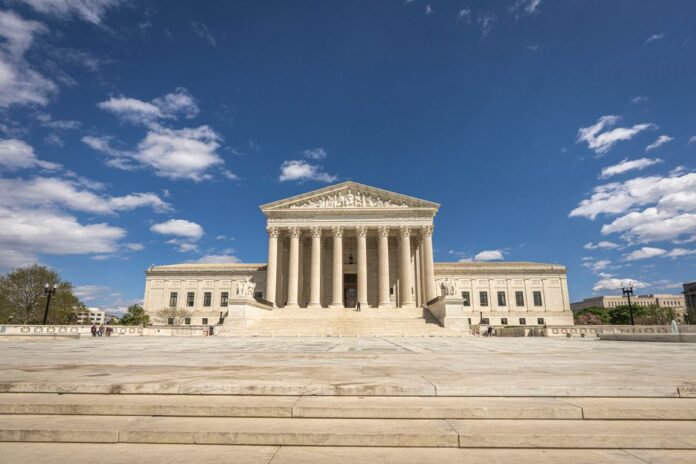
Photo: Mark Stebnicki / Pexels
By The News Beacon Newsroom, National Desk — Published October 22, 2026
Table of Contents
- Key Takeaways
- The Background & Context
- Why This Matters
- Reactions & Analysis
- What Happens Next
- Frequently Asked Questions
The Trump administration asks the nation’s highest court to intervene in a legal battle over border wall construction in one of Texas’s most remote and ecologically sensitive areas. The federal government has filed an emergency petition with the Supreme Court seeking to lift a lower court order that halted construction of a border barrier in the Big Bend region, a sprawling stretch of terrain along the Rio Grande known for its rugged beauty and unique desert ecosystem.
This legal maneuver represents the latest chapter in the administration’s push to expand border infrastructure across the southern frontier. Big Bend, a region that encompasses a national park and vast wilderness areas, has become a flashpoint in debates over immigration enforcement, environmental protection, and federal land management.
The emergency request to the Supreme Court signals the administration’s determination to move forward with wall construction despite legal obstacles. The case raises fundamental questions about executive authority, environmental law, and the balance between national security concerns and conservation priorities.
Key Takeaways
- The Trump administration has filed an emergency petition with the U.S. Supreme Court to resume border wall construction in the Big Bend region of Texas.
- A lower court had previously issued an order halting the construction, prompting the federal government’s appeal to the highest court.
- The Big Bend area is known for its ecological significance, encompassing national park lands and protected wilderness areas along the Rio Grande.
- The legal dispute centers on the administration’s authority to proceed with border infrastructure projects in environmentally sensitive regions.
- The Supreme Court’s decision could have far-reaching implications for border policy and environmental protections on federal lands.
- This case represents a test of executive power to implement immigration enforcement measures over environmental and conservation objections.
The Background & Context
Big Bend sits in far West Texas, where the Rio Grande carves a dramatic bend through desert mountains and canyons. The region includes Big Bend National Park, which draws hundreds of thousands of visitors annually to experience some of the most pristine wilderness remaining in the continental United States. The park’s 800,000 acres contain diverse ecosystems ranging from the Chihuahuan Desert to mountain forests.
Border wall construction in this area has sparked intense controversy. Environmental groups have long warned that physical barriers disrupt wildlife migration patterns, fragment habitats, and alter the natural flow of water in an already arid landscape. Species that depend on cross-border movement, including black bears, mountain lions, and numerous bird species, face additional threats when barriers prevent their traditional ranges.
The Trump administration has made border wall construction a cornerstone of its immigration enforcement strategy. Officials have argued that physical barriers are essential for controlling illegal crossings and drug trafficking. They’ve invoked national security concerns to justify construction even in areas where terrain already presents natural obstacles to unauthorized entry.
Previous administrations have built border barriers in more populated areas, but extending walls into remote wilderness regions represents a significant expansion. The Big Bend area sees relatively few illegal crossings compared to urban border zones, making the security justification more contested.
Legal challenges have dogged border wall projects throughout the administration. Courts have weighed in on questions ranging from funding sources to environmental review requirements. The current case adds another layer to this ongoing legal saga.
Why This Matters
This Supreme Court petition carries implications that extend far beyond one section of border wall. At stake are questions about how much authority the executive branch holds to override environmental protections in the name of national security. The case tests whether immigration enforcement priorities can supersede conservation laws designed to protect public lands and endangered species.
For taxpayers, the financial dimensions are significant. Border wall construction requires substantial federal funding, and legal battles add costs through litigation and potential project delays. Citizens have a stake in understanding how their tax dollars are allocated between competing priorities like border security and environmental stewardship.
The decision affects communities along the border who depend on both security and the natural resources that sustain local economies. Tourism in Big Bend generates millions of dollars annually. Ranchers and landowners in the region navigate complex relationships with federal land managers and border enforcement agencies.
Environmentalists view the case as a bellwether for how courts will balance security concerns against ecological protection. A ruling favoring the administration could set precedents making it easier for future projects to bypass environmental review processes. Conversely, a decision upholding the halt could strengthen protections for sensitive areas.
The Supreme Court’s handling of the emergency request will also signal how the justices view executive authority on immigration matters. The court has already ruled on various aspects of immigration policy during this administration, and this case adds another dimension to that jurisprudence.
Reactions & Analysis
The administration’s decision to seek Supreme Court intervention demonstrates its urgency in moving forward with construction. Emergency petitions to the high court are typically reserved for situations where officials believe immediate action is necessary to prevent irreparable harm or where significant government interests are at stake.
Legal experts note that the Supreme Court’s current composition may influence the outcome. The court has shown varying degrees of deference to executive branch decisions on immigration and national security matters. How the justices balance those considerations against environmental and administrative law questions remains to be seen.
Environmental advocates have consistently opposed border wall construction in pristine wilderness areas. They argue that the ecological damage from construction would be permanent and irreversible. The disruption to wildlife corridors, they contend, threatens species already stressed by climate change and habitat loss.
Border security proponents maintain that physical barriers remain necessary tools for controlling illegal immigration and drug smuggling. They point to data showing that walls reduce crossings in areas where they’re installed, though critics dispute whether this represents genuine reduction or merely displacement to other areas.
Local voices in the Big Bend region remain divided. Some residents support enhanced border security measures, while others prioritize preserving the natural character of the landscape that defines their community. The region’s economy depends heavily on tourism drawn to unspoiled vistas and outdoor recreation opportunities.
What Happens Next
The Supreme Court will now decide whether to grant the administration’s emergency request. The justices could allow construction to proceed while legal challenges continue, or they could maintain the current halt pending full resolution of the underlying case. They might also decline to intervene, leaving the lower court’s order in place.
If construction resumes, contractors would mobilize equipment and personnel to begin building in one of the most logistically challenging environments along the entire southern border. The remote terrain presents significant engineering obstacles, and construction would likely proceed slowly despite any legal green light.
Environmental groups would almost certainly continue their legal fight through other channels even if they lose this round. Additional lawsuits challenging specific aspects of the project could follow, potentially creating new opportunities for judicial review.
The case may also influence how future administrations approach border infrastructure projects. A Supreme Court ruling establishing clear parameters for when security concerns can override environmental protections would shape policy debates for years to come.
Congressional oversight could intensify depending on the court’s decision. Lawmakers from both parties have expressed interest in border policy, though they remain deeply divided on the appropriate approach. A high-profile Supreme Court case may prompt renewed legislative attention.
Frequently Asked Questions
What is the Big Bend region and why is it significant?
Big Bend is a remote area in far West Texas where the Rio Grande makes a dramatic curve through desert mountains. The region includes Big Bend National Park, one of the largest and most pristine wilderness areas in the United States. The area is ecologically significant for its diverse desert and mountain ecosystems, and it serves as critical habitat for numerous wildlife species. Its remote location and natural beauty make it a popular destination for outdoor recreation and tourism.
Why did a lower court halt the border wall construction?
While the specific details of the lower court’s reasoning are not fully outlined in available reports, such orders typically involve concerns about environmental law compliance, proper administrative procedures, or questions about the legal authority to proceed with construction. Courts have halted various border wall projects when they found potential violations of environmental review requirements or other legal protections for federal lands and wildlife.
How does the Supreme Court handle emergency requests like this one?
The Supreme Court can act relatively quickly on emergency petitions, sometimes issuing decisions within days or weeks rather than the months or years typical cases require. The justices evaluate whether immediate action is necessary and whether the requesting party has shown sufficient likelihood of success on the merits. They may grant full relief, partial relief, or deny the request entirely. These decisions often come with limited explanation and can be made by individual justices or the full court.
What are the broader implications of this case for border policy?
This case tests the limits of executive authority to implement border security measures in environmentally sensitive areas. The Supreme Court’s decision could establish important precedents about how courts balance national security concerns against environmental protections and administrative law requirements. The outcome may influence not only border wall construction but also how future administrations approach infrastructure projects on federal lands when security and conservation interests conflict.
The Supreme Court’s decision on this emergency petition will arrive at a moment when border policy remains among the most contentious issues in American politics. Whatever the justices decide, the Big Bend case will add another chapter to the ongoing national debate about how to secure borders while preserving the natural heritage that belongs to all Americans.


