
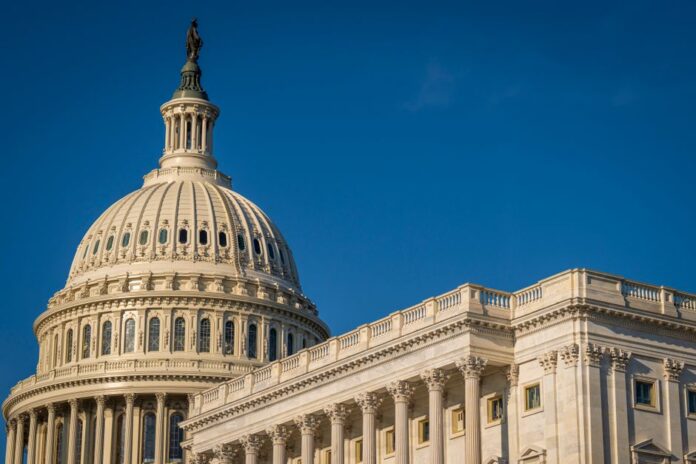
Photo: Mark Stebnicki / Pexels
By The News Beacon Newsroom, Politics Desk — Published October 12, 2026
Table of Contents
- Senate Collins Often Navigates a Narrow Political Path
- The Background & Context
- Why This Matters
- Reactions & Analysis
- What Happens Next
- Frequently Asked Questions
Senator Susan Collins of Maine has carved out a peculiar political identity in the modern Republican Party. She voices concerns. She furrows her brow. She sometimes votes “no.” Yet when the dust settles, the policies she publicly questions often move forward anyway. This pattern—defiance without disruption—has defined her tenure during the Trump era and now shapes her party’s fractured response to the former president’s continued influence over GOP politics.
The dynamic is playing out again as Republicans grapple with internal divisions over policy and presidential power. While some lawmakers who opposed Trump saw their careers end abruptly, Collins has survived, even thrived. Her approach offers a case study in how a senator can maintain a reputation for independence while rarely derailing the broader party agenda. For voters trying to understand how Congress actually works—and why their elected officials’ stated concerns don’t always translate into changed outcomes—the Collins model reveals much about institutional power and political calculation.
Recent fractures within the GOP have brought this tension into sharper focus. As Republicans push back on issues ranging from Greenland policy to Venezuela strategy and health care legislation, Collins’ role illustrates a broader question: Does symbolic opposition matter if it doesn’t change results?
Senate Collins Often Navigates a Narrow Political Path
- Senator Collins has built a brand on expressing concerns about Trump-era policies while often declining to block them through legislative action.
- Her political survival contrasts sharply with Republicans whose careers ended after more forceful opposition to the former president.
- Recent GOP divisions over foreign policy initiatives and domestic legislation highlight ongoing tensions between party loyalty and individual conscience.
- Collins’ approach may actually benefit her politically in Maine, where voters value perceived independence even when it doesn’t produce different outcomes.
- The pattern reveals how Senate procedures allow individual senators to voice dissent without necessarily wielding the power to stop majority-backed initiatives.
- Her example demonstrates the gap between political theater and substantive legislative obstruction in the modern Congress.
The Background & Context
Susan Collins has represented Maine in the Senate since 1997, building a reputation as a moderate Republican in an increasingly polarized institution. Her state’s political culture rewards independence—Maine voters have shown willingness to split tickets and support candidates who break from party orthodoxy. This electoral reality has given Collins more room to maneuver than colleagues from safely red states.
During Trump’s presidency, Collins became known for a particular dance. She would express reservations about presidential actions or Republican legislation. Media coverage would spotlight her as a potential swing vote. Then, more often than not, the policy would advance—either with her eventual support or without her vote mattering to the final tally.
This pattern played out on major legislation and appointments. Collins might publicly wrestle with a decision, garnering attention for her deliberations, but the ultimate outcome rarely hinged on her final choice. Whether this represented genuine deliberation or calculated positioning became a subject of debate among political observers and constituents alike.
Other Republicans who took harder stances against Trump faced different fates entirely. Primary challenges, loss of committee assignments, and retirement under pressure marked the paths of those who crossed the former president more definitively. The contrast between their trajectories and Collins’ continued presence in the Senate speaks volumes about the mechanics of political survival in the modern GOP.
Now, as fresh divisions emerge within Republican ranks over policy questions, the same dynamics are resurfacing. Reports indicate Republicans are pushing back on issues including Greenland, Venezuela policy, and health care approaches. These fractures test whether the party’s occasional dissidents will merely voice concerns or actually use their legislative power to force different outcomes.
Why This Matters
For American voters, understanding the Collins phenomenon matters because it illuminates how power actually operates in Congress. The Senate is not a simple up-or-down voting body. Procedure, committee assignments, party leadership pressure, and the strategic timing of votes all shape outcomes in ways that aren’t always visible to the public.
A senator can vote “no” on a bill that passes anyway, allowing them to tell constituents they opposed it while avoiding the political cost of actually blocking their party’s agenda. This creates a gap between the appearance of independence and the reality of legislative impact. Voters deserve to understand this distinction when evaluating their representatives’ records.
The pattern also affects policy outcomes that touch millions of lives. Health care legislation, judicial appointments, foreign policy decisions—these aren’t abstract matters. When a senator expresses concern but doesn’t ultimately prevent a controversial policy from advancing, real people experience real consequences. Families lose coverage. Courts shift ideologically. International relationships change.
Campaign dynamics are affected too. Collins’ ability to maintain her seat despite this record suggests that perceived moderation may matter more to some electorates than actual legislative obstruction. This incentive structure shapes how other senators in competitive states approach their own political calculations. If symbolic independence works electorally, why take the greater risk of genuine defiance?
The current GOP fractures over issues like Greenland and Venezuela policy will test whether this model continues to hold. If more Republicans begin pushing back substantively rather than symbolically, the party’s ability to maintain unity on key votes could erode. That would represent a significant shift in how Congress functions and how much power individual members can wield against party leadership.
Reactions & Analysis
Political observers have noted the paradox at the heart of Collins’ political brand. She has cultivated an image as someone willing to stand apart from her party, yet her votes rarely prove decisive in stopping Republican initiatives. This has led to criticism from progressive activists who view her independence as more performance than substance, while also drawing scrutiny from conservatives who question why she breaks ranks at all.
The fact that defying Trump ended some Republicans’ careers while potentially helping Collins suggests the calculation is highly dependent on local political conditions. Maine’s electorate appears to reward the appearance of thoughtful independence, even when that independence doesn’t translate into blocking party priorities. Other states with different political cultures might punish the same behavior—or demand more forceful opposition.
As fractures show in Trump’s grip on the GOP, with some Republicans pushing back on foreign policy adventures and health care approaches, the question becomes whether this represents a meaningful shift or another round of symbolic resistance. The difference matters enormously for legislative outcomes and for voters trying to hold their representatives accountable.
Congressional scholars point out that the Senate’s rules give individual members significant power to slow or stop legislation through procedural means. A senator determined to block something can usually find ways to do so, especially in a closely divided chamber. When measures advance despite expressed concerns, it often means those concerns weren’t strong enough to justify using available tools to actually obstruct.
What Happens Next
The emerging divisions within the Republican Party over policy questions will test whether the Collins model of soft opposition continues to satisfy voters and maintain political viability. If constituents begin demanding that expressed concerns translate into actual legislative roadblocks, senators may face pressure to move beyond symbolic gestures.
Upcoming elections will provide data on whether voters reward perceived independence or demand proof that their senators’ stated positions produce different outcomes. Maine’s next Senate race will be particularly telling, as Collins’ record of defying Trump without stopping him faces electoral judgment.
The broader question for Congress is whether individual senators will begin using their institutional power more aggressively to check party leadership and presidential overreach. The Senate was designed to be a deliberative body where individual members could resist majoritarian pressure. Whether that design function will reassert itself depends partly on whether political incentives shift to reward substantive rather than symbolic independence.
For legislation on health care, foreign policy, and other contentious issues, the willingness of Republicans to push back—not just rhetorically but through procedural obstruction—will determine whether the reported fractures in party unity actually produce different policy outcomes. Voters and advocacy groups will be watching to see if this time is different, or if the familiar pattern of concern followed by acquiescence repeats once more.
Frequently Asked Questions
Why does Senator Collins vote against her party sometimes but not stop legislation?
Senate procedures require different levels of opposition to slow or stop legislation. A single “no” vote registers dissent but doesn’t block a bill if enough other senators support it. Actually stopping legislation requires using procedural tools like filibusters, holds, or organizing a blocking coalition—tactics that carry greater political risk and require more commitment than simply voting “no” on final passage.
How did defying Trump affect other Republicans differently than Collins?
Republicans who opposed Trump more forcefully often faced primary challenges from Trump-endorsed candidates, loss of committee positions, or pressure to retire. Collins’ more measured approach—expressing concerns while rarely organizing sustained opposition—allowed her to maintain her seat and standing. Her Maine constituency appears to value perceived independence even when it doesn’t change outcomes, while voters in other states punished anti-Trump positions more severely.
What are the current fractures in the Republican Party about?
Recent reports indicate Republicans are pushing back on various policy issues including approaches to Greenland, Venezuela strategy, and health care legislation. These divisions suggest that Trump’s influence over GOP policy positions may be facing more resistance than in previous years, though whether this resistance translates into actual legislative obstruction remains to be seen.
Does symbolic opposition in Congress matter if it doesn’t change outcomes?
This question divides political observers. Some argue that public dissent creates a record that can influence future debates and signal to constituents that their concerns are heard. Others contend that opposition without substantive action is merely political theater that allows senators to have it both ways—appearing independent while not actually risking party relationships or legislative priorities. The answer may depend on whether voters reward the appearance of independence or demand proof of impact.
As Congress continues to grapple with deep partisan divisions and questions of institutional power, the Collins model will remain a subject of scrutiny. Whether her approach represents savvy political survival or a failure of legislative courage depends largely on what voters believe their senators owe them: the appearance of thoughtful independence, or the harder work of actually changing outcomes when principles demand it.


