
Photo: Martin.que / Pexels
By The News Beacon Newsroom, Entertainment Desk — Published October 21, 2026
Table of Contents
- Key Takeaways
- The Background & Context
- Why This Matters
- Reactions & Analysis
- What Happens Next
- Frequently Asked Questions
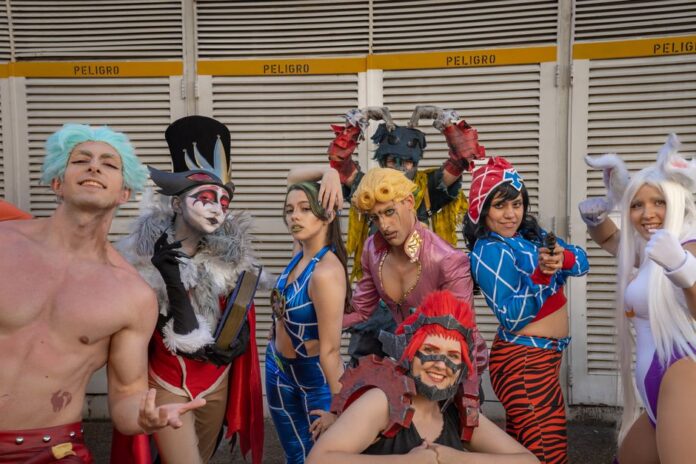
Halloween has always been a stage for self-expression, but in recent years, queer communities have transformed the holiday into something far more elaborate: a cultural referendum on who can reference the most obscure pop culture moment. The hyperspecific meme centric costume phenomenon has reached fever pitch, with LGBTQ+ revelers constructing outfits so niche that understanding them requires advanced degrees in streaming platforms, social media archaeology, and reality television history.
The trend represents more than just creative costuming. It’s a form of cultural code-switching that separates the chronically online from the blissfully disconnected. While straight Halloween typically traffics in generic witches and store-bought superhero outfits, queer Halloween—affectionately dubbed “Gay Halloween” by participants and observers alike—has become an arms race of cultural literacy, where the most celebrated costumes reference fleeting moments from TikTok, reality TV confessionals, or celebrity meltdowns that lasted exactly 72 hours before the news cycle moved on.
According to reports highlighting this phenomenon, the costumes have become so specialized that they’ve spawned their own meta-commentary, with memes about hyperspecific queer Halloween costumes circulating almost as widely as the costumes themselves. The phrase “I hate Gay Halloween” has emerged as both genuine complaint and badge of honor—a way for participants to acknowledge the absurdity while simultaneously celebrating the creativity required to pull off a costume that perhaps twelve people on Earth will immediately recognize.
Key Takeaways
- Hyperspecific meme centric costumes have become the defining characteristic of queer Halloween celebrations, requiring deep knowledge of pop culture, streaming entertainment, and viral moments
- The trend has spawned widespread social media discussion, with memes about the phenomenon becoming nearly as popular as the costumes themselves
- Queer celebrities have participated enthusiastically in this tradition, with notable costume choices documented in previous years that set the standard for cultural references
- The costumes serve as both entertainment and a form of community identification, creating insider recognition among those fluent in LGBTQ+ cultural touchstones
- The phrase “I hate Gay Halloween” has become an ironic celebration of the elaborate, often incomprehensible nature of these costume choices
- The phenomenon reflects broader shifts in how communities use pop culture references as social currency and identity markers
The Background & Context
Halloween has long held special significance within LGBTQ+ communities. For decades, the holiday provided one of the few socially acceptable opportunities for gender nonconformity and theatrical self-expression. Drag culture and Halloween culture have been intertwined since at least the mid-20th century, with costume balls and parties serving as important gathering spaces for queer people.
But something shifted in the age of streaming television and social media. The explosion of content across platforms created an environment where cultural references multiplied exponentially. A single season of reality TV could generate dozens of meme-worthy moments. A celebrity interview could spawn weeks of TikTok recreations. A movie release could birth countless reaction images and catchphrases.
Queer communities, often early adopters of internet culture and known for their encyclopedic knowledge of pop culture, seized on this abundance. Halloween costumes evolved from broad archetypes to laser-focused recreations of specific moments. Why dress as a generic pop star when you could dress as that pop star during that specific performance where that specific thing happened that everyone talked about for exactly four days?
Reports documenting queer celebrity costumes from previous years show how this trend has been building. Public figures within LGBTQ+ communities have consistently pushed the boundaries of specificity, creating costumes that require viewers to have watched particular episodes of particular shows or to have been online during particular viral moments. These celebrity examples set benchmarks that regular partygoers then attempt to meet or exceed.
The entertainment industry’s role cannot be understated. The proliferation of streaming services means more content than any human can reasonably consume. Reality television has become increasingly baroque and self-referential. Movies and TV shows generate instant meme content before episodes even finish airing. This creates a vast library of potential costume inspiration—but only for those paying close attention.
Why This Matters
At first glance, Halloween costumes might seem trivial. They’re not. The hyperspecific meme centric costume trend reveals significant cultural dynamics that extend well beyond a single holiday.
First, these costumes demonstrate how communities create and maintain boundaries through shared knowledge. In an era when LGBTQ+ identity has become more visible and, in some ways, more mainstream, these highly specific cultural references serve as markers of belonging. Understanding the costume means you’re part of the conversation. Missing the reference marks you as outside the community or at least outside its most engaged circles.
Second, the phenomenon highlights the acceleration of cultural consumption and the shortened lifespan of viral moments. A costume referencing a meme from six months ago might already feel dated. This rapid turnover creates pressure to stay constantly engaged with entertainment and pop culture, turning leisure activities into a form of social labor.
Third, the trend reflects broader questions about authenticity and performance in digital spaces. These costumes are designed primarily to be photographed and shared on social media. They’re optimized for recognition within specific online communities. The costume’s success is measured not by how it looks in person but by how many people comment “SCREAMING” or “NOT THIS” on the Instagram post.
For the entertainment industry, this represents both opportunity and challenge. Studios and streaming platforms benefit from the free marketing as fans recreate and celebrate their content. But the hyperspecific nature of the references also reveals how fragmented audiences have become. There are fewer shared cultural touchstones and more micro-communities clustering around particular shows, personalities, or platforms.
The economic implications are real too. These elaborate costumes often require significant investment in time and money. Participants scour thrift stores, commission custom pieces, and dedicate hours to perfecting hair and makeup. This drives consumer spending while also creating informal economies around costume creation and consultation.
Reactions & Analysis
The response to hyperspecific queer Halloween costumes has been decidedly mixed, even within LGBTQ+ communities themselves. As noted in reports about memes surrounding the phenomenon, the accuracy of these observations has resonated widely, suggesting that many people recognize themselves in both the costume creators and the bewildered observers.
Supporters argue that these costumes represent the apex of creative expression. They celebrate the artistry required to distill a complex cultural moment into a recognizable visual package. They point out that the specificity demonstrates genuine engagement with entertainment and pop culture, rather than passive consumption. For many participants, creating these costumes is a form of fan art, a way to honor the movies, TV shows, and streaming content that provide comfort, community, and joy.
Critics, even friendly ones, express exhaustion with the escalating specificity arms race. The phrase “I hate Gay Halloween” captures this ambivalence—a mix of admiration, frustration, and self-aware humor. Some argue that the trend has become exclusionary, creating hierarchies based on who has the most time to consume content and the most resources to execute elaborate costumes. Others worry that the focus on social media recognition has overshadowed the simple pleasure of dressing up and celebrating with friends.
Cultural commentators see the phenomenon as emblematic of broader internet culture. The costumes reflect how online communities communicate through layers of irony and reference. They demonstrate the gamification of social interaction, where success is measured in likes, shares, and recognition from peers. They also reveal generational divides, with younger participants more fluent in the rapid-fire meme culture that produces these costume ideas.
The entertainment industry has largely embraced the trend. Studios and streaming services frequently reshare photos of fans in hyperspecific costumes, recognizing the value of such dedicated engagement. Reality television producers in particular have benefited, as their shows generate an outsized proportion of costume-worthy moments.
What Happens Next
The trajectory of hyperspecific meme centric costumes remains unclear, but several possibilities emerge. The trend could continue escalating, with costumes becoming even more obscure and requiring even deeper knowledge of pop culture minutiae. Already, some costume creators are moving beyond simple recreations to create meta-costumes—dressing as memes about costumes or as the concept of hyperspecificity itself.
Alternatively, the phenomenon could face a backlash. As with many internet trends, there’s a risk of exhaustion. Participants might tire of the pressure to stay constantly informed and the implicit competition to demonstrate cultural literacy. A return to simpler, more accessible costume choices could represent a rejection of the performative aspects of social media culture.
The entertainment industry will likely continue adapting to this reality. Expect studios to create more “costume-ready” moments in their content, knowing that memorable visuals and quotable lines will generate organic marketing during Halloween season. Some platforms might even develop costume guides or behind-the-scenes content specifically designed to help fans recreate looks.
Technology may play a role too. As artificial intelligence tools become more sophisticated, creating elaborate costumes might become easier, potentially democratizing access to hyperspecific costume creation. Conversely, this could devalue the artistry currently celebrated in hand-crafted costumes.
The broader cultural implications will persist regardless. These costumes will continue serving as markers of community belonging and shared experience. They’ll remain a lens through which to examine how we consume entertainment, construct identity, and navigate the increasingly blurred lines between online and offline life.
Frequently Asked Questions
What makes a Halloween costume “hyperspecific” in the queer context?
A hyperspecific costume references a very particular moment from pop culture, entertainment, or viral media rather than a general character or concept. Instead of dressing as a celebrity, someone might dress as that celebrity during a specific interview where they wore a memorable outfit and said something that became a meme. The costume requires detailed knowledge of streaming shows, movies, reality TV, or social media moments to be recognized, making it accessible primarily to those deeply engaged with these cultural touchstones.
Why is this phenomenon particularly associated with LGBTQ+ communities?
Queer communities have historically used pop culture fluency as a form of social currency and community identification. Halloween has long been an important holiday for LGBTQ+ self-expression. The combination of these factors, along with queer communities’ early adoption of internet culture and tendency toward theatrical presentation, has made hyperspecific costume creation particularly prevalent in these spaces. The costumes serve both as entertainment and as markers of belonging within community networks.
What does “I hate Gay Halloween” actually mean?
The phrase is typically used ironically by people within LGBTQ+ communities to express simultaneous admiration and exasperation at hyperspecific costume choices. It acknowledges that these costumes have become so elaborate and obscure that understanding them requires extensive knowledge of pop culture and streaming entertainment. Rather than genuine hatred, the phrase usually conveys affectionate frustration—a recognition that the bar for costume creativity has been set impossibly high while also celebrating the artistry involved.
How do these costumes relate to broader entertainment and streaming culture?
The hyperspecific costume trend directly reflects how streaming platforms and social media have fragmented entertainment consumption. With countless shows across multiple platforms and viral moments constantly emerging and fading, there’s an endless supply of potential costume references. This abundance allows for increasingly niche choices but also creates pressure to stay constantly engaged with entertainment content. The costumes essentially function as physical manifestations of how we consume and process the overwhelming volume of media available in the streaming era.
As another Halloween season approaches, the hyperspecific meme centric costume tradition shows no signs of slowing. Whether celebrated or lamented, these elaborate creations have become an indelible part of contemporary queer culture and a fascinating window into how communities use entertainment, pop culture, and shared references to build connection in an increasingly digital world. The costumes may be exhausting to explain, but they’re undeniably here to stay.


