
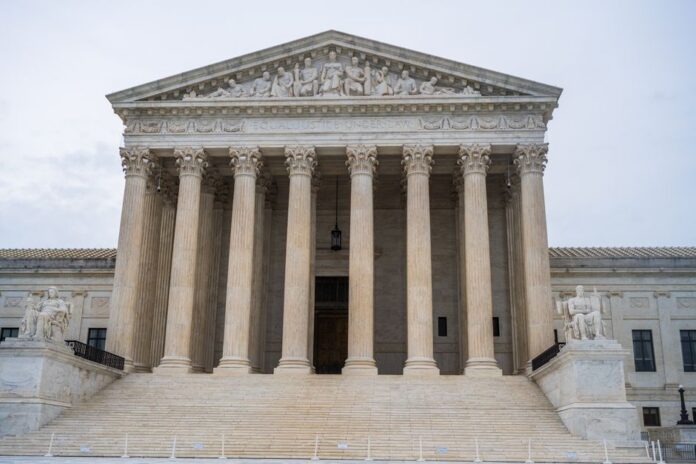
Photo: Guohua Song / Pexels
By The News Beacon Newsroom, National Desk — Published October 18, 2026
Table of Contents
- Key Takeaways
- The Background & Context
- Why This Matters
- Reactions & Analysis
- What Happens Next
- Frequently Asked Questions
A federal appeals court has raised pointed questions about the Justice Department’s assertion that former President Donald Trump retains ownership of records created during his White House tenure. The legal challenge strikes at the heart of presidential record-keeping and government transparency. While specific details of the court proceedings remain limited, the case represents a critical examination of who controls documents generated by the executive branch.
This development comes as the appeals court questions fundamental assumptions about presidential materials and their proper custody after an administration ends. The dispute has far-reaching implications for how the federal government manages historical records and whether former presidents can claim personal ownership of documents created in their official capacity.
The timing of this legal scrutiny coincides with broader tensions between the Trump administration and media organizations, including ongoing litigation over White House press access. Three news outlets have filed suit to regain their credentials, highlighting fractures in the relationship between the executive branch and the press corps tasked with covering it.
Key Takeaways
- An appeals court is scrutinizing the Justice Department’s position that Trump owns White House records from his presidency
- The legal challenge raises fundamental questions about presidential document ownership and government transparency
- Three news organizations have separately sued to restore their White House press access, reflecting broader media-administration tensions
- The case could set precedent for how presidential materials are classified and controlled after an administration concludes
- The dispute involves interpretation of federal record-keeping laws and their application to former presidents
- Trump has maintained an unconventional rapport with certain political figures, including New York politician Mamdani, even as legal battles unfold
The Background & Context
Presidential records have long occupied a complicated space in American governance. For decades, outgoing presidents treated White House documents as personal property. That changed in 1978 when Congress passed the Presidential Records Act following the Watergate scandal and Richard Nixon’s attempt to destroy tapes and documents.
The law established that presidential records belong to the American people, not to individual officeholders. Under its provisions, records must be transferred to the National Archives at the end of each administration. Former presidents can request access to their records, but ownership rests with the federal government.
The current dispute appears to center on whether the Justice Department can successfully argue that Trump retains ownership of materials created during his time in office. Such a claim would represent a significant departure from established precedent. The appeals court’s skepticism suggests judges may view this position as inconsistent with the Presidential Records Act’s clear language and intent.
Federal courts have historically deferred to the National Archives on questions of document custody and classification. The current case, however, forces judges to examine whether exceptions exist or whether the Justice Department’s interpretation stretches statutory language beyond its intended meaning.
This legal battle unfolds against a backdrop of other Trump-related document controversies. The former president has faced scrutiny over his handling of classified materials and his compliance with record-keeping requirements. Each case adds layers to an already complex legal landscape.
Why This Matters
American citizens have a stake in this outcome. Presidential records serve as the raw material of history. They document decisions that affect millions of lives, from war declarations to economic policies to civil rights protections.
When former presidents claim ownership of these materials, they potentially limit public access indefinitely. Researchers, journalists, and citizens rely on presidential archives to understand how their government functioned. Transparency suffers when documents disappear into private collections.
The appeals court’s questions signal that judges recognize these broader implications. A ruling favoring Trump’s claimed ownership could encourage future presidents to assert similar control over their records. The precedent would weaken the Presidential Records Act and reverse decades of progress toward government openness.
Taxpayers fund the creation of presidential records. White House staff members who draft memos, prepare briefing books, and document meetings receive government salaries. The notion that these publicly funded materials become private property raises fundamental fairness questions.
National security considerations also loom large. Presidential records often contain classified information about military operations, intelligence sources, and diplomatic negotiations. Proper custody ensures that sensitive materials receive appropriate protection and that declassification follows established procedures rather than individual whim.
The case tests whether the rule of law applies equally to former presidents. If the Justice Department’s position prevails, it would create a special exemption for Trump that other government officials do not enjoy. Federal employees at every level face strict requirements about document handling and retention. A two-tiered system would undermine public confidence in equal justice.
Reactions & Analysis
The appeals court’s skeptical questioning suggests judges may not accept the Justice Department’s arguments at face value. Courts typically probe weak legal theories through pointed inquiries during oral arguments. The reported questioning indicates that judges see potential flaws in the ownership claim.
Legal experts have long maintained that the Presidential Records Act leaves little room for interpretation. The statute explicitly states that presidential records are government property. Arguing otherwise requires creative legal reasoning that may not withstand judicial scrutiny.
Meanwhile, the separate lawsuit by three news outlets to regain White House access reflects deteriorating press relations. Media organizations serve as watchdogs, holding government accountable to citizens. When administrations restrict access, they limit the public’s ability to monitor executive branch activities.
The convergence of these cases—one about document ownership, another about press access—paints a picture of an administration testing traditional boundaries. Both situations involve transparency and the public’s right to information about government operations.
Trump’s continued political engagement, including his reported rapport with New York politician Mamdani, demonstrates that he remains an active force in American politics despite legal challenges. This unusual relationship highlights Trump’s unconventional approach to political alliances and coalition-building.
What Happens Next
The appeals court will eventually issue a written ruling on the document ownership question. That decision could come within weeks or months, depending on the complexity of the legal issues and the court’s workload.
If the court rejects the Justice Department’s ownership claim, Trump may appeal to the Supreme Court. The nation’s highest court would then decide whether to hear the case. Given the constitutional and statutory questions involved, the Supreme Court might view the dispute as worthy of review.
A final ruling against Trump would affirm that presidential records belong to the government and must be properly archived. Such an outcome would reinforce the Presidential Records Act and maintain existing transparency protections. It would also establish clear precedent for future disputes.
Conversely, a ruling favoring Trump’s ownership claim would revolutionize presidential record-keeping. Future presidents might assert similar control over their documents, fundamentally altering how Americans access historical materials. Congress might respond with legislation to clarify or strengthen the Presidential Records Act.
The parallel lawsuit over White House press credentials will proceed on its own timeline. Courts have historically protected press access as essential to First Amendment freedoms. The news outlets likely have strong legal grounds for restoration of their credentials, though the specific facts of each case will determine outcomes.
These legal battles will continue to shape the relationship between the executive branch, the media, and the public. They test whether traditional norms and legal frameworks can withstand pressure from an administration willing to challenge established practices.
Frequently Asked Questions
What is the Presidential Records Act?
The Presidential Records Act, passed in 1978, establishes that documents created by presidents and their staff during their time in office belong to the federal government, not to individual presidents. The law requires that these records be transferred to the National Archives at the end of each administration, ensuring public ownership and eventual access to historical materials that document executive branch decision-making.
Why are presidential records important to the public?
Presidential records provide the foundation for understanding how major government decisions were made. Historians, journalists, and citizens use these documents to research policy development, evaluate presidential performance, and hold government accountable. Access to these materials ensures transparency and helps future generations learn from past successes and mistakes. Without proper preservation and public ownership, crucial historical information could be lost or hidden.
Can the Supreme Court get involved in this case?
Yes, the losing party in the appeals court case can petition the Supreme Court to review the decision. The Supreme Court has discretion to accept or decline the case. Given the significant constitutional and statutory questions about presidential records and government transparency, the Supreme Court might choose to hear the dispute if it believes the issues merit the nation’s highest court attention or if lower courts have issued conflicting rulings.
How does this relate to the lawsuit over White House press access?
Both cases involve questions of transparency and the public’s right to information about government activities. The document ownership dispute concerns access to historical records, while the press credential lawsuit addresses real-time reporting on current executive branch actions. Together, they reflect broader tensions between the administration and mechanisms designed to ensure government accountability to citizens. Both situations test whether traditional transparency protections will be maintained or weakened.
As these legal proceedings unfold, Americans should pay attention. The outcomes will determine not just how we understand the Trump presidency, but how transparent all future administrations must be. Democracy depends on informed citizens, and informed citizens need access to the records that document how their government operates. The appeals court’s questions suggest that at least some judges understand what’s at stake.


