
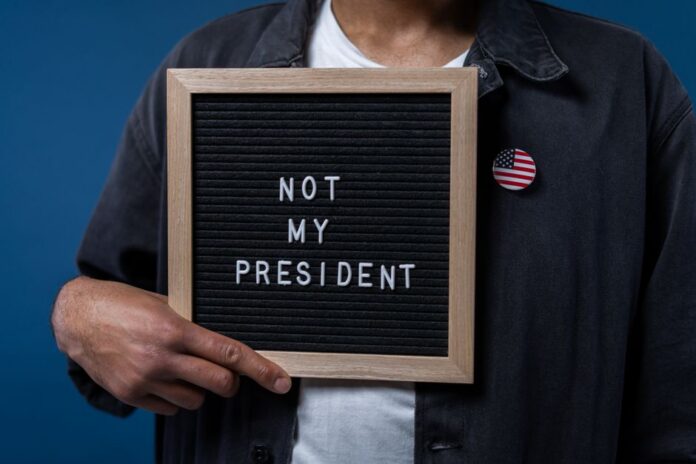
Photo: cottonbro studio / Pexels
By The News Beacon Newsroom, Politics Desk — Published October 30, 2026
Table of Contents
- Key Takeaways
- The Background & Context
- Why This Matters
- Reactions & Analysis
- What Happens Next
- Frequently Asked Questions
Alaska’s Senate race has erupted into a political firestorm. Republicans seize controversy surrounding allegations of ballot manipulation and same-name candidate confusion, demanding investigations that could reshape one of the nation’s most unpredictable electoral contests. The state’s governor has ordered a criminal probe into irregularities that have thrust this remote battleground into the national spotlight.
The controversy centers on questions about whether candidates with similar or identical names were recruited to confuse voters and siphon support from legitimate contenders. Such tactics, if proven, would represent a serious breach of electoral integrity in a state known for its independent-minded electorate and unique ranked-choice voting system.
Alaska Governor Mike Dunleavy’s announcement of a criminal investigation has elevated what might have been a regional political squabble into a matter of national significance. As Congress remains narrowly divided and every Senate seat carries outsized importance for legislation and judicial confirmations, the integrity of Alaska’s electoral process now matters far beyond the Last Frontier’s borders.
Key Takeaways
- Alaska’s governor has ordered a criminal investigation into alleged irregularities in the state’s closely watched Senate race, focusing on same-name candidate controversy.
- Republicans have seized on the controversy as evidence of potential ballot manipulation designed to confuse voters and dilute support for specific candidates.
- The investigation centers on whether candidates with similar or identical names were strategically recruited to influence election outcomes.
- Alaska’s unique ranked-choice voting system makes the state’s electoral contests particularly susceptible to confusion over candidate names and identities.
- The controversy has national implications for Senate control and the broader debate over election integrity in American politics.
- The probe comes as Alaska continues to be one of the most unpredictable and closely monitored electoral battlegrounds in the country.
The Background & Context
Alaska has long occupied a unique position in American electoral politics. The state’s small population, independent political culture, and recent adoption of ranked-choice voting have made it a laboratory for alternative electoral systems. Under ranked-choice rules, voters rank candidates by preference rather than selecting just one. If no candidate wins a majority of first-choice votes, the lowest-performing candidates are eliminated and their supporters’ second choices are redistributed until someone crosses the fifty-percent threshold.
This system was designed to ensure winners have broad support and to reduce negative campaigning. But critics have warned that it introduces new vulnerabilities. Chief among these concerns: voter confusion about how the system works and who the candidates actually are.
The same-name controversy taps into deeper anxieties about ballot access and candidate recruitment. In several states across the country, allegations have surfaced in recent election cycles that operatives recruited “spoiler” candidates—individuals with little genuine interest in serving but whose presence on the ballot could split votes or confuse voters. Sometimes these candidates share names with better-known politicians or community figures.
Alaska’s political landscape has been particularly volatile in recent years. The state has produced surprise upsets and close contests that defied conventional political wisdom. Independent and third-party candidates have performed unusually well, and traditional party loyalty has proven less predictive than in most other states. This fluidity makes Alaska’s races especially sensitive to any factor that might tip the balance—including voter confusion over candidate identity.
The Senate seat in question carries enormous weight. With the upper chamber often divided by razor-thin margins, a single seat can determine which party controls the legislative agenda, which judges get confirmed, and whether major legislation advances or stalls. Alaska’s Senate delegation has historically played an outsized role in national politics, leveraging the state’s strategic importance and natural resources to punch above its population weight.
Why This Matters
Electoral integrity forms the bedrock of democratic governance. When voters lose confidence that elections are fair, free, and transparent, the entire system’s legitimacy comes under question. The Alaska controversy matters because it touches on fundamental questions about how we ensure ballots reflect genuine voter intent rather than confusion or manipulation.
For American taxpayers and citizens nationwide, the implications extend well beyond Alaska’s borders. Senate races determine who writes tax policy, allocates federal spending, and confirms lifetime judicial appointments. A Senate seat obtained through questionable means could cast a shadow over every vote that senator casts and every bill they influence.
The controversy also speaks to broader debates about election administration and reform. As states experiment with different voting systems—ranked-choice, top-two primaries, mail-in voting, early voting—each innovation introduces new considerations for security and integrity. Alaska’s experience will inform discussions in other states considering similar reforms.
Campaign finance and ballot access rules vary widely across states, creating a patchwork of standards for who can run for office and under what conditions. The Alaska investigation may prompt lawmakers elsewhere to examine their own safeguards against candidate recruitment schemes designed to confuse rather than inform voters.
For Alaska residents specifically, the stakes are deeply personal. Their state’s reputation, their votes’ integrity, and their representation in Washington all hang in the balance. If the investigation uncovers wrongdoing, it could trigger legal challenges, recounts, or even special elections—prolonging uncertainty and potentially leaving the state without full representation during critical legislative periods.
Reactions & Analysis
The governor’s decision to launch a criminal investigation represents a significant escalation. Criminal probes carry the possibility of prosecutions, fines, and even imprisonment for those found to have violated election laws. This is not merely a civil or administrative matter—it’s a signal that state authorities view the allegations with utmost seriousness.
Republican officials and candidates have seized on the controversy as validation of their concerns about election security and integrity. For years, election integrity has been a rallying cry for Republican voters and politicians, particularly following the contentious 2020 presidential election. The Alaska situation provides a concrete, state-level example that Republicans can point to as evidence that vigilance over electoral processes remains necessary.
Democrats and voting rights advocates, meanwhile, face a delicate balancing act. They must condemn any genuine wrongdoing while avoiding rhetoric that might feed broader narratives about widespread election fraud—narratives they’ve spent years pushing back against. The Alaska case demonstrates that election integrity concerns can be legitimate and bipartisan, even as the two parties disagree sharply about the nature and extent of threats to fair voting.
Legal experts note that proving intentional ballot manipulation can be extraordinarily difficult. Prosecutors must demonstrate not just that confusingly similar candidates appeared on ballots, but that they were recruited with the specific intent to deceive voters and influence outcomes. Absent smoking-gun evidence like emails or recorded conversations laying out such a scheme, cases often hinge on circumstantial evidence and patterns of behavior.
National political observers are watching closely. If Alaska’s investigation uncovers a coordinated effort to manipulate ballots through candidate recruitment, it could trigger similar probes in other competitive states. It might also accelerate calls for federal standards on ballot access and candidate qualification, though such proposals would face significant constitutional and practical hurdles given states’ traditional control over their own electoral processes.
What Happens Next
Criminal investigations move slowly and methodically. Authorities will need to interview candidates, campaign operatives, party officials, and potentially voters. They’ll subpoena financial records, communications, and other documents that might reveal coordination or intent. This process could take months or even longer, meaning resolution may not come until well after the election itself.
If the investigation proceeds during an ongoing campaign, it will cast a shadow over the race. Candidates may face questions about their knowledge of or involvement in any alleged schemes. Voters will head to the polls uncertain whether the results will stand or face legal challenges. Media coverage will intensify, bringing national attention to a state that often feels overlooked in presidential-year election cycles.
Should investigators uncover evidence of criminal wrongdoing, prosecutions could follow. Depending on who is implicated—candidates themselves, campaign staff, party operatives, or outside actors—the political fallout could be substantial. Convictions might trigger ballot disqualifications, campaign finance penalties, or imprisonment.
Even if no criminal charges result, the investigation itself may prompt legislative action. Alaska lawmakers could introduce bills tightening candidate qualification requirements, enhancing disclosure rules, or creating new penalties for deceptive campaign practices. Other states might follow suit, particularly those with ranked-choice voting or other alternative electoral systems.
The controversy will almost certainly fuel ongoing national debates about election reform. Both parties will use Alaska as a case study—Republicans to argue for stricter ballot access rules and Democrats to emphasize the need for clear candidate information and voter education. The case may become a touchstone in discussions about how to balance inclusive ballot access with protections against manipulation.
Frequently Asked Questions
What is the same-name controversy in Alaska’s Senate race?
The controversy involves allegations that candidates with similar or identical names to other candidates were recruited to appear on the ballot, potentially confusing voters and diluting support for legitimate contenders. Alaska’s governor has ordered a criminal investigation to determine whether such recruitment occurred with the intent to manipulate election outcomes. The probe examines whether ballot manipulation tactics were employed to exploit Alaska’s ranked-choice voting system.
Why does Alaska’s Senate race matter nationally?
Alaska’s Senate seat carries national significance because the Senate is often narrowly divided between parties, meaning a single seat can determine which party controls the chamber and sets the legislative agenda. Control of the Senate affects everything from Supreme Court confirmations to tax policy and federal spending. Additionally, the integrity of Alaska’s electoral process has implications for other states considering similar voting reforms and for broader debates about election security.
How does ranked-choice voting work in Alaska?
Under Alaska’s ranked-choice voting system, voters rank candidates in order of preference rather than selecting just one. If no candidate receives a majority of first-choice votes, the candidate with the fewest votes is eliminated and their supporters’ second choices are redistributed to remaining candidates. This process continues until one candidate achieves a majority. The system is designed to ensure winners have broad support, but critics argue it can create confusion that bad actors might exploit.
What are the potential consequences of the investigation?
If the criminal investigation uncovers evidence of wrongdoing, consequences could include prosecutions of individuals involved in any ballot manipulation scheme, potential disqualification of candidates from the ballot, legal challenges to election results, and possible special elections if outcomes are determined to be tainted. Even without criminal charges, the investigation may prompt legislative reforms in Alaska and other states to prevent similar controversies in future elections.
As Alaska’s investigation unfolds in the coming months, it will test the resilience of the state’s electoral system and the commitment of officials across the political spectrum to ensuring fair and transparent elections. Whatever the outcome, the controversy has already reminded Americans that the integrity of our democratic processes requires constant vigilance and a willingness to investigate allegations seriously, regardless of which party might benefit from the results.


