
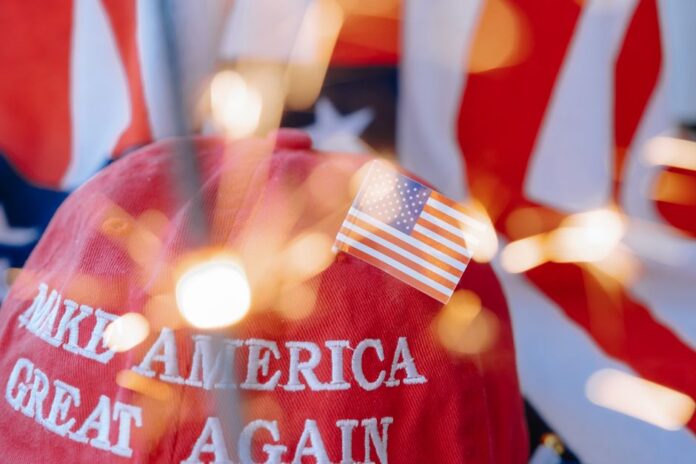
Photo: Polina Zimmerman / Pexels
By The News Beacon Newsroom, Politics Desk — Published October 25, 2026
Table of Contents
- Key Takeaways
- The Background & Context
- Why This Matters
- Reactions & Analysis
- What Happens Next
- Frequently Asked Questions
The political temperature spiked as former President Barack Obama stepped back into the campaign arena, launching pointed criticisms at Donald Trump while rallying support for Democratic candidates in crucial midterm races. Obama’s re-emergence on the campaign trail signals the high stakes Democrats face as they fight to maintain or expand their congressional power. The dueling appearances—Obama stumping for Democrats followed by Trump’s counter-rally in Michigan—underscore the intensely polarized landscape American voters navigate as they prepare to cast ballots that will determine control of Congress and shape the legislative agenda for years to come.
This confrontation between the two presidents represents more than political theater. It reflects a fundamental battle over the direction of American politics, with each leader mobilizing their base and attempting to define the choice before voters. For citizens concerned about healthcare, the economy, immigration, and democratic norms, these campaign rallies offer a preview of the arguments that will dominate the final stretch before Election Day.
The contrast could hardly be starker. Obama, who largely retreated from day-to-day politics after leaving office, has calculated that the moment demands his voice. Trump, never one to cede the spotlight, responded by holding his own rally, ensuring the political conversation remains centered on the clash between these two visions of America’s future.
Key Takeaways
- Former President Barack Obama returned to active campaigning, attacking Trump while supporting Democratic candidates in midterm elections
- Trump responded by holding a campaign rally in Michigan the day after Obama’s Democratic mobilization efforts
- The back-to-back rallies highlight the nationalized nature of midterm elections, with both parties framing the vote as a referendum on competing visions
- Obama’s decision to directly engage Trump marks a departure from the traditional posture of former presidents remaining above the political fray
- The dueling campaign appearances underscore the stakes for both parties as they compete for congressional control
- Voters face a choice that will determine not just legislative majorities but the ability to pass or block major policy initiatives
The Background & Context
Midterm elections historically serve as a referendum on the sitting president’s performance. The party in power typically faces headwinds, as voters often use these contests to express dissatisfaction or seek balance in government. Yet these midterms carry unusual weight, occurring during one of the most turbulent and divisive periods in modern American political history.
Obama’s post-presidency had been marked by relative restraint. Following the tradition of many former presidents, he largely avoided direct confrontation with his successor, focusing instead on his foundation work and selective public appearances. His return to the campaign trail represents a calculated judgment that the current political moment demands his active participation. The decision to attack Trump directly breaks with the more genteel approach former presidents typically adopt, reflecting the intensity of current political divisions.
Trump, meanwhile, has maintained an aggressive campaign schedule despite not being on the ballot himself. His rallies serve multiple purposes: energizing Republican base voters, supporting candidates who embrace his agenda, and maintaining his own political relevance. The Michigan rally, coming just one day after Obama’s Democratic event, demonstrates Trump’s determination to dominate the political conversation and counter any momentum his predecessor might generate.
Congressional control hangs in the balance. Democrats and Republicans both understand that the outcomes will determine everything from committee leadership to investigative powers to the ability to advance or obstruct major legislation. For Trump, maintaining Republican control means protecting his agenda and potentially shielding himself from aggressive congressional oversight. For Democrats, winning majorities would provide a check on presidential power and the ability to pursue their own policy priorities.
Why This Matters
American citizens should pay attention because the results of these midterm elections will directly affect their lives. Control of Congress determines which bills become law, which investigations proceed, and how effectively government addresses pressing challenges facing families and communities.
Healthcare remains a flashpoint. The future of the Affordable Care Act, protections for pre-existing conditions, prescription drug prices, and Medicaid expansion all depend on who controls the legislative agenda. Economic policy—from tax rates to infrastructure investment to labor protections—will be shaped by the election’s outcome. Immigration reform, environmental regulations, and judicial confirmations all hang in the balance.
Beyond specific policies, these elections will test fundamental questions about accountability and democratic norms. Voters will decide whether they want Congress to serve as an independent check on executive power or as a rubber stamp for the president’s agenda. They will signal their views on the tone and conduct of political leadership, the importance of civility and truth-telling, and the role of government in addressing societal challenges.
The nationalization of these races—evidenced by two presidents barnstorming the country—means local concerns risk being overshadowed by broader partisan warfare. Yet this also means voters have an opportunity to send a clear message about the direction they want the country to take. Turnout will be crucial, particularly among younger voters, suburban women, and minority communities whose participation could tip close races.
For taxpayers, the fiscal implications are significant. Different approaches to taxation, spending, and deficit reduction will produce vastly different outcomes for household budgets and national debt. For workers, competing visions on trade, minimum wage, and labor rights could reshape employment conditions. For parents, debates over education funding, student loans, and childcare support will affect family finances and opportunities.
Reactions & Analysis
The deployment of both Obama and Trump to the campaign trail reveals how both parties view the electoral landscape. Democrats clearly believe Obama’s popularity and rhetorical skills can motivate their base and persuade swing voters, particularly in suburban districts where college-educated voters have trended away from Republicans. His willingness to directly criticize Trump gives Democratic candidates permission to make the election about the current president’s conduct and policies rather than just their own platforms.
Republicans, conversely, are betting that Trump’s ability to energize conservative voters—particularly in rural areas and among white working-class voters—will overcome any backlash from moderates. Trump’s Michigan rally demonstrates his continued appeal to his core supporters and his determination to keep them engaged. For Republican candidates in competitive races, the calculation is delicate: they need Trump’s base without alienating swing voters who may be exhausted by constant political combat.
Political analysts note that this dynamic creates challenges for candidates trying to focus on local issues and their own records. When two presidents dominate the conversation, individual candidates can struggle to define themselves independently. This nationalization benefits candidates who align closely with their party’s standard-bearer but complicates life for those seeking to chart a more moderate course.
The media coverage generated by these dueling appearances ensures maximum attention on the races, potentially driving higher turnout. Whether that benefits Democrats or Republicans may vary by district and state, depending on which party’s voters are more motivated and which persuadable voters ultimately decide the contest matters most.
What Happens Next
As Election Day approaches, expect both Obama and Trump to maintain aggressive campaign schedules, crisscrossing the country to rally supporters in competitive districts and states. Their appearances will generate headlines, drive fundraising, and shape the closing arguments both parties make to voters.
The intensity of this proxy battle between the two presidents suggests that neither side expects a landslide. Both are fighting for marginal gains that could determine control of the House and Senate. Close races in swing districts will likely see saturation advertising, intensive get-out-the-vote efforts, and possibly legal challenges to voting procedures or results.
Regardless of the outcome, the aftermath will shape the next two years of American politics. A Democratic takeover of one or both chambers would fundamentally alter the legislative landscape, enabling investigations, blocking Trump’s agenda, and potentially setting up impeachment proceedings. A Republican hold would embolden Trump and allow continued advancement of conservative priorities on judges, regulations, and social policies.
Longer term, these midterms will provide crucial data about the durability of political coalitions and the effectiveness of different campaign strategies. The results will influence how both parties approach the 2020 presidential race and whether the Trump era represents a realignment or an aberration in American politics.
Frequently Asked Questions
Why is Obama campaigning in midterm elections?
Former President Obama has returned to active campaigning because he and Democratic leaders believe his popularity and communication skills can help motivate Democratic voters and persuade swing voters in crucial midterm races. His involvement signals that Democrats view these elections as critically important for checking presidential power and advancing their policy agenda. Obama’s willingness to directly attack Trump also reflects his judgment that the current political moment requires his active engagement rather than the traditional restraint former presidents typically show.
How unusual is it for a former president to attack a sitting president?
It is quite unusual and represents a break from longstanding norms. Former presidents typically avoid directly criticizing their successors, preferring to remain above the political fray and allow current leaders to govern without interference from the past. Obama’s decision to directly attack Trump reflects both the intense polarization of current politics and his apparent belief that Trump’s conduct and policies warrant an exception to this tradition. This departure from presidential courtesy underscores how much the current political environment differs from historical patterns.
What impact do presidential campaign rallies have on midterm elections?
Presidential involvement in midterm campaigns can significantly affect turnout and enthusiasm among base voters, though the impact on persuadable swing voters is less clear. Rallies generate media attention, energize volunteers, and boost fundraising for candidates. However, they can also nationalize races that candidates might prefer to keep focused on local issues. The effectiveness depends on the president’s popularity in specific districts and whether their presence motivates more supporters than it does opposition voters. In closely divided districts, even small shifts in turnout or persuasion can determine outcomes.
Why did Trump hold a rally in Michigan after Obama’s Democratic events?
Trump’s Michigan rally the day after Obama’s Democratic campaigning demonstrates his determination to counter any momentum his predecessor might generate and to dominate the political conversation. Michigan is a crucial swing state that Trump narrowly won in 2016, making it vital political territory for both parties. By responding immediately to Obama’s efforts, Trump signals to his supporters that he remains fully engaged and ensures that media coverage focuses on the contrast between the two presidents rather than solely on Obama’s message. The timing also prevents Democrats from enjoying an uncontested news cycle.
As these midterm elections approach their conclusion, American voters face a choice that extends beyond individual candidates to encompass competing visions of governance, leadership, and national priorities. The involvement of both Obama and Trump ensures maximum attention and turnout, transforming what might have been local contests into a national referendum. The decisions voters make in the coming days will reverberate through the remainder of Trump’s presidency and shape the political landscape for years to come.


