
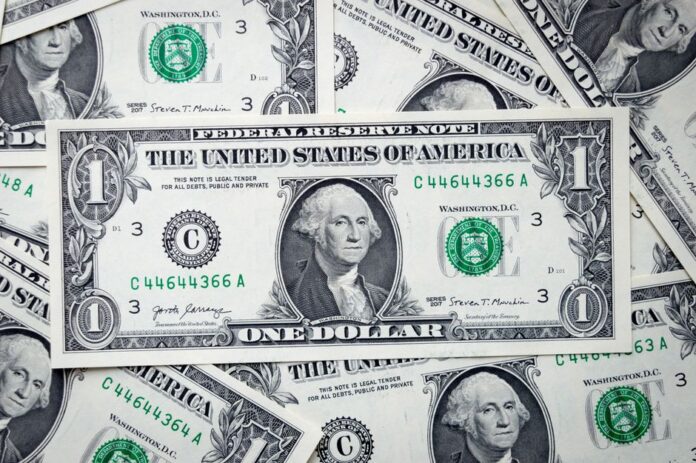
Photo: Lukasz Radziejewski / Pexels
By The News Beacon Newsroom, Economy Desk — Published September 18, 2026
Table of Contents
- Key Takeaways
- The Background & Context
- Why This Matters
- Reactions & Analysis
- What Happens Next
- Frequently Asked Questions
The Federal Reserve hiked interest rates this week in its ongoing battle against inflation, a move that will ripple through every corner of the American economy. From mortgage payments to credit card bills, the central bank’s decision affects millions of households already stretched thin by rising costs. The rate increase marks another chapter in the Fed’s aggressive campaign to cool down an overheating economy without triggering a recession.
This latest hike comes as policymakers weigh stubborn inflation against signs of economic resilience. Jobs remain plentiful, but prices for everyday goods continue to squeeze family budgets. Wall Street watched closely as the Federal Open Market Committee delivered its verdict, knowing that higher borrowing costs could slow business investment and consumer spending alike.
The decision reflects a delicate balancing act. Push too hard, and the economy tips into recession. Pull back too soon, and inflation becomes entrenched for years to come.
Key Takeaways
- The Federal Reserve raised interest rates this week as part of its continued effort to combat persistent inflation in the U.S. economy
- Higher rates will directly impact consumers through increased costs for mortgages, auto loans, credit cards, and other forms of borrowing
- Questions remain about whether rate hikes alone can effectively bring down inflation given current economic conditions
- The move affects both Wall Street markets and Main Street households, with implications for jobs, savings, and investment decisions
- The Fed faces criticism that its monetary policy tools may not address the root causes of current inflationary pressures
- Future rate decisions will depend on incoming economic data about inflation trends and labor market strength
The Background & Context
The Federal Reserve’s rate-hiking campaign began in earnest as inflation surged to levels not seen in four decades. What started as pandemic-related supply chain disruptions evolved into broader price increases across housing, food, energy, and services. The central bank, tasked with maintaining price stability and maximum employment, found itself behind the curve as inflation accelerated faster than expected.
Interest rates serve as the Fed’s primary tool for managing economic growth. When rates rise, borrowing becomes more expensive. Businesses think twice about expansion. Consumers postpone big purchases. Demand cools. Prices, in theory, stabilize or fall.
But the current inflationary environment presents unique challenges. Unlike past episodes driven primarily by excessive demand, today’s price pressures stem from multiple sources. Global supply chains remain tangled. Labor markets show persistent tightness despite some recent softening. Energy markets face geopolitical volatility. Housing costs continue climbing in many metropolitan areas.
The Federal Open Market Committee meets regularly to assess economic conditions and set monetary policy. Each decision involves analyzing mountains of data: employment figures, consumer price indexes, wage growth, business surveys, and financial market indicators. Committee members debate how much economic pain is acceptable to achieve price stability.
Previous rate hikes have already slowed certain sectors. The housing market cooled dramatically as mortgage rates doubled from historic lows. Tech companies announced layoffs. Some retailers reported weakening sales. Yet inflation has proven more stubborn than anticipated, keeping pressure on the Fed to maintain its restrictive stance.
Why This Matters
Every American feels the Fed’s decisions in their wallet. Higher interest rates mean higher monthly payments for anyone carrying credit card debt, which describes roughly half of U.S. households. The average family could pay hundreds more per year in interest charges as rates climb.
Prospective homebuyers face a particularly harsh reality. Mortgage rates have surged, pricing many first-time buyers out of the market entirely. A family that could afford a $400,000 home two years ago might only qualify for $300,000 today, despite potentially higher incomes. The American dream of homeownership slips further from reach for millions.
Small businesses confront difficult choices. Expansion plans get shelved when loans become prohibitively expensive. Equipment upgrades wait. Hiring slows. The entrepreneur who might have taken a chance on a new venture now thinks twice about the cost of capital.
Savers, however, finally see some benefit. After years of near-zero returns, bank accounts and certificates of deposit offer meaningful interest again. Retirees depending on fixed income investments breathe slightly easier. Yet these gains pale compared to the erosion of purchasing power from inflation itself.
The employment picture remains critical. The Fed’s actions aim to slow the economy enough to reduce inflation without triggering mass unemployment. That’s an extraordinarily difficult target to hit. Too much tightening, and layoffs accelerate. Too little, and inflation becomes embedded in expectations, requiring even more painful measures later.
Wall Street’s reaction matters beyond wealthy investors. Retirement accounts for teachers, nurses, and factory workers rise and fall with market sentiment. When the Fed signals aggressive tightening, stock prices often tumble, eroding household wealth. When it hints at pausing, markets rally. Millions of Americans watch their 401(k) balances swing with each Fed announcement.
Reactions & Analysis
Economists remain divided on whether the Fed’s approach will achieve its goals. Some argue that rate hikes work with long lags, and previous increases haven’t fully filtered through the economy yet. Patience, they counsel, will reveal whether the medicine is working.
Others question whether monetary policy can solve problems rooted in supply constraints rather than excess demand. If inflation stems from too few workers, disrupted supply chains, or energy shocks, raising rates might simply cause unnecessary economic pain without addressing root causes. According to this view, the Fed risks engineering a recession without actually taming prices.
Consumer advocates worry about the distributional effects. Higher rates hurt borrowers, who tend to be younger and less wealthy. They help savers, who tend to be older and more affluent. The policy effectively transfers wealth upward while making it harder for working families to get ahead.
Business leaders express mixed feelings. Some welcome the Fed’s inflation-fighting resolve, knowing that runaway prices create chaos for planning and investment. Others fear that overly aggressive tightening will choke off growth just as their companies adapted to post-pandemic conditions.
International observers watch closely because U.S. monetary policy reverberates globally. Higher American interest rates strengthen the dollar, making imports cheaper for U.S. consumers but creating headaches for emerging markets with dollar-denominated debt. Global capital flows shift, affecting everything from commodity prices to currency stability in developing nations.
What Happens Next
The Fed’s path forward remains uncertain. Future rate decisions will depend heavily on incoming data about inflation and employment. If price pressures ease convincingly, the central bank might pause its hiking cycle or even consider cuts. If inflation proves persistent, more increases could follow despite growing economic stress.
Several factors will shape the trajectory. Energy prices remain volatile, capable of swinging inflation readings dramatically. The labor market’s evolution matters enormously; if job growth slows significantly, the Fed may back off. Global economic conditions, particularly in Europe and China, could either amplify or offset domestic trends.
Housing costs deserve special attention. Shelter represents a huge portion of inflation calculations, and rental prices adjust slowly. Even if new leases show moderation, it takes time for that to appear in official statistics. The Fed might need to maintain higher rates longer than markets expect simply because housing inflation lags other categories.
Financial stability concerns loom in the background. Rapid rate increases stress the banking system, as recent regional bank troubles demonstrated. The Fed must balance inflation fighting against preventing financial accidents that could spiral into broader crises.
Political pressure may intensify as the 2024 election approaches. Presidents typically prefer economic tailwinds, not headwinds. Yet the Fed’s independence remains sacrosanct in principle, insulating monetary policy from short-term political calculations. How that independence holds up under sustained criticism will test institutional norms.
Ultimately, the success or failure of this rate-hiking campaign won’t be clear for months or years. Economic policy operates with long and variable lags. The full effects of today’s decisions might not manifest until well into next year, making real-time assessment difficult and controversial.
Frequently Asked Questions
How do Federal Reserve rate hikes affect ordinary consumers?
Rate hikes increase borrowing costs across the board. Credit card interest rates rise, making existing debt more expensive to carry. Mortgage rates climb, reducing home affordability. Auto loans cost more. Even business loans become pricier, potentially affecting hiring and wages. On the positive side, savings accounts and CDs finally offer better returns after years of minimal interest.
Why might rate hikes not bring down inflation effectively?
Traditional rate hikes work by reducing demand in the economy. However, if inflation stems primarily from supply-side problems like supply chain disruptions, labor shortages, or energy shocks, reducing demand doesn’t address the root cause. The Fed essentially makes borrowing expensive to slow spending, but that may not fix underlying production and distribution issues driving prices higher.
What is the Federal Open Market Committee?
The FOMC is the Federal Reserve’s monetary policy-making body. It consists of twelve members including the seven governors of the Federal Reserve Board and five regional Federal Reserve Bank presidents. The committee meets regularly to assess economic conditions and decide on interest rate policy, bank reserve requirements, and other tools to manage the economy.
Could the Fed’s actions trigger a recession?
Yes, that’s the central risk. By making borrowing expensive and slowing economic activity, the Fed hopes to cool inflation without killing growth entirely. But the line between a soft landing and a recession is razor-thin. If rates stay too high for too long, businesses cut jobs, consumers stop spending, and the economy contracts. Balancing inflation control against recession risk represents the Fed’s greatest challenge.
The Federal Reserve’s latest rate hike reflects the difficult choices facing policymakers in an uncertain economic moment. Inflation hurts everyone, but so does recession. The coming months will reveal whether the central bank can thread the needle, bringing prices down without throwing millions out of work. For now, American families will continue feeling the squeeze from both higher costs and higher borrowing rates, waiting to see which breaks first.


