Photo: Benjamin Dominguez / Pexels
By The News Beacon Newsroom, Entertainment Desk — Published September 14, 2026
Table of Contents
- Key Takeaways
- The Background & Context
- Why This Matters
- Reactions & Analysis
- What Happens Next
- Frequently Asked Questions
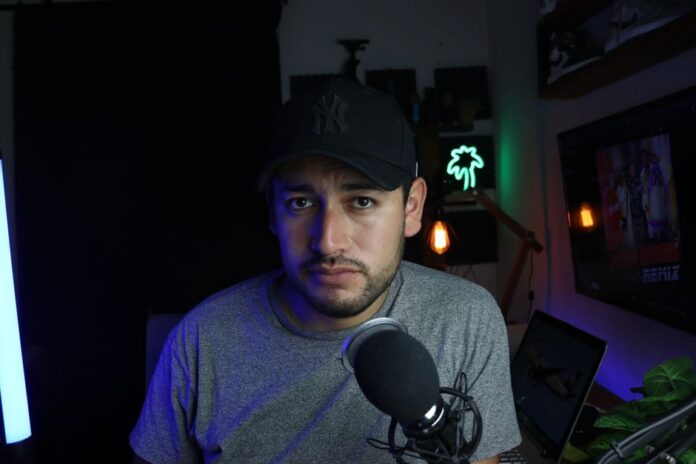
The cultural landscape of American entertainment is shifting beneath our feet. YouTube creators, once dismissed as amateur video-makers in their bedrooms, now command the kind of attention and influence traditionally reserved for Hollywood’s elite. Recent events in New York City and across the entertainment industry signal that the gap between digital creators and traditional celebrities has narrowed to a sliver.
This week, the hottest ticket in Manhattan wasn’t a movie premiere or Broadway opening. It was the launch of a new YouTube show from the creator behind “Subway Takes,” drawing crowds that would make any studio executive envious. The scene underscores how YouTube creators close the distance with established stars in shaping what Americans watch, discuss, and value.
The convergence comes at a moment when streaming platforms blur the lines between traditional TV, movies, and digital content. Pop culture no longer flows in one direction from Hollywood studios to passive audiences. Instead, it’s a conversation—and YouTube creators are speaking just as loudly as anyone with a star on the Walk of Fame.
Key Takeaways
- YouTube creators are achieving cultural influence comparable to traditional Hollywood celebrities, marking a fundamental shift in American entertainment.
- High-profile events in New York City, including a premiere for a “Subway Takes” creator’s new show, demonstrate the mainstream appeal of digital content producers.
- The entertainment industry is experiencing a convergence where streaming, traditional media, and YouTube content compete on equal footing for audience attention.
- Latin trailblazers, including established stars like Selena Gomez and Pedro Pascal, continue breaking barriers across all entertainment platforms during a turbulent cultural moment.
- The transformation reflects broader changes in how Americans consume media, with digital-first creators no longer viewed as secondary to traditional celebrities.
The Background & Context
A decade ago, the divide between YouTube and Hollywood seemed unbridgeable. Television networks and movie studios controlled distribution. Celebrities were manufactured through carefully managed publicity machines. YouTube was where people watched cat videos and amateur vlogs.
That world is gone. The rise of smartphones put production tools in everyone’s pocket. Algorithms replaced network programmers as gatekeepers. Most significantly, audiences—especially younger Americans—stopped distinguishing between “real” entertainment and “online” content. A video is a video, whether it cost $200 million or was shot in a Brooklyn apartment.
The pandemic accelerated these trends. With theaters closed and production halted, even traditional celebrities turned to social media and streaming platforms. The barrier between Hollywood and digital creators dissolved further. Established actors launched YouTube channels. YouTubers landed Netflix deals. The ecosystem merged.
Today’s entertainment landscape is unrecognizable from even five years ago. Streaming services compete with YouTube for viewership. Traditional celebrities court social media followings with the same intensity they once pursued magazine covers. And creators who built their audiences one subscriber at a time now fill venues and generate cultural moments that rival anything Hollywood produces.
The “Subway Takes” phenomenon exemplifies this evolution. What began as street interviews on New York’s transit system evolved into a cultural touchstone, demonstrating how authentic, unscripted content can resonate more powerfully than polished studio productions. The creator’s ability to draw New York’s social elite to a premiere signals that digital content has achieved parity with traditional entertainment.
Why This Matters
For American audiences, this shift represents a democratization of influence and opportunity. The entertainment industry, long criticized for its insularity and gatekeeping, faces genuine competition from creators who bypassed traditional channels entirely. That competition benefits consumers through more diverse voices, perspectives, and content.
The economic implications are substantial. YouTube’s creator economy generates billions in revenue and supports countless jobs—from editors to managers to production crews. As creators achieve celebrity status, they’re building business empires that rival traditional entertainment companies. This represents a redistribution of cultural and economic power away from legacy institutions.
For young Americans, the message is clear: you don’t need a studio’s blessing to reach millions. The path to influence runs through creativity, authenticity, and direct audience connection. This reshapes career aspirations and cultural production in ways we’re only beginning to understand.
The transformation also affects how brands market products, how political campaigns reach voters, and how social movements spread. When YouTube creators command audiences comparable to network television shows, they become essential players in every conversation about American culture and commerce.
Traditional entertainment isn’t disappearing, but it’s adapting. Studios now scout YouTube for talent. Streaming services license creator content. The industry recognizes that fighting the tide is futile; the smart play is riding it. This benefits audiences by blending the production values of Hollywood with the authenticity and innovation of digital creators.
Reactions & Analysis
The entertainment industry’s response has been mixed. Some traditional players embrace the change, recognizing that creator partnerships offer access to engaged, loyal audiences. Others resist, viewing YouTube as a threat to established business models and cultural hierarchies.
Reports indicate that New York’s cultural scene has fully embraced digital creators. The turnout for the “Subway Takes” premiere—described as the week’s hottest party—demonstrates that social gatekeepers no longer distinguish between traditional and digital celebrities. If an event draws crowds and generates buzz, the platform matters less than the pull.
Meanwhile, the entertainment industry continues celebrating diverse voices across all platforms. Recognition of Latin trailblazers like Selena Gomez and Pedro Pascal highlights how barriers are breaking down not just between platforms but across cultural boundaries. These established stars navigate both traditional Hollywood and digital platforms with equal facility, embodying the convergence.
Industry analysts note that this moment represents more than a passing trend. The infrastructure supporting creators—from multi-channel networks to sophisticated analytics tools—has matured. Creators can now produce content with production values approaching traditional media while maintaining the authentic voice that built their audiences.
For audiences, the reaction has been enthusiastic. Viewers appreciate the variety and authenticity that creators bring. Unlike traditional celebrities, many creators interact directly with their communities, fostering relationships that feel personal rather than transactional. This connection translates into loyalty that studios struggle to replicate.
What Happens Next
The convergence between YouTube creators and traditional celebrities will likely accelerate. As older generations who grew up with network television age out of key demographics, the distinction between platforms will become meaningless. Content will be judged on merit, not origin.
Expect more crossover. Traditional celebrities will continue building digital presences. Creators will land movie roles, television shows, and endorsement deals once reserved for Hollywood royalty. The two worlds will become one, with talent moving fluidly between platforms based on creative opportunities rather than industry silos.
The economic implications will reshape entertainment’s power structures. As creators capture larger audience shares, advertising and sponsorship dollars will follow. Traditional media companies will need to offer compelling reasons for talent to work within their systems rather than building independent empires.
Technology will play a crucial role. Improved production tools make high-quality content creation accessible to anyone. Artificial intelligence may further democratize production, allowing small teams to achieve results once requiring studio resources. These developments favor independent creators over legacy institutions.
The cultural impact may be most significant. When anyone can become a celebrity, the concept of celebrity itself changes. Fame becomes less about institutional blessing and more about genuine connection with audiences. That shift could produce a more diverse, dynamic, and democratic cultural landscape—or fragment audiences into isolated communities. Probably both.
Frequently Asked Questions
How have YouTube creators achieved cultural influence comparable to Hollywood celebrities?
YouTube creators have built direct relationships with massive, engaged audiences through consistent, authentic content. Unlike traditional celebrities who depend on studios and networks, creators control their distribution and communicate directly with fans. This connection, combined with sophisticated production capabilities and the rise of streaming platforms that blur traditional boundaries, has elevated creators to celebrity status. High-profile events like the recent “Subway Takes” premiere in New York City demonstrate that cultural gatekeepers now treat digital creators as equals to traditional entertainment figures.
What does this shift mean for traditional Hollywood studios and networks?
Traditional entertainment companies face both challenges and opportunities. They must compete for audience attention with creators who operate more nimbly and connect more authentically with viewers. However, smart studios are partnering with creators, licensing their content, and adapting their business models. The shift forces traditional media to become more innovative and responsive to audience preferences, ultimately benefiting consumers through greater variety and competition in entertainment options.
Why do younger audiences prefer YouTube creators over traditional celebrities?
Younger Americans value authenticity and direct connection over polished, managed celebrity personas. YouTube creators typically interact with their audiences, respond to comments, and create content based on community feedback. This relationship feels personal rather than transactional. Additionally, creators often emerge from the same communities as their viewers, making their success feel more attainable and relatable than traditional Hollywood stardom. The content itself tends to be more diverse, niche, and responsive to audience interests than network programming.
Will traditional movies and television disappear as YouTube creators gain influence?
Traditional entertainment formats won’t disappear but will continue evolving and blending with digital content. High-budget productions offer spectacle and production values that individual creators can’t match. However, the distinction between “traditional” and “digital” content is already fading. Expect a future where talent moves fluidly between platforms, where streaming services host both studio productions and creator content, and where audiences judge entertainment on quality rather than origin. The industry is converging rather than replacing one format with another.
The gap between YouTube creators and Hollywood celebrities has narrowed to the point of irrelevance. What matters now is the ability to capture attention, build community, and create content that resonates. Whether that happens in a studio or a spare bedroom is increasingly beside the point. American entertainment is being rebuilt from the ground up, one subscriber at a time.


