
⏱️ 6 min read
Did You Know? 9 Facts About World Refugee Resettlement
Refugee resettlement represents one of the most critical humanitarian efforts in our modern world, offering hope and new beginnings to millions displaced by conflict, persecution, and violence. While the global refugee crisis frequently makes headlines, many aspects of the resettlement process remain unknown to the general public. Understanding these facts helps illuminate both the challenges refugees face and the collaborative international efforts required to address this ongoing humanitarian concern. Here are nine essential facts about world refugee resettlement that shed light on this complex and vital global initiative.
1. Only a Small Fraction of Refugees Are Resettled
Of the more than 30 million refugees worldwide, less than one percent are ever resettled to a third country. According to the United Nations High Commissioner for Refugees (UNHCR), resettlement is reserved for the most vulnerable cases where refugees cannot safely return home or integrate into the country where they initially sought asylum. In 2022, only about 114,000 refugees were resettled globally, highlighting the highly selective nature of this durable solution. This stark reality underscores that resettlement, while life-saving for those who receive it, addresses only a fraction of the global refugee population.
2. The Resettlement Process Can Take Years
Many people assume refugee resettlement happens quickly, but the reality is far different. The average refugee waits between three to five years, though some cases extend much longer. The process involves multiple stages of security screenings, medical examinations, background checks, and interviews with various international agencies. Refugees must be referred by UNHCR, undergo extensive vetting by receiving countries, and complete cultural orientation programs before departure. This lengthy timeline reflects the thorough nature of security protocols while simultaneously creating prolonged uncertainty for families seeking safety.
3. The United States Has Historically Been the Largest Resettlement Country
For decades, the United States has led the world in refugee resettlement, accepting more refugees than all other resettlement countries combined during many years. However, this leadership has fluctuated significantly based on changing political administrations and policies. From accepting over 200,000 refugees annually in the 1980s to dropping below 12,000 in 2020, U.S. resettlement numbers have varied dramatically. Other major resettlement countries include Canada, Australia, the United Kingdom, and several European nations, though their combined totals often remain below historical U.S. levels.
4. Refugees Cannot Choose Their Resettlement Country
Contrary to popular misconception, refugees have no control over where they are resettled. UNHCR determines which refugees are eligible for resettlement based on vulnerability criteria, then refers them to countries that have agreed to accept refugees. Each resettlement country has its own selection criteria and quotas, making final placements. Factors including family connections, language skills, and medical needs may influence placement decisions, but refugees themselves cannot select their destination country or city, making the process one of accepting offered safety rather than choosing preferred locations.
5. Most Refugees Remain in Neighboring Countries
Approximately 73 percent of refugees are hosted by countries neighboring their countries of origin. Low and middle-income countries host the vast majority of the world’s displaced populations. Turkey, Pakistan, Uganda, and Germany are among the largest refugee-hosting nations. This geographical pattern reflects both the immediate nature of displacement, where people flee to the nearest safe location, and the limited availability of resettlement opportunities. These hosting countries often face significant economic and social challenges in supporting large refugee populations with limited international assistance.
6. Refugee Resettlement Involves Extensive Community Support
Successful refugee resettlement relies heavily on community-based organizations, faith groups, and volunteer networks. In most resettlement countries, specialized agencies partner with local communities to provide initial support including housing, employment assistance, language training, and cultural orientation. These grassroots efforts are essential for helping refugees navigate unfamiliar systems, access essential services, and begin rebuilding their lives. The involvement of ordinary citizens through volunteer programs, mentorship, and community sponsorship initiatives demonstrates that resettlement is a collective effort extending far beyond government programs.
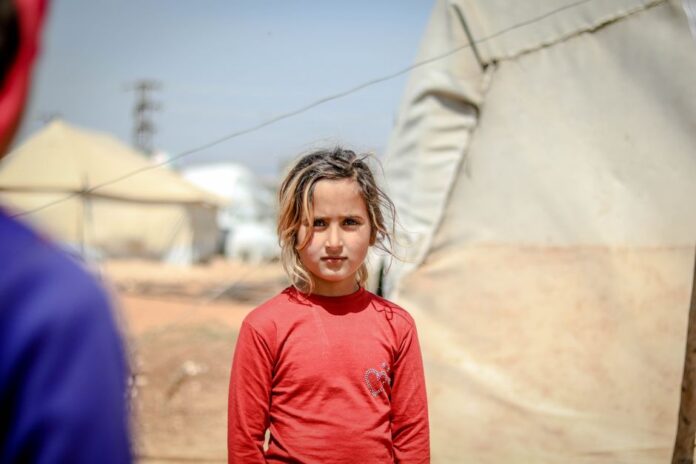
7. Children Comprise Half of the Refugee Population
Children under 18 years old represent approximately half of all forcibly displaced people worldwide. This demographic reality presents unique challenges and priorities for resettlement programs, including ensuring access to education, addressing trauma and mental health needs, and keeping families together. Many refugee children have spent years in displacement, missing critical educational opportunities and experiencing prolonged instability during formative developmental periods. Resettlement programs increasingly focus on child-specific needs, recognizing that supporting refugee children represents an investment in both individual futures and broader community integration.
8. Refugees Undergo More Security Screening Than Any Other Entrants
The security vetting process for refugees is among the most rigorous of any category of international migrants. Refugees face biometric screening, multiple security database checks by various government agencies, in-person interviews, medical examinations, and verification of biographical information. In the United States, for example, refugees undergo screening by the National Counterterrorism Center, FBI, Department of Homeland Security, State Department, and Department of Defense, among others. This multi-layered process, while contributing to lengthy waiting periods, reflects the serious security considerations that resettlement countries undertake.
9. Refugees Contribute Economically to Their New Communities
Research consistently demonstrates that resettled refugees make positive economic contributions to their host countries over time. Studies have shown that refugees start businesses at higher rates than native-born populations, contribute to tax revenues, fill labor shortages in critical sectors, and revitalize declining communities. While initial resettlement requires investment in support services, longitudinal studies indicate that refugees become net contributors to their adopted countries’ economies. Their diverse skills, entrepreneurial spirit, and determination to rebuild their lives generate economic benefits that extend throughout entire communities.
Conclusion
These nine facts about world refugee resettlement reveal a complex system designed to protect the world’s most vulnerable people while addressing legitimate security and integration concerns. From the sobering reality that less than one percent of refugees are ever resettled to the inspiring economic contributions refugees make to their new communities, understanding these aspects of resettlement helps contextualize ongoing policy debates and humanitarian challenges. As global displacement continues to affect millions, refugee resettlement remains a critical component of international humanitarian response, requiring sustained commitment from governments, organizations, and communities worldwide. By recognizing both the limitations and possibilities of resettlement, societies can better support those who have been forced to flee their homes and begin anew.


