
⏱️ 6 min read
Did You Know? 10 Facts About International Peacekeeping
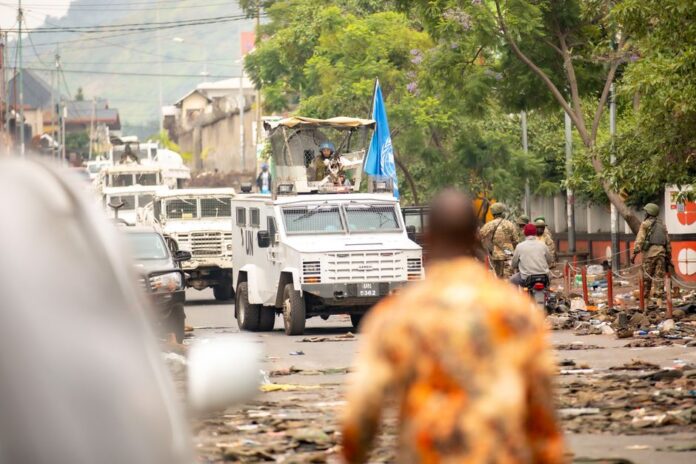
International peacekeeping has become one of the most visible symbols of global cooperation and conflict resolution in the modern era. Since the establishment of the United Nations, peacekeeping missions have evolved from simple observer roles to complex multidimensional operations involving military personnel, police, and civilian experts from around the world. These missions work tirelessly in some of the world’s most challenging environments to maintain peace, protect civilians, and help war-torn societies transition toward stability. Here are ten fascinating facts about international peacekeeping that highlight the scope, challenges, and achievements of these vital operations.
1. The First UN Peacekeeping Mission Was Established in 1948
The United Nations Truce Supervision Organization (UNTSO) was created in May 1948, making it the first-ever UN peacekeeping mission. Established to monitor the ceasefire between Israel and its Arab neighbors following the 1948 Arab-Israeli War, UNTSO remains operational to this day, making it the longest-running peacekeeping mission in history. This pioneering operation set the foundation for the peacekeeping principles and practices that would be developed and refined over the following decades.
2. More Than 120 Countries Contribute to UN Peacekeeping
International peacekeeping truly lives up to its name, with contributions from more than 120 countries worldwide. This diverse participation demonstrates the global commitment to maintaining international peace and security. Interestingly, some of the largest contributors are not the world’s wealthiest nations but developing countries. As of recent data, Bangladesh, Nepal, India, Rwanda, and Ethiopia are among the top troop-contributing countries, providing thousands of military and police personnel to various missions around the globe.
3. Over One Million Personnel Have Served in Peacekeeping Missions
Since the inception of UN peacekeeping, more than one million military, police, and civilian personnel have served in peacekeeping operations worldwide. These individuals come from diverse backgrounds and possess various skills, from military expertise to medical training, engineering capabilities, and human rights knowledge. Their collective efforts have helped stabilize conflict zones, protect vulnerable populations, and create conditions necessary for lasting peace in numerous countries.
4. Peacekeepers Have Won the Nobel Peace Prize
In recognition of their invaluable contribution to global peace and security, UN Peacekeepers were awarded the Nobel Peace Prize in 1988. The Norwegian Nobel Committee honored the peacekeeping forces for their efforts in reducing tensions internationally and noted that the peacekeeping operations represented the manifest will of the international community to achieve peace through negotiation and cooperation. This prestigious recognition highlighted the critical role that peacekeepers play in conflict resolution and the maintenance of international stability.
5. Nearly 4,000 Peacekeepers Have Made the Ultimate Sacrifice
Peacekeeping is dangerous work, and since 1948, nearly 4,000 peacekeepers have lost their lives while serving in UN missions. These casualties include deaths from hostile acts, accidents, and illness. The International Day of United Nations Peacekeepers, observed annually on May 29th, honors these fallen heroes and recognizes the sacrifice made by all those who have served or continue to serve in peacekeeping operations. Each peacekeeper who has died represents a profound loss to their families, communities, and countries.
6. Women Represent a Growing Force in Peacekeeping
Although historically male-dominated, peacekeeping missions have seen a significant increase in female participation in recent years. Women now serve in various capacities, including as military officers, police personnel, and civilian experts. Research has shown that the presence of female peacekeepers can enhance mission effectiveness, particularly in engaging with local women and children, addressing gender-based violence, and improving community relations. The UN has set ambitious targets to increase female participation, recognizing that gender-balanced peacekeeping forces better reflect and serve the communities they protect.
7. Peacekeeping Operates on a Modest Budget
Despite the complexity and global scope of peacekeeping operations, the annual budget for all UN peacekeeping missions combined is relatively modest. The approved budget for peacekeeping operations is approximately 6.5 billion dollars annually, which represents less than 0.5% of world military expenditures. This cost-effectiveness makes peacekeeping one of the most economical tools available to the international community for conflict prevention and resolution, especially when compared to the astronomical costs of warfare and post-conflict reconstruction.
8. Peacekeeping Missions Extend Beyond Military Operations
Modern peacekeeping missions are multidimensional operations that go far beyond traditional military activities. Today’s peacekeepers help organize elections, support the rule of law, protect human rights, facilitate humanitarian assistance, support the disarmament and reintegration of former combatants, and assist in rebuilding essential infrastructure. This comprehensive approach, known as integrated peacekeeping, addresses the root causes of conflict and helps create sustainable peace by supporting political, social, and economic development in post-conflict societies.
9. The “Blue Helmets” Identity Has Global Recognition
UN peacekeepers are commonly known as “Blue Helmets” due to their distinctive light blue headgear, which has become a globally recognized symbol of peace and protection. This iconic uniform element was introduced in the 1940s to make peacekeepers easily identifiable and distinguish them from combatants. The blue color was chosen to represent the United Nations and to symbolize peace. Today, the sight of blue helmets offers hope to millions of people living in conflict zones, representing the international community’s commitment to their safety and well-being.
10. Climate Change Is Creating New Peacekeeping Challenges
An emerging reality facing international peacekeeping is the security impact of climate change. Environmental degradation, resource scarcity, and climate-related disasters are increasingly contributing to conflict and instability in vulnerable regions. Peacekeeping missions are now confronting situations where competition for water, land, and other resources exacerbates existing tensions. The UN Security Council has recognized climate change as a threat multiplier, and peacekeeping operations are adapting their strategies to address these environmental dimensions of conflict, representing a significant evolution in peacekeeping doctrine.
Conclusion
International peacekeeping represents one of humanity’s most ambitious and noble endeavors, bringing together diverse nations and individuals in the pursuit of peace and security. From the establishment of the first mission in 1948 to today’s complex multidimensional operations, peacekeeping has evolved to meet changing global challenges. These ten facts illustrate the scale, sacrifice, and significance of peacekeeping efforts worldwide. As conflicts continue to evolve and new challenges emerge, including climate change and transnational threats, the role of international peacekeeping remains as vital as ever. The dedication of over one million individuals who have served, including those who made the ultimate sacrifice, demonstrates the enduring commitment to creating a more peaceful world. Understanding these facts helps us appreciate the complexity, importance, and ongoing relevance of international peacekeeping in our interconnected world.


