
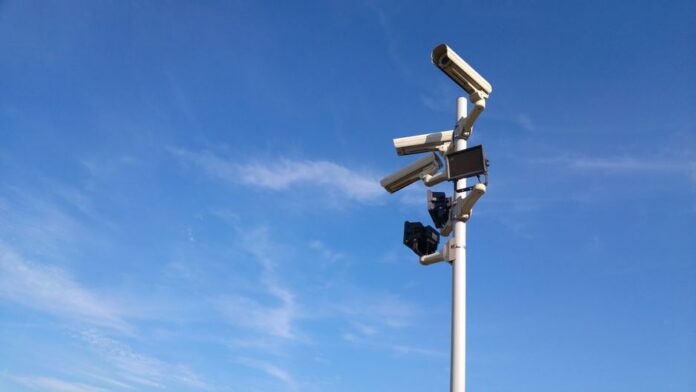
A newly released map exposes the locations of more than 117,000 surveillance cameras across the United States, raising serious questions about privacy rights and government monitoring of American citizens in their own communities.
Surveillance Network Spans the Nation
The comprehensive mapping project documents an extensive network of cameras monitoring public spaces throughout America. The data reveals surveillance equipment deployed in cities, suburbs, and towns nationwide, creating what privacy advocates describe as an unprecedented level of monitoring capability. The sheer scope of the camera network has caught many Americans by surprise, with residents discovering multiple devices tracking activity in their own neighborhoods without their explicit knowledge or consent.
The map provides detailed information about camera placements, allowing citizens to see exactly where monitoring occurs in their communities. This transparency has sparked debate about the balance between public safety measures and constitutional protections against unreasonable surveillance.
Privacy Concerns Mount
Constitutional scholars and privacy rights organizations have expressed alarm at the scale of surveillance infrastructure now operating across American communities. The Fourth Amendment protects citizens against unreasonable searches, yet many question whether such extensive monitoring complies with these constitutional safeguards. Critics argue that widespread camera deployment creates a surveillance state incompatible with American principles of liberty and limited government. Defenders counter that cameras help law enforcement prevent and solve crimes, enhancing public safety without violating rights.
The debate intensifies as facial recognition technology and artificial intelligence capabilities advance, potentially enabling authorities to track individuals across multiple locations automatically. Such technological capabilities amplify concerns about government overreach and the erosion of personal privacy rights guaranteed by the Constitution.
What This Means for Americans
The revelation forces Americans to confront uncomfortable questions about security versus freedom. Citizens must now weigh whether enhanced surveillance genuinely improves safety or simply creates opportunities for government monitoring of lawful activity. The map empowers residents to make informed decisions about their privacy, understanding where they face observation in public spaces. As surveillance technology continues expanding, the debate over its appropriate use in a free society grows more urgent, requiring thoughtful consideration of constitutional principles alongside legitimate security needs.


