
Telemedicine Services Explained: How Virtual Care Works
By Newsroom, Health Desk — Published July 30, 2026
Table of Contents
- How Telemedicine Services Explained: The Basic Models
- The Technology Behind Virtual Visits
- What Telemedicine Can and Cannot Do
- Insurance Coverage and Cost Considerations
- Quality and Patient Outcomes
- Frequently Asked Questions
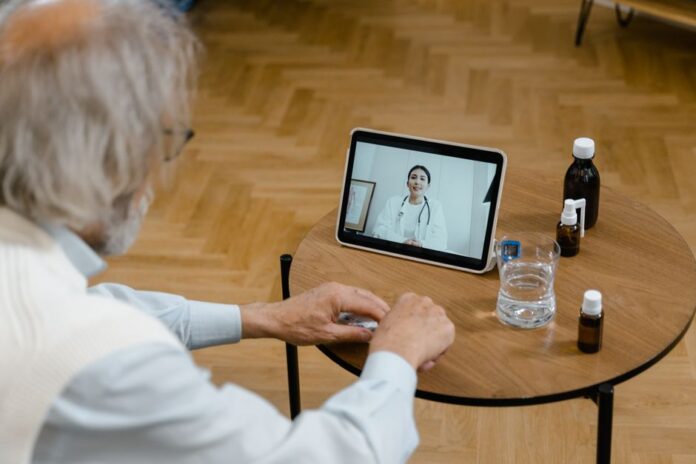
Telemedicine services explained in simplest terms: it’s medical care delivered through digital technology rather than in person. What once seemed like science fiction has become an everyday option for millions seeking healthcare. A patient in rural Montana can consult a dermatologist in Boston. A parent with a feverish child at midnight can speak with a pediatrician from the kitchen table. The technology connecting them—video calls, secure messaging, remote monitoring devices—has transformed how healthcare providers deliver care and how patients receive it.
Virtual care isn’t a single service but a collection of approaches that use telecommunications technology to bridge the distance between patient and provider. Understanding how these services work, what they can and cannot do, and how they fit into the broader healthcare system helps patients make informed decisions about their medical treatment options.
How Telemedicine Services Explained: The Basic Models
Three primary models define most telemedicine encounters. Real-time interactive services use live video conferencing, allowing patients and healthcare providers to see and speak with each other as they would in a traditional office visit. This works well for follow-up appointments, medication management, and many mental health sessions.
Store-and-forward telemedicine involves collecting medical data—images, test results, patient histories—and transmitting them to a specialist who reviews the information later. Dermatology often uses this approach. A primary care physician photographs a suspicious mole, sends it to a dermatologist, and receives a diagnosis and treatment plan within days. No real-time interaction required.
Remote patient monitoring represents the third model. Devices track vital signs, blood sugar levels, or heart rhythms and transmit data to healthcare teams. This approach has proven particularly valuable for chronic disease management, allowing providers to spot troubling trends before they become emergencies. A patient with congestive heart failure might step on a connected scale each morning; sudden weight gain could signal fluid retention, prompting early intervention.
The Technology Behind Virtual Visits
Most telemedicine platforms require surprisingly modest technology. A smartphone, tablet, or computer with a camera and microphone handles the basics. Internet connection matters more than device sophistication. Secure, HIPAA-compliant platforms protect patient privacy through encryption and controlled access.
Healthcare providers typically use specialized software that integrates with electronic health records. During a video visit, a physician can review lab results, update prescriptions, and document the encounter—all within the same system used for in-person care. This integration means telemedicine visits become part of a patient’s permanent medical record, ensuring continuity of care.
Peripheral devices expand what’s possible remotely. Digital stethoscopes transmit heart and lung sounds. Otoscopes let providers examine ears through a camera. Blood pressure cuffs, pulse oximeters, and thermometers can feed data directly into the consultation. Some health insurance coverage now includes these devices for patients managing chronic conditions.
What Telemedicine Can and Cannot Do
Virtual care excels at certain tasks while falling short on others. Mental health and wellness services have flourished through telemedicine. Therapy and counseling sessions often work as well remotely as face-to-face. Psychiatrists can evaluate symptoms, adjust medications, and provide crisis intervention through video platforms.
Chronic disease management benefits enormously from virtual care’s convenience and consistency. Diabetes patients can share glucose logs and receive dosing adjustments. People with high blood pressure can report home readings and discuss lifestyle modifications. The reduced friction—no commute, no waiting room—often means patients engage more consistently with their care.
Disease prevention and wellness programs have found new reach through telemedicine. Nutrition counseling, smoking cessation support, and weight management coaching translate well to virtual formats. Preventive care and screening discussions can happen during video visits, with providers ordering necessary tests at local facilities.
But telemedicine has clear limits. Physical examinations requiring touch cannot happen remotely. A provider cannot palpate an abdomen, feel for lumps, or assess joint mobility through a screen. Procedures—from stitching wounds to administering injections—require in-person care. Emergency situations need immediate physical intervention that virtual visits cannot provide.
Insurance Coverage and Cost Considerations
Health insurance coverage for telemedicine has expanded dramatically, though variations persist. Most private insurers now cover virtual visits at parity with in-person care for many services. Medicare expanded telehealth coverage significantly, though some provisions remain tied to specific circumstances or geographic areas.
Costs for patients often run lower than traditional visits. Copays may be reduced or waived. Time costs disappear—no travel, no parking fees, no lost work hours. Some direct-to-consumer telemedicine services charge flat fees for urgent care consultations, typically less than emergency room copays for minor issues.
Healthcare providers face different economics. Virtual visits can increase efficiency, allowing more patients to be seen in a day. But reimbursement rates, technology costs, and licensing requirements across state lines create complexity. Some practices have found telemedicine reduces no-show rates, improving revenue predictability.
Quality and Patient Outcomes
Research into telemedicine’s effectiveness continues to grow. Studies have found comparable patient outcomes for many conditions when comparing virtual and in-person care. Mental health treatment shows particularly strong results. Chronic disease management often improves because consistent virtual check-ins catch problems earlier than quarterly office visits might.
Clinical trials examining telemedicine interventions have proliferated. Researchers study everything from stroke diagnosis via video to postoperative monitoring through smartphone apps. Pharmaceutical developments increasingly consider how medications can be managed remotely, with some drug trials incorporating telemedicine follow-ups.
Patient satisfaction tends to run high for appropriate uses of telemedicine. Convenience drives much of this approval, but many patients also report feeling they receive more focused attention during scheduled video visits than in rushed office appointments. The technology creates a different dynamic—more eye contact through the camera, fewer interruptions, a conversation rather than an examination.
Quality concerns do exist. Misdiagnosis risks increase when providers cannot physically examine patients. Some conditions present subtle physical signs that video cannot capture. The digital divide means patients without reliable internet access or technological literacy may receive lower quality care or be excluded entirely from virtual options.
Frequently Asked Questions
Can I get prescriptions through telemedicine visits?
Yes, healthcare providers can prescribe most medications during telemedicine visits just as they would in person. However, controlled substances face stricter regulations. Some states and circumstances allow controlled substance prescriptions via telemedicine, but many require at least one in-person visit first. Providers will explain what they can prescribe during your virtual visit and may refer you for in-person care if needed for certain medications.
Is telemedicine as private as an in-person doctor visit?
Properly conducted telemedicine should be just as private. Healthcare providers must use HIPAA-compliant platforms with encryption and security protections. However, patients share responsibility for privacy. Taking a video call in a public place or on unsecured Wi-Fi creates risks. Choose a private location and a secure internet connection for virtual visits. Providers cannot guarantee the privacy of communications through regular email or non-medical video platforms.
What happens if my doctor determines I need in-person care during a virtual visit?
Providers will explain why physical examination or in-person procedures are necessary and help arrange appropriate follow-up. This might mean scheduling an office visit, directing you to a lab for tests, or in urgent situations, recommending you go to an urgent care facility or emergency room. The telemedicine visit is not wasted—the provider has gathered history, formed initial impressions, and can communicate with whoever sees you next, ensuring continuity of care.
Can I use telemedicine if I live in a different state than my doctor?
This depends on medical licensing laws. Physicians must be licensed in the state where the patient is physically located during the telemedicine visit, not where the doctor sits. Some doctors hold licenses in multiple states. Interstate compacts have made it easier for physicians to obtain licenses across state lines, but restrictions still exist. Before scheduling a telemedicine appointment, confirm your provider is licensed to treat patients in your state.
Virtual care has moved from novelty to necessity for many patients and healthcare systems. It works best not as a replacement for all in-person care but as one tool among many, chosen based on the situation. As technology improves and healthcare providers gain experience with remote care delivery, the boundaries of what’s possible will continue to expand. For now, telemedicine offers genuine value for those who understand both its capabilities and its limits.


