
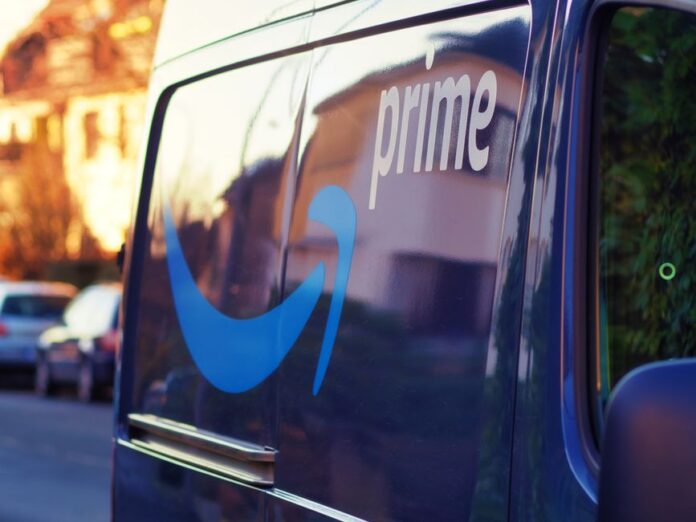
Amazon delivery drivers are raising concerns about a software update to their electric vans that they say shuts off air conditioning during deliveries, leaving them to return repeatedly to overheated cabins as summer temperatures climb across the nation.
The Driver Complaint
Workers operating Amazon’s custom Rivian electric delivery vans report that a recent software change altered how the vehicle’s climate control functions during routine stops. According to posts shared in driver forums and reported by 404 Media, the air conditioning stops cooling approximately 30 seconds after the driver leaves the seat if the sliding door remains open. One driver stated the change means workers are out of their seats far longer than they spend driving, so the AC turns off and fails to cool the cabin adequately before they must exit again for the next delivery.
The issue affects neighborhood routes where drivers typically leave sliding doors open while moving quickly between nearby homes. This common practice, intended to speed delivery times, now triggers the automatic shutoff feature. Drivers say this creates a cycle where they repeatedly enter an increasingly hot vehicle throughout their shift, turning a comfort feature into a potential safety hazard during extreme weather conditions.
Amazon’s Response
Amazon disputed the characterization of the update as harmful to driver comfort. A company spokesperson explained that Rivian released the software specifically to extend climate control for drivers. According to Amazon, the air conditioning now runs up to 10 minutes after a driver exits the vehicle, with the timer resetting at every stop. The AC only disables when the sliding door stays open longer than 30 seconds, which the company describes as a battery conservation measure necessary for the electric vehicles.
The spokesperson emphasized that Amazon intentionally scheduled this update before summer to improve driver comfort during the hottest months. The company maintains that driver safety and comfort in extreme temperatures remains a priority, noting that the vans include air conditioning and cooling seats as standard features.
Workplace Safety Context
Heat protection for delivery workers has emerged as a significant labor issue across the industry. Drivers have consistently reported that real-world working conditions do not always match company statements about temperature safeguards, particularly in older fleet vehicles with weak or unreliable cooling systems. The disconnect between Amazon’s stated improvements and driver experiences on summer routes highlights ongoing tensions about workplace conditions in the rapidly expanding delivery sector, where workers face increasing pressure to complete routes quickly regardless of weather extremes.


