
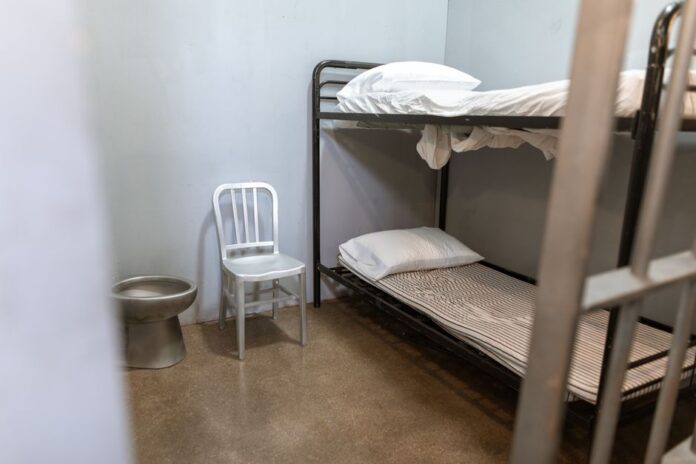
Staff members at Wyoming Boys’ School have testified that the facility systematically falsified records to hide the true extent of force used against juveniles in its care, according to court documents that include disturbing photographs of boys in solitary confinement and restrained in chairs with hoods over their heads.
Allegations of Record Tampering
The testimony reveals a pattern of document manipulation designed to downplay incidents involving physical restraints and isolation at the state-run juvenile facility. Court filings contain photographic evidence showing youth offenders subjected to controversial containment methods, including extended periods alone in bare cells and mechanical restraint chairs typically reserved for extreme circumstances. The allegations raise serious questions about oversight and accountability at the Worland-based institution charged with rehabilitating young offenders.
Dale Weber served as superintendent of Wyoming Boys’ School during the period under investigation, having assumed leadership in January 2022. The facility houses juveniles adjudicated through Wyoming’s court system, providing educational services and behavioral programming intended to prepare residents for successful reintegration into their communities. Staff members who came forward described pressure to minimize documentation of force incidents in official reports.
Constitutional and Safety Concerns
The use of isolation and mechanical restraints on minors raises constitutional questions about cruel and unusual punishment, particularly when applied to juveniles in state custody. These practices carry documented risks including psychological trauma, physical injury, and developmental harm to adolescents whose brains are still maturing. Proper documentation serves as a critical safeguard, allowing external oversight bodies to monitor conditions and ensure treatment aligns with established standards for juvenile justice.
Wyoming operates under a statutory framework requiring juvenile facilities to maintain detailed incident reports. Accurate recordkeeping protects both residents and staff by creating transparent accountability chains. When administrators manipulate these records, they undermine the system designed to prevent abuse while shielding the institution from legitimate scrutiny.
Implications for Juvenile Justice Reform
This case highlights ongoing tensions between public safety, rehabilitation, and constitutional protections within America’s juvenile justice system. Taxpayers fund these facilities expecting both security and humane treatment that respects the dignity of young people who retain rights even while serving sentences. The allegations prompt difficult questions about state responsibility when institutions entrusted with vulnerable populations potentially breach that public trust through systematic deception about their practices and conditions.


